Table of Contents
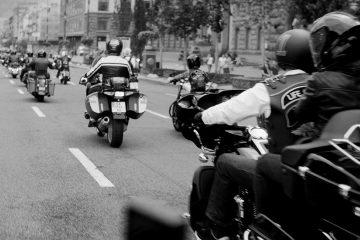
Motorcycle group riding is a thrilling experience. For many enthusiasts, it is one of the most exciting ways of having a good time on the open road and even in life. However, the camaraderie that group rides provide is unmatchable. In the last two decades of riding, I can proudly say I am part of the best motorcycle club or motorcycle riding group.
Another thing for sure is that group riding is thrilling and challenging. It requires precise planning, hand signal coordination, and safety protocols for the best experience.
We have discussed a guide for motorcycle group riding. By the end of this guide, you will learn how to comfortably ride as part of a motorcycle group and enjoy the camaraderie of group riding.
Let’s start by preparing yourself and your group for a motorcycle ride. Although you may have done some things in advance, you must complete the process to get the best experience.
Preparing Your Motorcycle Group Ride: The Secret to Success

Planning is always the first step in motorcycle group riding. A planned ride means everyone knows what to expect, can stay together, and, most importantly, stays safe. Whether planning a short weekend ride or a long cross-country adventure, follow these steps to organize a successful group ride.
Plan a Date and Time
Timing is the first thing to consider when planning a motorcycle group ride. Coordinate with your group members and pick a date that suits the majority. Most of the time, it will be weekend rides since most people have the day off.
Also, discuss the time of the day when you will start the group ride because it is not only convenient for your time. Pick the start time that should be convenient for most of the riders.
Determine the Route
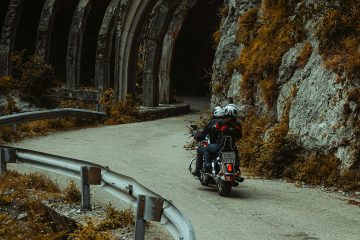
The kind of experience you would like to have, and the skills of your group members will determine the route for your motorcycle group ride. Some riders prefer scenic country roads with winding curves, while others may enjoy long stretches of highways where they can open up the throttle. As you choose your route, consider things like:
- Distance and duration: Make sure the distance you ride is comfortable for everyone. As you’ll be just on the weekend, you’ll hardly have much time. Not everyone enjoys the same speed; some like to keep a steady speed and enjoy their ride. So, make sure everyone is comfortable with the length of the ride. Also, plan for breaking points or fuel stops with some extra food.
- Difficulty level: Ensure your chosen route is above most people’s skill level. Be cautious about the difficulty of the route. If you have beginner riders in the group, avoid challenging routes.
- Scenic vs. Practical: Consider the type of experience your group has. Some riders prefer scenic routes with mountains and forests, while others might want to ride faster on highways. Map out the route using Google Maps, RidingMoto, or any motorcycle-specific navigation app. Share the route with everyone and make sure all riders have access to it through their RidingMoto app or any other GPS navigation app.
Number of Riders
Check the number of riders in your group. This will help you determine how to run your ride. Small riding groups are easy to handle and flexible, but larger sizes require much coordination and organization. The bigger your group will be, the more rules you may need to ensure smooth riding and everyone staying together.
Group Riding Techniques: How to Ride Together
Group riding on motorcycles can become chaos if not well coordinated. The keys to a successful ride are clear communication, synchronization, and safe riding habits.
a. Rider Formation

Proper formation and distance are essential to safety and comfort when riding in a group. The most common and safest type of formation is the staggered formation. The riders are diagonally positioned in a staggered formation, each slightly offset from the next head and front. This way, every Rider maintains his line of sight and has ample room to maneuver in case of sudden speed or direction changes.
The position is the following:
- First Rider (Leader): You stay left on the lane; you ride keeping your left arm extended to indicate your intent to change lanes or to change direction
- Second Rider: This person should maintain his or her position on your right-hand side, three to four feet behind the leader. This keeps the formation at a safe distance and enables you to remain well-aligned.
- Following Riders: To maintain the staggered formation, ensure space between each Rider.
b. Speed and Tempo
In the last two decades, I have seen most motorcycle clubs in the world consider the group ride speed with the least experienced Rider in mind. Ideally, you’d ride at a speed where everyone in the group is comfortable and confident. If you set the pace too high, it worries the beginners; on the other hand, a speed that is too low frustrates the experts.
Remember, it’s not about speed; it’s about ensuring everyone feels comfortable and safe to keep up. One good tip is to keep the group together, keep up a steady pace, and enjoy the group ride.
c. Changing Lanes and Turns
When riding in a group, one important thing to do is signal for all turns, lane changes, and other movements. This allows every Rider to react in sync. When the leader needs to change lanes, he should do so by hand-signaling with clear space before turning. Similarly, the remaining riders should do the same and be spaced out enough to avoid collisions.
Group Riding Etiquette: Best Practices
In a motorcycle group ride riding, one must respect every ride regarding time, space, and personal preferences. Some of the basic rules for good motorcycle group riding are as follows:
Communication is crucial: 16 Motorcycle Hand Signals

Make sure every Rider can communicate with each other during the ride. Below are the common ways to communicate with fellow motorcycle group riders.
- Hand Signals: Probably one of the most well-known means of communication in group motorcycle riding. Hand signals allow coordination among members within a group without speaking to another member. There are 16 motorcycle hand signals that every Rider should know. RiderTwo-Way Radios: You might not need these on weekend trips, but if your group has them, surely use them. Otherwise, you can download the RidingMoto application and connect it with your smart helmet to stay in the loop with everyone.
Stopping and Parking
When stopping to rest or fuel, it is courteous to park in a way that allows all riders to access the rest of the group. Suppose you are the first to arrive at a stop; park in a way that leaves space for other riders to park and assemble. You should also always check around you before you stop.
Taking Breaks
Long rides tend to be tiring, and riders must take regular intervals. This will give the group time and means to rest, hydrate, and refuel. Make strategic stopovers along the route to ensure that everyone is comfortable. Make sure your group knows the next stop at all times.
Safety First: Ensure the Group is Safe
The first consideration of motorcycle group riding is safety. You can become easily swept up in the excitement of riding with others, but don’t forget to watch the road and other important details. Here are some safety tips to ensure a successful motorcycle group ride:

Pre-Ride Safety Checks
Before going for a motorcycle group ride, ensure all riders check their motorcycle for safety. This includes:
- Tire pressure and tread
- All the lights
- Inspection of brakes, clutch, and throttle
- Check on the oil and fluids
- Check your helmet and gear so that they are in good condition
Ensure everyone checks all the above to avoid mechanical failure, which is often the reason for group accidents.
Proper Protective Attire: Every biker needs to wear the right protective attire, such as:
- A DOT-approved helmet
- Riding gloves
- A protective jacket with armor
- Riding boots
- Reflective vests for visibility in low-vision
Know the Group’s Skill Level
As mentioned above, not everyone in your group may have the same experience. Know everyone’s riding skills; not everyone will be comfortable with dangerous roads. If you’re in the U.S.A., you can go on a dirt bike trail or some of the best routes in the world. Pick a route everyone is comfortable riding and can reach their destination without hassle.
Emergency Preparedness
It would help if you also prepared for emergencies. Share emergency supplies in your group and guide everyone on what they can do in case of an emergency with the motorcycle group. Before planning anything, prepare first aid for minor injuries and sickness.
So, these are the few must-know things for motorcycle group rides. You might have read the RidingMoto word on the tin blog. Let me give you an overview of why I and other riders worldwide use for solo and motorcycle group rides.
Organize, Track, and Connect with Motorcycle Group Riders
RidingMoto is the perfect platform to organize your group motorcycle ride better and enhance it. Whether planning a weekend trip or a cross-country adventure, RidingMoto ensures you and your group stay connected. You can:
- Easily organize and join rides: RidingMoto allows you to schedule and track your routes with a tap. You can also create a ride and share the link with fellow riders to connect with them.
- Efficient Communication: Communication is the key to enhanced group rides, and that’s what RidingMoto does. With RidingMoto, you can easily plan and share your stops and refueling stations with other riders. You can also connect the app with your smart helmet to communicate effectively.
- Real-time Updates: RidingMoto updates the map in real-time and updates riders with the road conditions, weather, and other hazards immediately so you can make and update the changes with fellow riders.
- Safety First: The app has a live location tracking and sharing feature that allows you to share your location or track fellow riders’ locations in real time. Track the location of your group and know everyone on the team is safe. This will also make it easier to plan for an emergency.
Let’s not praise it because it has many other features, and you might also download RidingMoto yourself.
Conclusion: Ride Safely and Have Fun
When motorcycle group riding is accomplished correctly, it can be a real adventure. The bonds formed between riders, the thrill of the open road, and the camaraderie within motorcycle clubs or riding groups are unparalleled. This guide will enhance motorcycle group rides and help you create new friends and memories. Finally, if you want to join or organize your next motorcycle group ride, RidingMoto is the most accessible place to join like-minded riders and schedule, track, and manage your next ride. Happy riding!
FAQs
What are the basic rules for motorcycle group rides?
When riding in a motorcycle group, safety and communication are all vital. A motorcycle group should stay in formation, there should be enough distance to control the bike in an emergency or sudden change in speed, and you should know the hand signals.
What are motorcycle group ride etiquette rules?
Motorcyclists have respect to give respect to fellow riders and passersby. A motorcycle riding group should respect the speed limit of the leader and respect other riders, even new riders. Also, when you stop for refueling or rest, always park without obstructing or blocking the route of other riders.
How do I find motorcycle group rides?
The best way to find motorcycle group rides is by signing up for ride forums or social networks. Besides this, apps like RidingMoto can also help you connect with like-minded rider groups. Group rides are also posted under motorcycle rides, rallies, or bike meets on event websites or local event listings.
Why do bikers ride on the yellow line?
Motorcyclists ride on the yellow line for safety reasons. Riding on the yellow line increases the chances of being seen by other riders or passersby. Also, bike riders sometimes sometimes drive closer to the yellow line because the right side of the lane contains debris, potholes, or uneven surfaces.
Why do motorcycles ride in staggered formation?
Motorcycles usually ride in a staggered pattern to enhance visibility and improve safety. If the riders ride diagonally, every Rider gets an unrestricted view of the road. I also ride in staggered formats, which comforts riders by minimizing the feelings of being boxed in, as it creates extra space for movement.
You can follow us on
Facebook | Twitter | Instagram | LinkedIn | Pinterest
By: RidingMoto Rider