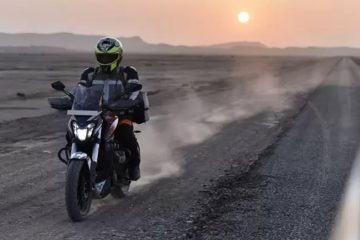
Riding During Monsoons: The rumble of thunder, the scent of petrichor, the glistening asphalt… Monsoon season. For some, it’s a time for cozy nights in. But for motorcycle enthusiasts, it presents a unique challenge – and a thrilling adventure, if approached correctly. This isn’t about avoiding the rain; it’s about conquering it, safely and smartly. And that’s where planning plays a crucial role, something made significantly easier with tools like RidingMoto, a motorcycle app designed to help riders navigate any situation, rain or shine.
This guide, created with the seasoned and aspiring biker in mind, delves into everything you need to know about riding safely and enjoyably during the monsoon season.
Riding During Monsoons: Understanding the Risks Beyond Wet Roads
Riding in the monsoon isn’t just about dealing with slippery roads. The risks multiply exponentially. Consider these crucial factors:
* Reduced Visibility: Heavy downpours dramatically reduce visibility. Headlights, even the brightest, struggle to penetrate the sheets of rain. This is where a good motorcycle app with real-time weather updates, like RidingMoto, can prove invaluable. Knowing the rainfall intensity ahead of time allows you to adjust your route or even delay your ride.
* Slippery Surfaces: Oil, grime, and loose gravel become incredibly dangerous when mixed with rainwater. Braking distances increase significantly, demanding heightened awareness and cautious riding.
* Hydroplaning: At higher speeds, your tires can lose contact with the road surface, causing you to lose control. This is particularly dangerous on stretches of highway with standing water.
* Reduced Traction: Even on seemingly dry roads, the increased humidity reduces overall tire traction.
* Poor Road Conditions: Monsoon rains can damage roads, causing potholes, washouts, and other unforeseen obstacles. RidingMoto’s community features can help; other users might report road hazards on their routes, providing you with real-time alerts.
* Flash Floods and Waterlogging: Unexpected downpours can lead to flash floods, quickly turning roads into raging rivers. Never underestimate the power of flowing water.
Gear Up for the Monsoon: Your Armor Against the Elements
Proper gear is paramount during monsoon riding. Don’t compromise on safety:
* Waterproof Gear: Invest in high-quality waterproof riding gear, including a jacket, pants, gloves, and boots. Look for gear with good breathability to prevent overheating and discomfort.
* Helmet: A full-face helmet is essential, providing protection from rain and debris. Ensure the visor is clear and offers good visibility. Consider an anti-fog visor for added safety.
* Visibility Enhancing Gear: Bright, high-visibility clothing is crucial for better visibility in low-light conditions. Reflective gear is also a must.
* Motorcycle Cover: Protecting your bike from the elements is equally important. A high-quality motorcycle cover will safeguard it from rust and water damage.
Riding Techniques for Monsoon Conditions: Mastering the Wet Asphalt
Adjusting your riding techniques for monsoon conditions is vital. Here are some key strategies:
* Reduce Speed: This is the single most important adjustment. Slow down significantly, giving yourself ample time to react to changing road conditions.
* Increase Following Distance: Maintain a much larger following distance than usual to provide yourself with more reaction time in case of sudden braking or skidding.
* Smooth Acceleration and Braking: Avoid jerky movements. Accelerate and brake smoothly and gradually to maintain control.
* Avoid Sudden Lane Changes: Lane changes should be executed carefully and only when absolutely necessary. Signal well in advance.
* Be Mindful of Road Markings: Road markings can become incredibly slippery during the monsoon. Avoid riding directly over them.
* Watch Out for Hazards: Be extra vigilant for potholes, gravel, and other hazards often hidden by standing water. RidingMoto’s real-time navigation can help you avoid congested areas or areas prone to flooding.
Planning Your Monsoon Ride: Using Tech to Your Advantage
Technology can be a lifesaver during planning your monsoon ride. RidingMoto provides several tools to ensure a safe and enjoyable journey:
* Real-time Weather Updates: Check the weather forecast before you leave and monitor real-time updates during your ride.
* Route Planning: Plan your route carefully, avoiding areas prone to flooding or landslides. RidingMoto’s route-planning feature allows you to check road conditions reported by other users, as well as providing alternative routes if necessary.
* Navigation: A reliable navigation system is crucial, especially during low-visibility conditions. RidingMoto’s accurate navigation ensures you stay on course, even during heavy rain.
* Safety Alerts: Utilize safety features, if available, to alert contacts of your route and location. RidingMoto offers such safety features, including the ability to share your live location with loved ones.
Maintaining Your Motorcycle During the Monsoons: Preventative Care is Key
Regular maintenance is crucial to keep your bike running smoothly during the monsoon season.
* Check Tire Pressure: Ensure your tire pressure is optimal. Low tire pressure reduces traction and increases the risk of hydroplaning.
* Inspect Brakes: Check your brakes for wear and tear. Efficient braking is critical during wet conditions.
* Clean and Lubricate Chain (if applicable): Keep your chain clean and lubricated to prevent rust and ensure smooth operation.
* Battery Check: Ensure your battery is in good condition and properly sealed to prevent damage from water.
The RidingMoto Advantage: Your All-in-One Riding Companion
Throughout this guide, we’ve subtly showcased how RidingMoto can enhance your monsoon riding experience. Its features—from real-time navigation and weather updates to community-based hazard alerts and trip planning—are designed to give you the confidence and peace of mind to tackle any road, regardless of the conditions. It’s more than just a motorcycle app; it’s your riding partner.
Conclusion: Ride Smart, Ride Safe
Riding during the monsoons can be a rewarding experience, offering a unique perspective on the landscape. But it demands respect, preparation, and the right tools. By understanding the risks, equipping yourself with the proper gear, employing safe riding techniques for monsoon, and utilizing helpful apps like RidingMoto, you can transform a potentially hazardous journey into an unforgettable adventure. Download RidingMoto today and experience the difference!
Frequently Asked Questions (FAQs)
Is it safe to ride a motorcycle in heavy rain?
Riding in heavy rain is significantly riskier than in dry conditions. It’s best to avoid riding in extremely heavy rain if possible. If you must ride, drastically reduce your speed, increase following distance, and use extreme caution.
How can I prevent my motorcycle from rusting during the monsoon?
Regularly clean and dry your motorcycle after riding in the rain. Use a good quality motorcycle cover to protect it when not in use. Consider applying a rust inhibitor to vulnerable parts.
What type of tires are best for monsoon riding?
Tires with deep tread depth provide better grip on wet surfaces. Consider tires specifically designed for wet weather conditions.
How can I improve my visibility in heavy rain?
Use bright, high-visibility clothing and reflective gear. Ensure your headlights and taillights are functioning properly. Consider using fog lights if your motorcycle has them.
What should I do if I hydroplane?
If you hydroplane, ease off the throttle, avoid braking suddenly, and steer gently in the direction you want to go. Avoid making any sharp turns.
What are the signs of a failing motorcycle battery?
Signs of a failing battery include difficulty starting the engine, dimming headlights, and electrical malfunctions.
How often should I check my tire pressure during the monsoon?
Check your tire pressure at least once a week, or more often if you ride frequently in wet conditions.
Can RidingMoto help me find alternative routes if a road is flooded?
Yes, RidingMoto’s real-time navigation and community features can help you identify flooded areas and suggest alternative routes.
What should I do if I encounter a flash flood while riding?
If you encounter a flash flood, do not attempt to cross it. Turn back and find an alternative route. Flash floods can be extremely dangerous and can quickly sweep away vehicles.
How does RidingMoto’s safety feature work?
RidingMoto’s safety feature allows you to share your real-time location with designated contacts. This ensures someone knows your route and can contact help if needed.
You can follow us on
Facebook | Twitter | Instagram | LinkedIn | Pinterest | YouTube
By: RidingMoto Rider