Best Tips for Winter Motorcyclists: Before you even think about firing up your engine, let’s dive into Tips for Winter Motorcyclists to ensure those snowy rides are safe and enjoyable. Forget balmy summer breezes and sun-drenched highways. Winter’s here, and for some of us, that means trading our leathers for… well, maybe even more leathers, but with a whole lot more layers underneath. Riding a motorcycle in snowy conditions is no walk in the park – it’s a serious undertaking that demands respect, skill, and the right gear. I’ve found that using apps like RidingMoto, with its detailed route planning and real-time weather updates, makes a huge difference.
Assessing the Risks: Best Tips for Winter Motorcyclists
Let’s be brutally honest: riding a motorcycle in snow is inherently dangerous. Black ice, reduced visibility, and treacherous road conditions can quickly turn a fun ride into a nightmare. Before you even consider venturing out, ask yourself: Is this ride absolutely necessary? Can you postpone it? Is there an alternative mode of transportation? If the answer is a resounding “yes,” then proceed with extreme caution and the following advice.
- Check the forecast meticulously: Don’t rely on just a quick glance; delve into detailed weather reports, paying close attention to temperature, precipitation type, and wind conditions.
- Assess road conditions: If possible, drive or walk the route beforehand to gauge ice patches, snow accumulation, and overall road safety.
- Consider your skill level: Winter riding requires advanced skills. If you’re a novice, stick to warmer weather. Even experienced riders should proceed with caution.
Gear Up for the Blizzard: The Importance of Proper Attire
Your gear is your first line of defense against the elements. Forget your summer riding gear; winter demands a completely different approach.
- Multiple layers: Think thermal underwear, fleece mid-layers, and a waterproof outer shell. The key is layering for optimal warmth and dryness.
- Waterproof and windproof outerwear: This is non-negotiable. Wet clothes lead to hypothermia, a serious and potentially fatal condition.
- Insulated gloves and boots: Your extremities are most vulnerable to the cold. Invest in high-quality, insulated gear that keeps your hands and feet warm and dry.
- Helmet with a face shield or goggles: Protection from wind, snow, and ice is crucial. Ensure your face shield or goggles are clear and offer good visibility.
Modifying Your Motorcycle for Winter
Your bike needs some TLC for winter conditions too. Simple modifications can dramatically improve your safety and control.
- Tires: Consider winter tires specifically designed for snow and ice. These tires have deeper treads and a different rubber compound for superior grip.
- Chains: In severe conditions, tire chains can provide essential traction, but they significantly impact handling. Practice using them before you need them on the road.
- Handguards: These will keep your hands warmer and shielded from the wind and snow.
- Lower tire pressure (slightly): Slightly lower tire pressure can improve traction on snowy surfaces, but be careful not to go too low. Consult your motorcycle’s manual for recommendations.
Riding Techniques for Snowy Conditions
Winter riding requires a completely different approach than summer riding. Smoothness is key.
- Slow and steady wins the race: Avoid sudden acceleration, braking, or turning. Gentle inputs are vital for maintaining control.
- Increase following distance: Stopping distances are significantly longer in snow. Maintain a greater following distance than you would in normal conditions.
- Look ahead: Scan the road well ahead of you to anticipate potential hazards and adjust your speed accordingly.
- Avoid sudden movements: Any abrupt movement can easily cause a loss of control on slippery surfaces.
- Brake smoothly: Use both front and rear brakes gently and progressively, avoiding locking up the wheels. ABS is a significant advantage here.
Navigation and Planning: Utilizing Technology Wisely
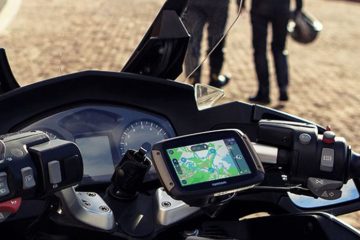
Navigating snowy routes requires careful planning and reliable technology. This is where RidingMoto really shines. Its detailed map features, including real-time weather updates, ensure you’re always aware of the conditions ahead. You can plan your routes meticulously, avoiding known problem areas and utilizing the app’s comprehensive weather forecasts to make informed decisions. This helps you avoid unnecessary risks and keeps you on the safest routes possible. Imagine this: you’re planning a winter ride through the mountains using RidingMoto’s trip planner; the app highlights areas with potential ice build-up and suggests alternative, safer routes. That’s peace of mind on a snowy day.
Safety First: Be Prepared for the Unexpected
Even with meticulous planning, unexpected situations can arise. Always be prepared.
- Carry a first-aid kit: Winter riding increases the risk of accidents and injuries.
- Pack extra layers of clothing: If you get stranded, extra layers can be a lifesaver.
- Inform someone of your route and estimated time of arrival: Let a friend or family member know where you’re going and when you expect to be back. RidingMoto’s built-in share my location feature makes this super easy.
- Carry a fully charged mobile phone and portable charger: Cell phone service can be spotty in remote areas, but a fully charged phone is essential in case of emergencies.
- Emergency tools: Include a basic toolkit for minor repairs and a tow strap.
RidingMoto: Your Co-Pilot in Snowy Conditions
Navigating wintry landscapes can feel daunting, but with the right tools and preparation, it becomes more manageable. RidingMoto integrates seamlessly into this preparedness, offering features designed to enhance your winter riding experience. The app’s advanced navigation system, coupled with real-time weather updates, gives you a considerable edge. Its safety features, including SOS alerts and the ability to share your location with loved ones, provide an added layer of security, reassuring you and those who care about you. The RidingMoto community also allows you to connect with other experienced riders, sharing tips and insights specific to winter riding.
The Thrill of the Ride: Winter’s Unique Rewards
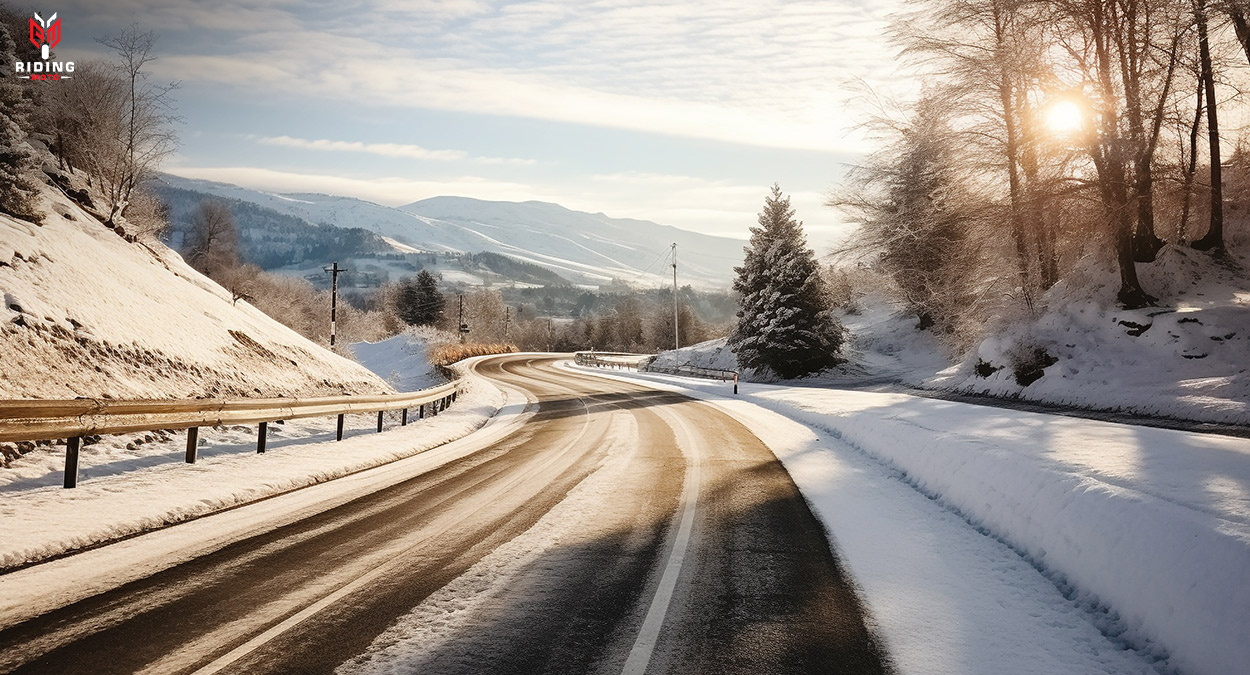
Despite the inherent risks, winter riding offers a unique and exhilarating experience. The quiet solitude of snow-covered roads, the breathtaking beauty of a winter landscape – it’s a magical experience that only a select few dare to embrace. Remember, it’s about embracing the challenge responsibly.
Conclusion: Embrace the Challenge, Ride Safely
Winter motorcycle riding is not for the faint of heart. It demands respect, skill, and meticulous preparation. By following these guidelines, utilizing appropriate gear, and employing smart technology like RidingMoto, you can significantly increase your chances of a safe and enjoyable ride. Remember, however, that safety should always be your top priority. Download RidingMoto today and experience the difference – plan your next adventure, knowing that you’re equipped with the best tools available to make it a success.
Frequently Asked Questions (FAQs)
What is the ideal tire pressure for winter riding?
Slightly lower tire pressure than recommended in your motorcycle’s manual can improve traction on snowy surfaces, providing a larger contact patch. However, don’t reduce it excessively, as this can lead to handling issues. Consult your manual for a starting point and always check the pressure before each ride.
Are studded tires legal everywhere?
Studded tire legality varies widely depending on the region and specific legislation. Some areas have outright bans, while others permit their use only during specific times of the year or under specific conditions. Check your local traffic laws before using studded tires.
How can I tell if my motorcycle has ABS?
Your motorcycle’s owner’s manual will clearly indicate whether it’s equipped with ABS (Anti-lock Braking System). You may also find a label or indicator on the instrument panel.
What should I do if I fall in the snow?
First, assess your injuries and call for help if necessary. If possible, move your motorcycle off the road to prevent further accidents. Dress warmly and stay put, and remember to share your location with emergency services if you can.
How can I stay visible in snowy conditions?
Wear brightly colored, reflective clothing and ensure your motorcycle’s lights are clean and functioning properly. Consider adding additional lights or reflectors to increase your visibility in low-light or snowy conditions.
Can I use my regular riding jacket in winter?
No, regular riding jackets are not suitable for winter riding. They lack sufficient insulation and waterproofing to protect you from the cold and wet conditions.
How does RidingMoto help with winter riding safety?
RidingMoto provides real-time weather updates, allowing you to plan your route around dangerous conditions. It also offers features like sharing your location with others and SOS alerts, improving your safety in case of emergencies.
What type of gloves are best for winter riding?
Choose insulated, waterproof gloves that provide sufficient dexterity for operating your motorcycle’s controls. Consider heated gloves for extreme cold conditions.
What is hypothermia, and how can I avoid it?
Hypothermia is a dangerous drop in body temperature, leading to severe health issues and possibly death. Prevent it by wearing warm, layered clothing, avoiding prolonged exposure to the cold, and staying dry.
How can I practice slow riding techniques?
Practice in a safe, empty parking lot or a quiet area away from traffic. Focus on smooth throttle and brake inputs, and get comfortable with slow maneuvers before riding in challenging conditions.
You can follow us on
Facebook | Twitter | Instagram | LinkedIn | Pinterest | YouTube
By: RidingMoto Rider