
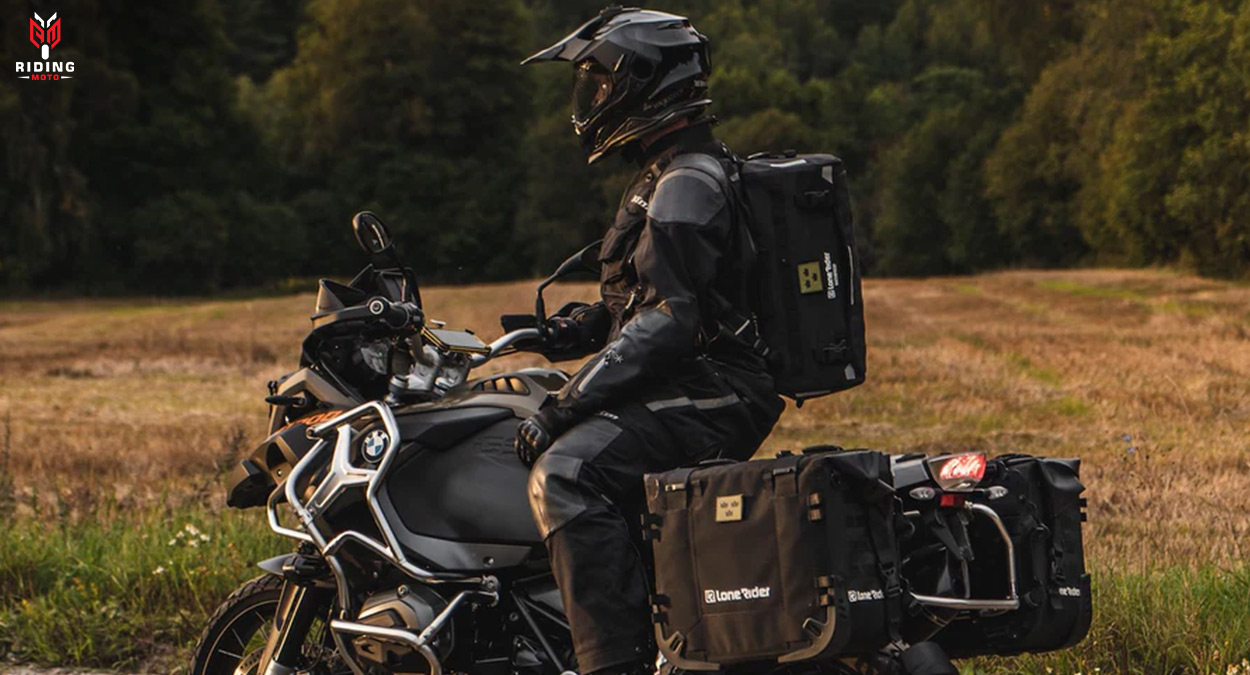
Weather-Proofing Your Gear: Remember that exhilarating ride last spring, the sun warm on your face, the wind whipping through your hair? Then, BAM! A sudden downpour turned your idyllic cruise into a soggy, shivering nightmare. That’s why understanding how to weather-proof your gear is crucial, regardless of whether you’re a seasoned biker tackling a cross-country adventure or a newbie prepping for your first solo ride. This comprehensive guide will help you conquer any weather Mother Nature throws your way, ensuring every ride remains an adventure, not an ordeal. Along the way, we’ll also highlight how the RidingMoto motorcycle app can simplify your planning and enhance your safety on the road, making every journey smoother and more enjoyable.
Weather-Proofing Your Gear: Assessing the Risks of Your Climate
Before diving into gear, let’s talk about understanding your riding environment. Are you a desert rider facing scorching sun and occasional flash floods? A mountain biker dealing with unpredictable snow and ice? Or a coastal cruiser bracing for salty sea spray and unpredictable wind? Your climate dictates the type and level of weather protection you need. Planning your route using the RidingMoto app’s detailed weather forecasts for your planned route is a great starting point. Knowing what conditions to expect allows you to pack accordingly and avoid unpleasant surprises. The app also allows you to share your route and real-time location with friends and family – a crucial safety feature.
The Outer Shell: Jackets, Pants, and More
Your outermost layer is your first line of defense. Choosing the right jacket and pants is paramount. Look for materials like Gore-Tex or other breathable, waterproof fabrics. These materials offer excellent protection against rain and wind while allowing moisture vapor (sweat) to escape, preventing overheating and discomfort.
- Waterproof Rating: Pay close attention to the waterproof rating (measured in millimeters of water pressure). Higher numbers indicate better water resistance.
- Breathability Rating: Look for a breathability rating (often expressed as grams per square meter per 24 hours). Higher numbers mean better vapor transmission.
- Reinforcements: Consider jackets and pants with reinforced areas at the elbows, knees, and shoulders for added protection in a fall.
Beyond jackets and pants, consider waterproof over-trousers and a rain jacket for layering. These can be easily packed away and deployed when needed. RidingMoto’s pack list feature can help ensure you don’t forget anything essential.
Protecting Your Extremities: Gloves, Boots, and More
Your hands and feet are particularly vulnerable to the elements. Waterproof and insulated gloves are essential for maintaining dexterity and warmth. Look for gloves with good grip and reinforced palms for safety.
- Insulation: Choose gloves with appropriate insulation based on the expected temperature.
- Materials: Leather, synthetic leather, and waterproof membranes are popular choices.
- Touchscreen Compatibility: Many modern gloves offer touchscreen compatibility, a handy feature for using your RidingMoto app on the go.
Similarly, waterproof and sturdy riding boots are crucial. They should provide ankle support and protection against impacts. Consider using waterproof gaiters over your boots in particularly wet conditions.
Head to Toe: Helmets and Other Essentials
Your helmet is your most important piece of safety gear, and it needs weather protection too. While most helmets are water-resistant to some degree, a quality helmet rain cover can provide an extra layer of protection against heavy rain and keep your visor clear.
- Pinlock Visor: A Pinlock insert prevents fogging, essential in humid or rainy conditions.
- Helmet Communication System: A Bluetooth communication system (compatible with RidingMoto for voice navigation!) can keep you connected even in a downpour.
- Neck Gaiter or Balaclava: These can provide extra warmth and protection against wind and rain, especially helpful in colder climates.
Gear Maintenance: Keeping Your Armor Ready
Proper gear maintenance is crucial to ensure its longevity and effectiveness. After each ride, clean your gear according to the manufacturer’s instructions. Allow it to air dry completely before storing it. Regularly check for any tears or damage and repair them promptly. You can use RidingMoto’s integrated notes section to log your gear maintenance.
Beyond the Basics: Specialized Equipment
For serious adventurers and those riding in extreme conditions, consider investing in specialized gear. This could include heated gear (gloves, jackets, and vests) for colder climates, or highly specialized waterproof suits for extreme rain.
Utilizing RidingMoto for Enhanced Safety and Planning
Throughout this guide, we’ve subtly woven in how RidingMoto can help you prepare for and enjoy your rides. Its real-time navigation, detailed weather forecasts, and built-in safety features – such as sharing your location with contacts – can make a huge difference in your safety and peace of mind. The app also fosters a strong community where you can share tips and experiences with fellow riders, further enhancing your preparedness. Planning your route in RidingMoto also allows you to identify potential weather hazards and adjust your journey accordingly.
Conclusion: Ride Safe, Ride Prepared
Weather-proofing your gear is more than just a matter of comfort; it’s about safety. By investing in high-quality, waterproof gear and following proper maintenance procedures, you can significantly reduce the risks associated with riding in adverse conditions. Combined with smart planning using the RidingMoto app, you can ensure that every ride, regardless of the weather, is a safe and enjoyable experience. Download RidingMoto today and start planning your next adventure with confidence.
FAQs
How often should I replace my riding gear?
The lifespan of your riding gear depends on usage and wear. Inspect your gear regularly for damage. Replace it if it shows significant wear and tear, loses its waterproofness, or no longer provides adequate protection.
Can I wash my waterproof gear in a washing machine?
Check the manufacturer’s instructions. Some waterproof gear can be machine washed, but others require hand washing.
What’s the difference between waterproof and water-resistant?
Waterproof gear is designed to completely block water, while water-resistant gear offers some level of protection but might not be fully impervious to heavy rain.
How do I choose the right size of riding gear?
Consult the manufacturer’s size charts and measure yourself accurately. It’s better to have slightly larger gear for layering.
How do I clean my motorcycle helmet?
Use a soft cloth and mild detergent. Avoid harsh chemicals. For deeper cleaning, you can use a specialized helmet cleaner.
Are heated gloves worth the investment?
If you ride frequently in cold climates, heated gloves are an excellent investment that dramatically increases comfort and safety.
How can I keep my visor from fogging up?
Use a Pinlock insert, or a good quality anti-fog spray.
What are the essential features to look for in motorcycle boots?
Ankle support, waterproofness, durability, and good grip are crucial features.
How does RidingMoto help with route planning in different weather conditions?
RidingMoto provides real-time weather updates along your planned route, allowing you to adjust your plans if needed and choose alternative routes with better weather.
Can I use RidingMoto to share my location with emergency contacts?
Yes, RidingMoto allows you to share your real-time location with chosen contacts for added safety and peace of mind.
You can follow us on
Facebook | Twitter | Instagram | LinkedIn | Pinterest | YouTube
By: RidingMoto Rider