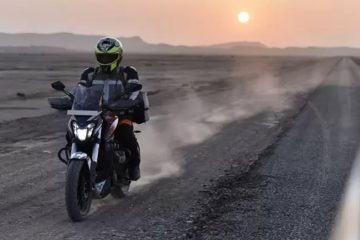
The sensations that draw us to motorcycles are thrilling, but what if that road suddenly turned into mountain bike trails near me? What if the asphalt gave way to the rugged beauty of winding mountain paths, challenging climbs, and exhilarating descents? This isn’t about pavement; this is about exploring the hidden gems of off-road mountain biking, a thrilling adventure that surprisingly shares many parallels with motorcycling.
For motorcycle enthusiasts, the allure of exploration is undeniable. We crave the freedom of the open road, the satisfaction of conquering a challenging route, and the camaraderie shared with fellow riders. And while the roar of a powerful engine is exhilarating, the quiet hum of tires on packed dirt offers a different, equally rewarding experience. Mountain biking provides a unique opportunity to connect with nature, to push your physical and mental limits, and to discover hidden trails that would otherwise remain unexplored.
This article is specifically designed for you, the motorcycle rider, to explore the world of biking. We’ll unveil the parallels between these two passions, offer practical advice for transitioning to this new terrain, and highlight how the RidingMoto app can enhance your off-road adventures, both on two wheels and two tires. And for those considering a new, exciting adventure, prepare to be surprised by the similarities and the unexpected rewards of this exhilarating pursuit.
Mountain Bike Trails Near Me: Motorcycling Surprising Parallels
At first glance, motorcycling and biking might seem worlds apart. One involves horsepower and roaring engines; the other, human power and the rhythmic churn of pedals. However, a closer look reveals remarkable similarities that seasoned motorcyclists will instantly recognize:
- Route Planning and Navigation: Just like planning a motorcycle trip, biking requires careful route selection. Navigating unfamiliar trails, understanding elevation changes, and accounting for terrain difficulty are crucial for both. A reliable GPS or a motorcycle trip planner app, like RidingMoto, becomes invaluable in this process.
- Gear and Safety: Both activities necessitate appropriate safety gear. Helmets are non-negotiable, and protective clothing is essential for minimizing injury. Understanding trail conditions and choosing suitable equipment (gloves, knee pads, etc.) is crucial for a safe and enjoyable experience.
- Skill Development and Technique: Both motorcycling and biking demand skill development. Mastering cornering techniques, braking effectively, and handling challenging terrain require practice and refinement. Learning to read the trail and anticipate obstacles is crucial for both activities.
- Community and Camaraderie: Both communities are built on a shared passion for adventure. The sense of community, the shared stories, and the camaraderie fostered through group rides or trail exploration are deeply rewarding.
- Environmental Awareness: Respect for the environment is paramount in both motorcycling and mountain biking. Following trail etiquette, minimizing environmental impact, and respecting wildlife are crucial aspects of responsible riding.
Choosing the Right Mountain Bike for Your Riding Style
Just as you wouldn’t take a cruiser on a motocross track, choosing the right mountain bike is crucial for a positive experience. Consider these factors:
- Hardtail vs. Full-Suspension: Hardtail bikes (with suspension only in the front) are lighter and more efficient for climbing but can be less comfortable on rough terrain. Full-suspension bikes (with suspension in both the front and rear) offer superior comfort and control on challenging trails but are heavier and less efficient on climbs. Your riding style and the types of trails you plan to explore will dictate the best choice.
- Frame Material: Aluminum, carbon fiber, and steel are common frame materials. Aluminum frames are typically a good balance of strength and weight. Carbon fiber offers lightweight performance, while steel provides durability and a comfortable ride.
- Wheel Size: 27.5-inch and 29-inch wheels are popular choices. 29-inch wheels roll over obstacles more easily, while 27.5-inch wheels are often more agile and maneuverable.
- Components: Consider the quality of the groupset (gears, brakes, derailleurs), fork (front suspension), and tires. Investing in high-quality components can significantly impact your riding experience.
Experienced motorcyclists will understand the importance of appropriate gear for the terrain. The same principle applies to mountain biking. Choosing a bike that suits your riding style and the type of trails you’ll be tackling is paramount to enjoyment and safety.
Essential Gear for Mountain Biking
Having the right gear is just as crucial in mountain biking as it is in motorcycling. Beyond the bike itself, consider these essentials:
- Helmet: A properly fitted, full-face helmet is highly recommended for mountain biking, especially on challenging trails.
- Protective Gear: Gloves, knee pads, and elbow pads are highly recommended to protect against falls and impacts.
- Clothing: Wear comfortable, moisture-wicking clothing suited to the weather conditions. Layers are ideal to adjust to changing temperatures.
- Bike Repair Kit: A basic repair kit containing spare tubes, tire levers, a pump, and basic tools can be a lifesaver on the trail.
- Hydration Pack or Water Bottles: Staying hydrated is crucial, particularly during longer rides.
- First-Aid Kit: A small first-aid kit containing essentials like bandages, antiseptic wipes, and pain relievers is a valuable addition to your gear.
Remember, safety is paramount. Investing in good quality gear will enhance your enjoyment and minimize the risk of injury.
Finding and Navigating Mountain Bike Trails
Finding suitable mountain bike trails near you can be surprisingly easy. Here are some resources:
- Online Trail Databases: Websites and apps like Trailforks, MTB Project, and RidingMoto (featuring a comprehensive trail directory with user reviews and trail conditions) offer detailed trail maps, difficulty ratings, and user reviews.
- Local Bike Shops: Local bike shops are excellent sources of information about trails in the area. They often have maps, trail guides, and insider tips.
- Local Cycling Clubs: Joining a local mountain biking club can connect you with experienced riders who can share their knowledge of trails and lead group rides.
Navigating Trails with RidingMoto: The app goes beyond simple trail mapping. Its advanced features allow you to plan routes, track your progress, and share your experiences with fellow riders. Its sophisticated GPS capabilities ensure you stay on course, even on the most challenging trails. This is a key advantage over basic map apps, offering crucial real-time information and a supportive community.
Mountain Biking Techniques for Motorcycle Riders
Motorcycling skills translate surprisingly well to mountain biking. However, there are some key techniques to master:
- Body Positioning: Maintaining a centered position on the bike is crucial for balance and control. Shift your weight to navigate corners and maintain stability on uneven terrain.
- Braking: Use both brakes (front and rear) smoothly and progressively, avoiding sudden or hard braking, especially on loose surfaces.
- Cornering: Lean into corners, maintain a smooth trajectory, and adjust your body weight to maintain balance.
- Climbing: Maintain a consistent cadence, use your gears effectively, and stay seated unless necessary to maintain traction.
- Descending: Maintain a relaxed posture, look ahead to anticipate obstacles, and use your brakes smoothly and progressively.
The intuitive nature of these techniques will be quickly grasped by experienced motorcyclists. The transferable skills will accelerate the learning curve, leading to a rapid increase in confidence and enjoyment.
Respecting Trail Etiquette and Environmental Responsibility
Just like responsible motorcycling, mountain biking requires adherence to trail etiquette and environmental responsibility:
- Stay on Marked Trails: Avoid riding off-trail to protect vegetation and wildlife habitats.
- Yield to Hikers and Other Trail Users: Always yield to hikers and other trail users. Announce your presence with a polite warning.
- Pack Out Your Trash: Leave no trace. Pack out everything you pack in.
- Respect Wildlife: Observe wildlife from a distance and avoid disturbing their habitats.
- Repair Trail Damage: If you encounter trail damage, such as washouts or downed trees, report it to the appropriate authorities.
The principles of responsible riding are universal. By respecting these guidelines, you contribute to the preservation of these beautiful trails for years to come.
Level Up Your Off-Road Adventures with RidingMoto
This app isn’t just a map, it’s your comprehensive companion for all your two-wheeled adventures, whether on asphalt or off-road trails. Here’s how it enhances your mountain biking experience:
- Detailed Trail Maps: Access detailed maps of mountain biking trails near you, complete with difficulty ratings, user reviews, and real-time trail conditions.
- Route Planning and Navigation: Plan customized routes, track your progress in real-time, and share your adventures with friends.
- Community Features: Connect with other mountain bikers, share trail tips, and discover new riding spots.
- Safety Features: Share your location with emergency contacts, ensuring your safety on the trail.
- Offline Maps: Access offline maps for areas with limited or no cellular service.
Conclusion: Embrace the Thrill of the Trail
Mountain biking offers a unique and rewarding experience for motorcycle enthusiasts. The parallels in skill development, route planning, and the sheer thrill of the ride are undeniable. By understanding the key techniques, equipping yourself with the proper gear, and utilizing resources like RidingMoto, you can unlock a whole new world of adventure. So, dust off your helmet (or buy a new one!), find your perfect mountain bike, and prepare to experience the exhilarating freedom of the trail. Download the app today and start exploring the incredible network of mountain bike trails waiting to be discovered near you!
FAQs
Is mountain biking more difficult than motorcycling?
The difficulty level varies greatly depending on the type of trail and the rider’s skill level. While both activities require skill and practice, mountain biking is physically demanding and requires good balance and endurance.
What type of bike is best for beginners?
A hardtail mountain bike with a comfortable geometry is typically recommended for beginners. It provides a good balance of performance and comfort.
How do I choose the right size mountain bike?
Visit your local bike shop and have a professional fitting. This will ensure you get a bike that fits your height and riding style properly.
What should I do if I get a flat tire on the trail?
Carry a spare tube, tire levers, and a pump. Practice changing a tire before your ride.
Are there age restrictions for mountain biking?
There are no strict age restrictions, but it’s advisable for younger riders to start with easier trails and under adult supervision.
How can I improve my mountain biking skills?
Practice regularly, take lessons from experienced riders, and gradually challenge yourself on more difficult trails.
How do I find mountain biking groups or clubs near me?
Search online for local mountain biking clubs, or ask your local bike shop for recommendations.
What are the benefits of using RidingMoto for mountain biking?
This app provides detailed trail maps, route planning tools, real-time navigation, safety features, and a community platform to connect with other riders.
Is RidingMoto free?
This app offers both free and premium subscription options, with the premium version providing additional features and benefits.
What if I get lost on the trail?
Always inform someone of your planned route and estimated return time. Carry a fully charged cell phone and consider a personal locator beacon (PLB) for remote areas.
You can follow us on
Facebook | Twitter | Instagram | LinkedIn | Pinterest | YouTube
By: RidingMoto Rider