
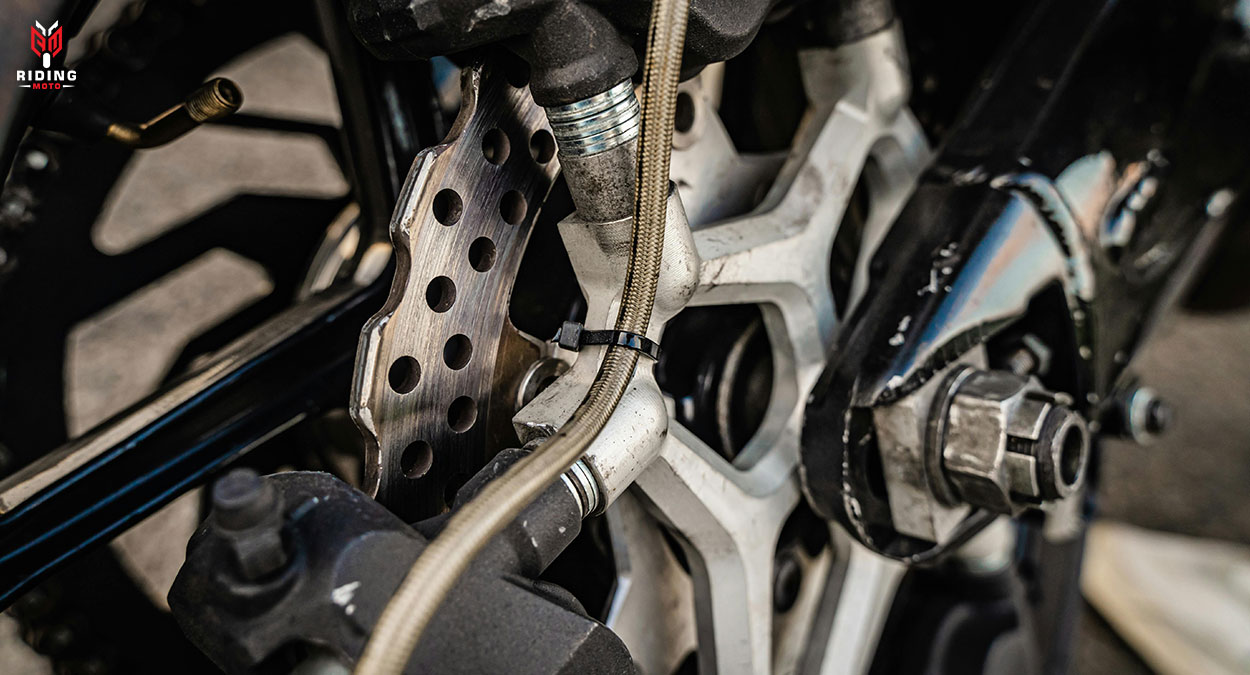
Riding a motorcycle is more than just leaning into a curve, feeling the wind rush past your helmet, and experiencing the thrill of riding. It is also about mastering the art of controlling your vehicle, or in other words, slowing down. Usually, riders believe that riding is the art of how fast they can accelerate or how well they balance their body weight during the ride.
Whether the rider is an expert or a beginner who likes to ride through different terrains, such as highland areas, dirt trails, or coastal areas, what matters is how the rider can use the motorcycle’s brakes during the ride. How can a rider distinguish between a smooth stop and a close call?.
Speaking of motorcycle brakes, they are not just about pulling a lever or pressing a pedal. Using those breaks is a science, as it is about balance, physics, muscle memory, and anticipation. If the rider can drive it correctly, the correct riding style can make the difference, making every ride safer, smoother, and more enjoyable for them. But if the rider didn’t control or understand the brake’s science, it can end with skidding tires, fishtailing, or worse.
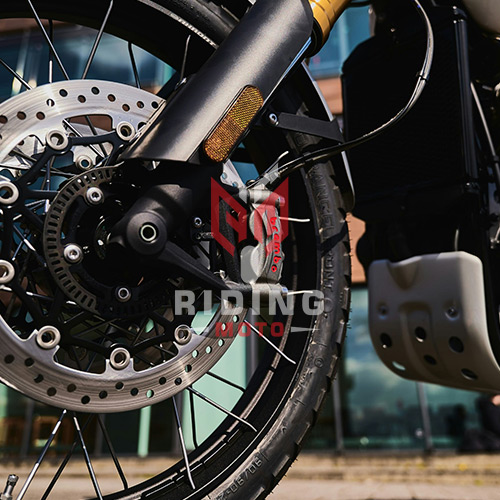
Motorcycle brakes, in many ways, are where science and art meet. It’s about
physics and friction, but also about instinct and timing. Riders who
master braking not only extend the life of their machines but also
extend their own.
In this RidingMoto blog, we’ll explore the science of braking, unpack the techniques used by expert riders, discuss the role of physics, and offer tips that can elevate a rider’s confidence every time they ride.
The Ultimate Guide to Motorcycle Brake Like a Pro
Many riders love riding motorcycles because they love chasing speed and the thrill of riding on the open road, but it’s essential to stop or slow down that speed chase. Hence, the motorcycle brakes are crucial for the rider’s safety. Before moving forward, let’s examine brakes’ role while riding, the types of brakes, maintenance tips, and practical braking tips essential for riders.
The Lifesaving Role of the Motorcycle Brake
Many people think that a good rider is defined by the speed at which they drive their motorcycle. But the truth is that their control of their motorcycle truly defines a good rider. Safety should be the priority of every rider, no matter what. Therefore, putting on the brakes at the time of need is mandatory.
The brakes are a major part of the motorcycle. They hold enough power that in just one moment, they can make the difference between a close call and a tragedy. The brakes are not just a mere mechanical part of a motorcycle; they are that lifeline button that will save your life while you ride your motorcycle on different terrain.
Two things are extremely mandatory while using brakes: first, understanding and mastering the technique of using the brakes perfectly, and second, having reliable brakes installed on the motorcycle.
Every rider should always remember one rule of riding: that using brakes while driving must become second nature to them. So in the future, whenever they encounter any danger while riding, as an instinct, their first thought should be to pull the brakes of the motorcycle instantly, confidently, and safely.
Riding and understanding the technique of brakes is not just a matter of mechanical stuff; it is also about the psychological aspects. Being confident while riding is very important, and knowing your motorcycle is crucial for your safety, too.
Many people easily assume that brakes are just a controlling device, but the truth is that they are the reason why a rider is able to maintain the motorcycle’s balance easily, handle the tricky descent from the trail, and so on.
The brakes of a motorcycle should never be taken for granted, as they are the mechanical system of the motorcycle that happens to be designed to help the rider in various scenarios, like turning possible chaos into manageable moments and slowing down the motorcycle on curvy, unpaved roads.
So, it’s the duty of a rider to keep the brakes of the motorcycle maintained and in shape and make sure to use them properly. Therefore, the next time you go to purchase a bike for yourself. At the same time, you cherish and admire the beautiful appearance of the motorcycle, and you always remember to appreciate the bike’s brakes. Motorcycle brakes are like those unsung heroes who do their work quietly without making a big deal.
Now, let’s move further and discuss the technique used by some expert riders for motorcycle brakes, how to keep them maintained, and some tips from expert riders about motorcycle brakes.
Braking Techniques Used by Expert Riders
Brakes are the unsung heroes of every motorcycle ride. While most of us love the thrill of acceleration, leaning into corners, or the roar of the engine, the brakes truly keep us safe. Expert riders know this very well. They treat the braking system with as much respect as the throttle. After all, smooth braking isn’t just about stopping; it’s about control, stability, and confidence.
Motorcycle braking isn’t solely about stopping; it’s about controlled deceleration. Consider it: a sudden, hard stop can easily send you over the handlebars, especially at higher speeds. Understanding the forces at play, weight transfer, tire grip, and braking bias, is paramount. The front brake is your primary stopping power, but using only the front brake can lead to a dangerous lock-up. Effective braking requires a coordinated effort between front and rear brakes, adjusting the pressure based on conditions and speed. This is where practice and feel become invaluable. Here are some techniques the expert riders use while riding the motorcycle, enjoying it, and maintaining their safety, too.
- Progressive Braking: Safe and Smooth
Progressive braking is among the best practices. Riders gradually increase pressure by softly squeezing the brake lever rather than seizing it abruptly. By doing this, the bike won’t suddenly shift its weight to the front wheel, which could cause it to wobble or skid. Brakes work best when applied smoothly, as experienced riders know; imagine it as gradually increasing a grip rather than abruptly closing it. You should visualize squeezing a sponge in your hand the next time you brake. You have more control when you apply pressure gradually.
Applying Both Brakes at Once
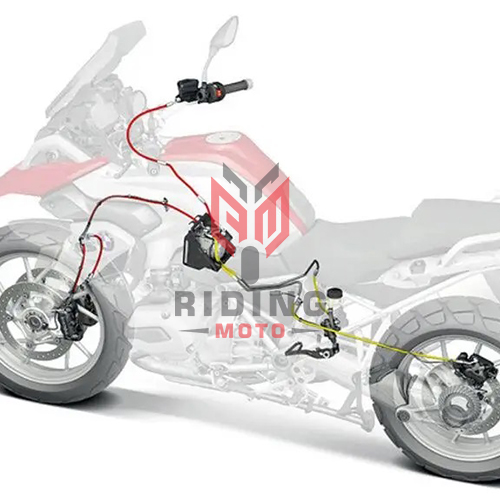
Motorcycles have two brakes: the back brake, which is operated with the right foot, and the front brake, which is used with the right hand. Both are used, although not equally, by skilled riders. The front brake applies the majority of stopping force (up to 70–80%). Fishtailing is avoided, and stability is increased with the rear brake. Professionals strike a balance between the two, using a little more force on the front while maintaining constant control over the back.
Trail Braking at Turns
Trail braking is a sophisticated technique in which the rider leans into a bend while maintaining a light front brake pressure. This keeps the motorcycle stable, helps control speed, and maintains grip. It’s challenging to use too much brake in a corner, which might result in a fall, but when done well, it’s a potent technique for navigating bends.
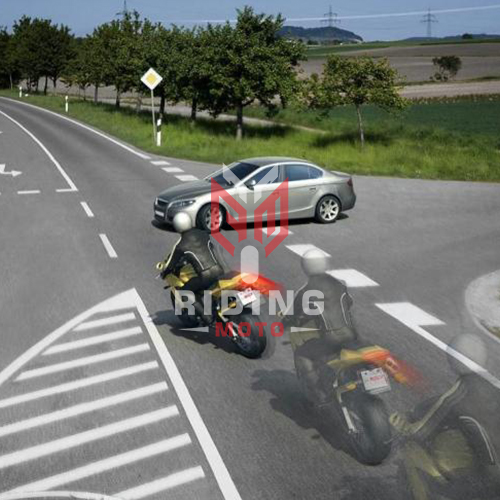
Braking in an emergency without panic
Emergencies put every rider’s abilities to the test. Skilled riders practice emergency stops to teach themselves to respond calmly. They know how to brake as hard as possible without locking the wheels. Experts continue to train to manage brakes on all terrain, with or without technology, even if modern motorcycles frequently include ABS (Anti-lock Braking System), which prevents wheel lock-up.
Controlling Your Weight While Braking
The weight of your motorcycle moves forward when you brake. Professionals understand how to balance their posture:
- To maintain their balance, they clutch the tank with their knees.
- Their arms remain loose rather than rigid.
- To counteract the forward momentum, they go slightly backward.
- This reduces the rider’s sensation of being flung over the handlebars and improves braking.
- Applying Braking to the Engine
Skilled motorcyclists slow down by using the engine rather than just the brake levers. They allow the engine’s resistance to naturally lower speed by downshifting gears as necessary. This reduces brake wear and improves deceleration.
So, this was some braking advice forwarded by the expert riders to the fellow riders’ community to keep them aware of the best riding and motorcycle brake techniques that can be applied during their rides on the motorcycle.
Physics Of the Motorcycle Braking System

The motorcycle’s physics only come alive when a rider happens to be pressing the brake lever or the pedal on the bike. Generally, every rider, whether professional or common, tends to consider using brakes as just a standard action while riding, but the motorcycle’s brakes are so much more than that.
In reality, the brakes of a motorcycle are a crucial and complex part of the motorcycle. They are all about converting kinetic energy into heat energy through friction.
From converting to generating the friction, all are part of the physics mechanism of the motorcycle. Other than that, the other breaks also help maintain the balance and harmony in the vehicle. The concept of physics present in the mechanism of the motorcycle is not just for engineers to understand; every rider needs to understand what makes a skilled rider and an average rider different from each other. So, here is the detailed information about the physics behind the braking system of the motorcycle that helps the rider in gaining power, reacting faster, pulling the brakes smoothly, and riding more safely during their ride.
Front and Rear Brake Synergy: The Art of Balance
The optimal braking technique often involves a roughly 70/30 front-to-rear brake bias. This ratio isn’t set in stone; it changes with speed, road surface, and other factors. You might reduce front brake pressure on slick surfaces to avoid a potentially disastrous lockup. Consider using the rear brake primarily for stability at low speeds or to help settle the bike after a complex front brake application.
Trail Braking: Smoothing the Ride
Trail braking is a masterful technique in which you apply the brakes while simultaneously leaning into a turn. This allows for smoother deceleration, increased stability, and, ultimately, tighter cornering. It’s a skill best learned under the guidance of an experienced instructor or through structured practice sessions. Remember, consistent practice is key, and RidingMoto’s community features offer a great platform to connect with experienced riders and share tips.
ABS and Its Limitations: Understanding Your System
Anti-lock Braking Systems (ABS) are fantastic safety features, preventing wheel lockup and maintaining steering control during hard braking. However, ABS isn’t a magic bullet. It can’t overcome the laws of physics. It is crucial to understand its limitations, such as reduced stopping power on loose surfaces. Knowing when to rely on it and when to adopt a more nuanced braking technique is part of becoming an expert rider.
Environmental Factors: Adapting to the Unexpected
Road conditions drastically influence braking performance. Wet roads, loose gravel, or even leaves can significantly reduce traction. Being aware of your surroundings and adjusting your braking technique accordingly is vital. RidingMoto’s advanced navigation system includes weather alerts and road condition reports, helping you anticipate potential hazards.
Emergency Braking: Reacting Quickly and Safely
Swift, controlled braking is essential in an emergency situation. Remember the 70/30 rule, but don’t hesitate to utilize both brakes aggressively. The focus is on stopping safely, not gracefully. Practice emergency stops in a safe, controlled environment, preferably with a professional instructor. Here are some braking techniques and information about them that can help a rider throughout their voyage.
| Braking Technique | Description | Suitable Conditions |
|---|---|---|
| Normal Braking | Progressive application of both brakes, maintaining control. | Dry roads, normal speeds. |
| Trail Braking | Applying brakes while leaning into a turn. | Dry roads, moderate to high speeds. |
| Emergency Braking | Firm application of both brakes, prioritizing stopping quickly. | Emergency situations. |
| Low-Traction Braking | Reduced front brake pressure, gentle application of rear brake. | Wet or slippery roads. |
Conclusion: Mastering the Art of Braking
When you ride a motorcycle, the road is not just about the destination but about the moments in between. The hum of the engine, the wind brushing against your jacket, and the sense of freedom that only two wheels can offer. But in this dance between rider and machine, one unsung hero keeps everything balanced: brakes.
Braking is not just about stopping the motorcycle. It’s about control, timing, and confidence. It’s the difference between riding in fear and riding with trust in your skills and your machine. Expert riders will tell you that good braking isn’t something you learn once and forget; it’s something you practice, refine, and respect every time you ride.
But let’s be honest—brakes don’t take care of themselves. They need you as much as you need them. Checking your brake pads, keeping your fluid levels healthy, and listening to your bike’s subtle signals are all part of being a responsible rider. Neglecting them isn’t just careless; it’s a risk to your life and the lives of others sharing the road with you.
So, the next time you mount your motorcycle, think of your brakes as more than mechanical parts. Think of them as your silent partners who will always be there, ready, and loyal. Respect them, practice with them, and trust them. Because the more you master your braking skills, the more freedom you truly unlock on the road.
FAQs
What’s the most important aspect of motorcycle braking?
Controlled deceleration and maintaining stability, using both brakes in a coordinated manner.
Why is the front brake more important than the rear?
The front brake has significantly more stopping power due to the bike’s weight distribution.
What is trail braking?
Applying brakes while leaning into a turn for improved control and tighter cornering.
How does ABS work?
ABS prevents wheel lockup by rapidly pumping the brakes, maintaining steering control during hard braking.
How can I practice emergency braking safely?
Find a large, empty space and practice with a professional instructor. Always prioritize safety.
What is the 70/30 rule?
A general guideline suggesting a 70% front brake and 30% rear brake bias for optimal braking.
How can RidingMoto help improve my braking?
RidingMoto offers road condition updates and access to a community of experienced riders for advice and tips.
Is it safe to use only the rear brake?
No, using only the rear brake is not safe, especially at higher speeds.
How often should I practice braking techniques?
Regularly practice in a safe environment to maintain your skills and build muscle memory.
You can follow us on
Facebook | Twitter | Instagram | LinkedIn | Pinterest | YouTube
By: RidingMoto Rider