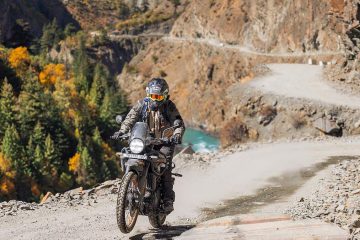
Leading a group bike ride isn’t just about enjoying the open road; it’s about responsibility, safety, and ensuring everyone returns home safely. This isn’t just a leisurely cruise; it’s a coordinated effort demanding planning, communication, and a deep understanding of rider skills and limitations. One wrong decision can have devastating consequences.
Imagine this: you’re leading a pack of ten bikes through winding mountain passes. The sun is setting, the air is crisp, and the scenery is stunning. But a sudden downpour transforms the roads into treacherous ribbons of water. Are you prepared? Do your riders have the skills to handle such conditions? This is where meticulous planning and strong leadership come into play.
This guide, crafted for RidingMoto users and motorcycle enthusiasts alike, delves into the essential strategies and techniques for leading safe and efficient group rides. We’ll explore everything from pre-ride planning and communication protocols to handling unforeseen circumstances on the road. And, of course, we’ll show you how RidingMoto’s unique features can significantly enhance your group riding experience, making every trip smoother, safer, and more enjoyable. RidingMoto’s advanced motorcycle trip planner helps you meticulously plan routes, share them seamlessly with your group, and even track everyone’s location in real time, maximizing safety and minimizing stress.
Let’s get started on your journey to becoming a confident and capable group ride leader.
Section 1: Pre-Ride Planning: The Foundation of a Safe Ride
Before you even fire up your engine, meticulous pre-ride planning is paramount. This stage sets the stage for a smooth and safe journey. Neglecting this crucial step is akin to setting sail without a map – risky and potentially disastrous.
1.1 Rider Skill Assessment: Knowing Your Crew
Before embarking on any group bike ride, assess the skill levels of each rider. Are they experienced touring riders comfortable with various road conditions? Or are they newer riders still developing their skills? Matching the route difficulty to the riders’ capabilities is crucial. Don’t lead a group of novice riders on a challenging off-road trail.
1.2 Route Planning: Choosing the Path to Adventure
Choosing the right route is critical. Utilize tools like RidingMoto’s best GPS for bikers to plan a route that suits the skill levels of your group, considers potential weather conditions, and offers scenic viewpoints without overly challenging terrain. This should include rest stops, gas stations, and potential emergency stops.
1.3 Communication Strategy: The Lifeline of the Group
Effective communication is the bedrock of any successful group bike ride. Beforehand, establish clear communication protocols. Will you use a dedicated communication system (like headsets)? Will you utilize RidingMoto’s in-app messaging? Decide on hand signals for common situations (e.g., slowing down, stopping, hazards).
1.4 Emergency Procedures: Being Prepared for the Unexpected
Unexpected events can occur. Have a comprehensive emergency plan in place. This includes outlining procedures for mechanical breakdowns, medical emergencies, and inclement weather. Ensure every rider knows the plan and has access to emergency contacts.
Section 2: Choosing the Right Riding Formation: Maintaining Safety and Order
The way you structure your group on the road directly impacts safety and efficiency. There are several formations, each with its advantages and disadvantages.
2.1 The Staggered Formation: The Standard for Safety
The staggered formation is widely considered the safest option for group rides, especially on open roads. Riders are positioned slightly offset from each other, creating a buffer zone for reacting to unexpected events.
2.2 The Single-File Formation: For Tight Spaces and Difficult Terrain
The single-file formation is best suited for tight spaces, narrow roads, or challenging terrain. It allows for better control and maneuverability in less predictable conditions.
2.3 Formation Adjustments: Adapting to Changing Conditions
The chosen formation isn’t static. As conditions change (e.g., from open highway to city streets), be prepared to adjust the formation to maintain safety and control. This will require clear communication. The RidingMoto app helps with this, allowing for real-time location updates and instant messaging.
Section 3: Effective Communication During the Ride: Staying Connected and Aware
Communication is not a one-time pre-ride activity; it’s a continuous process throughout the ride. Clear and consistent communication is vital for a safe and enjoyable experience.
3.1 Using Hand Signals: A Universal Language for Riders
Hand signals are essential, especially when communication systems fail or are impractical. Establish a common understanding of hand signals before the ride begins.
3.2 Utilizing Communication Systems: Staying Connected
Communication systems, such as headsets, greatly improve communication and allow for more detailed instructions and warnings. The app can be a handy backup even when using another system.
3.3 RidingMoto’s In-App Communication: Real-time Updates and Group Coordination
RidingMoto provides in-app communication features, letting you send messages, check on rider locations, and coordinate group movements in real-time. This is an invaluable tool for maintaining communication, especially during complex rides.
Section 4: Handling Unexpected Situations: Grace Under Pressure
Even with meticulous planning, unforeseen events may occur. Knowing how to react appropriately is essential.
4.1 Mechanical Breakdowns: Addressing Mechanical Issues on the Road
Mechanical breakdowns are an unfortunate possibility. Have a plan in place for handling these situations, including how to safely pull over, perform basic repairs (if possible), and contact roadside assistance.
4.2 Medical Emergencies: Responding to Medical Issues on the Road
Medical emergencies demand immediate action. Ensure everyone knows basic first aid procedures and how to contact emergency services. Having a designated first aid kit is essential.
4.3 Inclement Weather: Navigating Challenging Weather Conditions
Riding in adverse weather conditions can be risky. Have a plan to adjust the route or seek shelter if necessary. The RidingMoto weather feature gives you real-time updates and warnings to anticipate and avoid dangerous situations.
Section 5: Post-Ride Debrief: Learning from the Experience
Even after the ride concludes, there’s much to be learned.
5.1 Reviewing the Ride: Identifying Areas for Improvement
Conduct a post-ride debriefing with the group to discuss what went well, what could be improved, and how to adapt for future rides. This is a valuable learning opportunity for both the leader and the riders.
5.2 Sharing Feedback: Building on Collective Experience
Encourage feedback from other riders. Their perspectives can highlight areas the leader may have overlooked. Use the RidingMoto platform for collaborative feedback sharing.
5.3 Continuous Learning: Improving Riding Skills and Leadership
Group riding is an ongoing learning process. Continuously improve skills, knowledge, and leadership techniques to create an even safer and more enjoyable experience for everyone.
Section 6: Utilizing RidingMoto for Enhanced Group Riding
RidingMoto is designed to be your all-in-one companion for planning, executing, and reviewing group rides. It empowers you with crucial tools for efficient and safe group bike rides.
6.1 Route Planning and Sharing: Seamless Collaboration
RidingMoto’s intuitive route planner lets you create detailed routes, complete with points of interest, rest stops, and potential hazards. You can easily share these routes with your group, ensuring everyone is on the same page.
6.2 Real-time Tracking and Communication: Keeping Everyone Connected
RidingMoto allows real-time tracking of all riders’ locations, making it easier to manage the group and respond to any emergencies. Its integrated communication features further streamline group coordination.
6.3 Post-Ride Analysis and Data Logging: Learning from Every Ride
RidingMoto provides detailed data logging that tracks the entire ride. This allows for post-ride analysis to identify areas of improvement and optimize future group bike rides. Its intuitive interface means you can easily create custom reports and explore valuable insights from your past rides.
Conclusion: Embracing the Journey, Prioritizing Safety
Leading a group motorcycle ride is a rewarding experience, a testament to shared passion and adventure. But it’s a responsibility that demands respect for safety and a commitment to thorough planning. By following the tips outlined in this guide, and by harnessing the powerful features of RidingMoto, you can significantly enhance the safety and efficiency of your group rides, transforming every journey into an unforgettable memory, free from worry. Download RidingMoto today and begin planning your next epic group motorcycle adventure!
FAQs
What is the ideal group size for a motorcycle ride?
The ideal group size depends on various factors including the experience level of riders, route complexity, and communication capabilities. Smaller groups (4-6 riders) generally allow for better communication and easier management, particularly for less experienced riders or complex routes. Larger groups can be challenging to manage effectively, especially if communication is limited or the route is demanding.
How do I handle a rider who falls behind?
If a rider falls significantly behind, stop at a safe location and assess the situation. Determine the reason for the delay (mechanical issue, fatigue, etc.). Address the problem and ensure the rider is comfortable before continuing. Use RidingMoto’s real-time tracking to monitor the situation and identify stragglers.
What if a rider has a medical emergency during a ride?
If a medical emergency occurs, prioritize immediate action. Assess the situation, provide first aid if trained, and contact emergency services immediately. Use the RidingMoto app to alert other riders and provide location information to emergency responders.
How can I best prepare for inclement weather during a group ride?
Before embarking on a ride, check the weather forecast meticulously and have a contingency plan. If severe weather is anticipated, consider postponing the ride or adjusting the route to avoid exposed areas. RidingMoto’s weather alerts provide real-time updates to help inform your decision-making.
What are some essential items to include in a group ride emergency kit?
An emergency kit should include basic first aid supplies, tools for minor repairs, a tire repair kit, jumper cables, water, snacks, and reflective safety gear.
How can I ensure effective communication within a large group?
For larger groups, using a communication system (like headsets) is vital. Establish clear communication protocols beforehand, assign roles and responsibilities for communication, and use the RidingMoto app for backup communication.
What are the advantages of using RidingMoto for group rides?
RidingMoto offers several benefits including advanced route planning, real-time tracking of riders, seamless communication, and post-ride analysis, improving safety and coordination throughout the entire ride. Its integration with leading GPS systems and weather services provides additional security and peace of mind.
How do I choose the right route for my group’s skill level?
Carefully assess your group’s riding experience. Start with simpler routes for beginners and progressively increase the difficulty as their skill levels improve. Use RidingMoto’s route planning features to select routes that match your group’s abilities, considering factors like road conditions, terrain, and traffic.
What is the best way to maintain group cohesion during a long ride?
Plan for regular breaks and stops to avoid rider fatigue and allow for social interaction. Establish clear communication protocols and ensure everyone understands the route and plan. Use RidingMoto’s features to maintain contact and boost morale.
How can I make my group rides more enjoyable and memorable?
Plan scenic routes, choose destinations that align with your group’s interests, and encourage riders to participate in the planning process. Build camaraderie through social interaction, storytelling, and shared experiences. Use RidingMoto’s photo and video sharing features to make memories last!
You can follow us on
Facebook | Twitter | Instagram | LinkedIn | Pinterest | YouTube
By: RidingMoto Rider