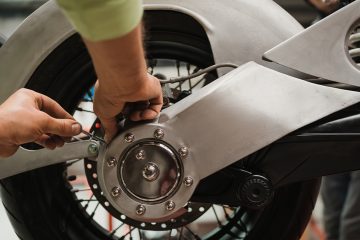
Safety Tips for Riders: Whether you’re adding a screaming exhaust, upgrading your suspension, or boosting horsepower, major bike modifications offer a thrilling way to personalize your ride and enhance performance. But with great power comes great responsibility. Improper modifications can drastically compromise your safety, turning your dream machine into a potential hazard.
This isn’t just about avoiding a ticket; it’s about safeguarding your life and the lives of others. This comprehensive guide from RidingMoto, your ultimate companion for planning epic motorcycle trips and staying connected on the road, will equip you with the knowledge and insights needed to make safe and responsible modifications to your motorcycle. We’ll explore various aspects of bike modification, from the technical intricacies to the crucial safety considerations, all while highlighting how RidingMoto’s features can enhance your riding experience, even with a modified machine.
Imagine this: you’ve poured your heart and soul (and a significant chunk of your savings) into customizing your bike. You’ve installed a high-performance engine, upgraded the brakes, and even added a custom paint job. You’re ready for the ride of your life. But what if, during your first post-modification ride, a seemingly minor issue turns into a major safety concern? This is why understanding the implications of your modifications is paramount. Using RidingMoto’s advanced features, you can plan your routes meticulously, ensuring you’re on roads suitable for your modified bike’s capabilities. Our integrated GPS navigation, designed specifically for bikers, helps you avoid challenging terrains that could exacerbate any potential issues stemming from your modifications.
This isn’t just another generic guide; we’re delving into the nitty-gritty, providing real-world examples and expert insights to help you navigate the exciting yet challenging world of motorcycle modifications safely and responsibly. Let’s embark on this journey together.
1. Safety Tips for Riders: Understanding the Legal Landscape of Motorcycle Modifications
Before even thinking about wrenching on your bike, you must understand the legal ramifications of your modifications. Regulations vary significantly from state to state and even country to country. Some modifications, like aftermarket exhausts, are strictly regulated, while others might fall into a gray area. Ignoring these regulations can lead to hefty fines, license suspension, and even impoundment of your motorcycle.
It’s crucial to consult your local Department of Motor Vehicles (DMV) or equivalent authority for precise details on what’s permitted in your region. Regulations often cover noise levels (decibels), emissions standards, and even the type of modifications allowed. For example, some areas strictly regulate modifications that increase engine power beyond a certain threshold. This legal research is the first and most important step in any modification project.
2. Engine Modifications: Power and Responsibility
Modifying your engine, whether it’s through turbocharging, supercharging, or simply upgrading internal components, significantly impacts your bike’s performance. More power means increased acceleration and top speed, but it also exponentially increases the risks. This increase in power necessitates upgrades in other areas to maintain safety.
Braking System Upgrades:
Increased power demands a more robust braking system. Upgrading your brake calipers, rotors, and brake lines is crucial to ensure you can safely bring your bike to a halt, even at high speeds. Failure to do so could lead to catastrophic braking failure during an emergency stop.
Suspension Tuning:
A more powerful engine can lead to greater stress on the suspension. Upgrading the suspension components – shocks, springs, and forks – is vital for maintaining stability and control, particularly during cornering and braking. Improper suspension can lead to unpredictable handling and loss of control.
Tire Selection:
Your tires are your primary point of contact with the road. Upgrading to performance tires designed to handle the increased power and torque is crucial. Using unsuitable tires could lead to reduced grip, increased risk of skidding, and potential loss of control.
3. Exhaust System Modifications: Sound and Safety
Aftermarket exhausts are a popular modification, offering improved performance and a unique sound signature. However, excessively loud exhausts can be a serious nuisance to others and might even be illegal in your area. Furthermore, poorly designed exhaust systems can negatively impact engine performance and even cause damage to the engine.
Noise Pollution:
Check your local noise ordinances. Excessively loud exhausts can result in fines and legal action. Consider using a decibel meter to measure the noise levels of your modified exhaust.
Engine Performance:
While some exhaust upgrades can improve engine performance, others can negatively impact it. A poorly designed exhaust system can restrict exhaust flow, reducing engine power and fuel efficiency.
Back Pressure:
Exhaust systems regulate back pressure, which is crucial for engine efficiency. Improper back pressure can cause engine damage. Consult a professional mechanic to ensure the modifications are optimized for your specific engine.
4. Suspension and Handling Upgrades: Cornering Confidence
Modifying your motorcycle’s suspension can drastically improve handling and rider comfort. However, ill-advised upgrades can lead to unstable handling and potential accidents.
Fork Upgrades:
Upgrading forks can enhance responsiveness and stability during cornering. However, it’s crucial to choose forks with the correct spring rate and damping for your weight and riding style.
Shock Absorbers:
Shock absorbers absorb bumps and maintain tire contact with the road. Inappropriate shock absorber selection can lead to a harsh ride and reduced control, especially during aggressive cornering or on uneven surfaces.
Geometry Changes:
Changing your bike’s geometry through modifications like lowering kits or raked forks can significantly alter handling characteristics. Such changes often require careful tuning and expertise to avoid compromising safety.
5. Electrical System Modifications: Lighting and Electronics
Modifying your motorcycle’s electrical system, while seemingly simple, can introduce significant safety risks if not done correctly. Improper wiring can lead to short circuits, electrical fires, and even complete electrical failure.
Lighting Upgrades:
Upgrading to brighter headlights and auxiliary lighting can improve visibility, especially at night. However, it’s crucial to ensure proper wiring and compliance with local lighting regulations.
Electrical Accessories:
Adding accessories like heated grips, GPS devices, and additional gauges requires careful planning of the electrical system’s capacity. Overloading the system can lead to overheating and potential fires.
Wiring and Connections:
Always use proper connectors and follow safe wiring practices. Improper wiring can cause short circuits, fires, and malfunctioning electrical components.
6. Braking System Upgrades: Stopping Power and Control
Your braking system is your primary safety feature. Modifying or upgrading it requires expertise and attention to detail. Improper braking upgrades can lead to reduced stopping power, brake fade, and even brake failure.
Brake Calipers:
Upgrading brake calipers can provide improved clamping force, but they need to be matched to the appropriate rotors and brake pads. Using incompatible components can lead to reduced braking performance.
Brake Rotors:
Larger or more advanced brake rotors offer increased braking surface area, improving stopping power. However, they must be matched to the calipers and brake pads for optimal performance and safety.
Brake Lines:
Upgrading to braided steel brake lines can improve brake feel and responsiveness. However, improper installation can lead to leaks and brake failure.
7. Pre and Post Modification Inspections: Professional Expertise
Before and after any major modifications, it’s crucial to have your motorcycle thoroughly inspected by a qualified mechanic. This professional inspection ensures that all modifications have been installed correctly, safely, and legally.
Pre-Modification Inspection:
A pre-modification inspection helps identify potential issues with your existing components and ensure they can withstand the added stress of the modifications.
Post-Modification Inspection:
A post-modification inspection confirms that all modifications have been correctly installed and that there are no safety concerns. It helps to identify and rectify any potential problems before you hit the road.
Conclusion: Riding Safely with Confidence
Modifying your motorcycle can be an incredibly rewarding experience, allowing you to personalize your ride and enhance its performance. However, it’s crucial to prioritize safety above all else. By understanding the legal implications, potential risks, and the importance of professional expertise, you can significantly reduce the chances of accidents and ensure a safer riding experience.
Remember, your motorcycle is more than just a machine; it’s an extension of yourself. Take the time to understand your modifications thoroughly, and always prioritize safety. Using RidingMoto can help you plan safer and more enjoyable routes, utilizing its features like our advanced motorcycle trip planner and best GPS for bikers. Our app helps you find the perfect roads for your upgraded bike, avoiding challenging terrains until you’re confident in its handling.
Download RidingMoto today and start planning your next adventure, confident in your knowledge and prepared for the road ahead. Remember, safe modifications lead to safe rides.
FAQs
Are all motorcycle modifications illegal?
No, not all motorcycle modifications are illegal. However, many modifications are subject to regulations, particularly those affecting noise levels, emissions, and safety. It’s crucial to check your local DMV or equivalent authority for specific regulations in your area.
How can I find a qualified mechanic for motorcycle modifications?
Look for mechanics specializing in your motorcycle’s make and model. Check online reviews and ask for recommendations from other riders. Reputable mechanics will have experience with the specific modifications you’re considering and can offer guidance on safety and compliance.
What is the best GPS for bikers?
While many GPS devices are available, RidingMoto offers a specifically designed motorcycle GPS with features tailored to the needs of bikers. Our app provides turn-by-turn navigation, route optimization, and integrates with other essential features for planning your motorcycle trips.
How does RidingMoto help with planning motorcycle trips after modifications?
RidingMoto’s advanced route planning features allow you to select roads that are appropriate for your modified motorcycle’s capabilities. You can input factors like road type and surface conditions, ensuring your route avoids challenging terrains that could compromise safety.
Are there any specific safety precautions I should take after installing a new exhaust?
Always ensure the exhaust is correctly fitted and securely fastened. Check for leaks and ensure the exhaust doesn’t interfere with other components. Verify the exhaust complies with noise regulations in your area. A post-modification inspection by a mechanic is highly recommended.
What should I do if I experience problems with my motorcycle after modifications?
If you experience any problems, immediately stop riding and contact a qualified mechanic. Do not attempt to fix the problem yourself unless you have the necessary expertise.
Can I insure my modified motorcycle?
Most insurance companies will insure modified motorcycles, but you’ll likely need to disclose the modifications. Failure to disclose modifications could invalidate your insurance coverage. Contact your insurance provider to discuss the implications of your modifications on your insurance policy.
How often should I have my motorcycle inspected after modifications?
Regular inspections are recommended. The frequency will depend on the type and extent of modifications. An initial inspection after the modifications are installed is crucial. After that, schedule regular servicing with a mechanic.
How can RidingMoto help me find suitable workshops for motorcycle repairs and modifications?
RidingMoto doesn’t directly provide workshop recommendations; however, our community forums allow you to interact with fellow riders, potentially leading you to recommendations for trusted mechanics and workshops in your area.
What are the potential consequences of not following safety guidelines when modifying my motorcycle?
Failing to follow safety guidelines during motorcycle modifications can lead to various serious consequences, including: accidents causing injury or death, legal issues such as fines or license suspension, and costly repairs or even total loss of your motorcycle. Prioritizing safety is always the best approach.
You can follow us on
Facebook | Twitter | Instagram | LinkedIn | Pinterest | YouTube
By: RidingMoto Rider