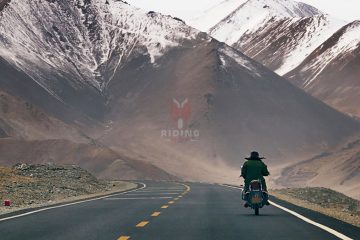
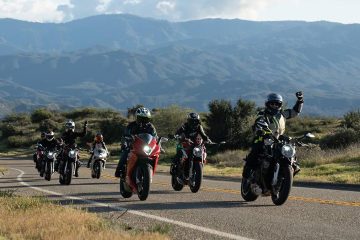
Welcome back to our guide to riding the most dangerous roads. However, in today’s blog, we’ll not cover any location; we’ll sum up our journey, which we have covered in our previous blog. Here, we’ve covered three dangerous motorcycle roads: Bolivia’s Death Road, Dalton Highway, and Karakorum Highway. All three roads are notorious and take hundreds of riders’ lives yearly.
In a nutshell, this will be a sum up of each blog and suitable for those riders who can’t go through our previous blogs, world’s most dangerous roads, Stage 1: preparation and guide, Stage 2: riding on Bolivia’s death road, Stage 3: Alaska’s Dalton highway, and last but not least, Karakoram highway.
Preparation and Riding Guide for Navigating the Most Dangerous Roads
We all understand that an unplanned trip won’t take long to become the worst experience of life. I have been riding for over two decades now, and one thing that I always make sure of is to pre-plan my trip with all the necessities.
Designated as the World’s Most Dangerous Roads, these difficult stretches of roadway, for example, the high-altitude mountain roads of the Himalayas, China Guoliang Tunnel Road, and Bolivian North Yungas Road impose the greatest demand for both technical proficiency and physical toughness.
Each of these iconic routes presents its unique hazards, from narrow, winding passages and sheer cliffs to unpredictable weather conditions. What makes them even more thrilling is their ability to immerse riders in landscapes that are both breathtaking and perilous. Yet, conquering such roads is no small feat and requires preparation, respect for the terrain, and mental strength to navigate unexpected challenges.
For example, the Himalayas are famous for their untamed landscape and very high elevation, both of which require physical and mental strength. Guoliang Tunnel Road, which is made in the mountain wall, challenges a motorcyclist’s accuracy and concentration within its small, confined grips. And, naturally, the notorious North Yungas Road of Bolivia, also called the “Death Road,” combines hairpin turns, foggy rock faces, and muddy turns (a ride requiring technical proficiency and guts in equal doses).
The Lessons of the World’s Toughest Roads
One common theme across all these roads is preparation. Riders need to study the ground, pack the required equipment, and make sure their motorbikes are at the top level of performance before they set off. Just as important is the requirement for maintaining mental acuity and flexibility. Every road is a lesson in the delicate balance between the thrill of adventure and the threat of risk, urging riders to respect the forces of nature and the challenges of the journey.
There is beauty in these scary roads, roads that are not only physical tests of ability but also chances for personal development. They require patience, discipline, and the capacity to value the process itself and not just its endpoint. No matter if you’re turning the hairpin on a mountain road or are riding on an empty, deserted highway, there is an opportunity to be deeply immersed in the landscape.
Based on these reflections and the stories of our other blog posts, such as conquering the Bolivia Death Road and surviving the Alaskan stretches of Alaska’s Dalton Highway, we will certainly feel better prepared for riding the world’s most dangerous roads around the globe.
Honestly, motorcycle travel is more than just riding—it’s a journey that connects you with the road, the environment, and your sense of courage and resilience. The most hazardous roads in the world challenge not only your riding ability but also your ability to improvise, stick to the job, and turn challenges into enjoyment. Prepared well and with an attitude of respect for the road, these journeys become tales to keep forever.
Conquering the World’s Most Dangerous Roads: A Rider’s Ultimate Challenge
World’s Most Dangerous Roads blog states that some roads are special in that they set a challenge that even the most experienced bikers think long and hard (if they’re thinking at all) about how to complete the task. From the high-steep rough tracks of the Himalayas to the tight cliff-edge roads in Bolivia, these roads are no stroll in the park.
Why These Roads Are Considered Dangerous
Motorcyclists travelling on these roads routinely encounter life-endangering situations, narrow and winding roads, sheer drops, unpredictable weather, and, not infrequently, insufficient barriers. That is, to grasp the risk, it is worth having a look at some of these roads.
1. The Himalayas: High Altitude and Rugged Terrain
The Himalayas provide one of the most spectacular and hazardous motorcycle rides around the world. Riders are subject to travel on roads situated atop heavily sloped mountain cliffs, which are often partially obscured by fog or mist. The height and steepness of these roads limit visibility. Air at high altitudes is sparse and makes the ride dangerous for both riders and motorcyclists.
Not only is the road tough and unpredictable, but the unpredictable weather also makes the road more dangerous. Himalayan roads are also notoriously known for snow, mudslides, and heavy rainfall. Here, the secret to riding on Himalayan roads safely is to be ready for every sudden atmospheric change in weather, ride unflinchingly with a steady speed, and constantly look around.
2. North Yungas Road, Bolivia: The “Death Road”
Perhaps the most infamous of the world’s dangerous roads, the North Yungas Road in Bolivia is known as the “Death Road” due to its narrow lanes, cliffs, and frequent rockfalls. The road twists its way through the Andes, and there are stretches where it’s barely wide enough for a car. Many parts of the road are unpaved, adding to the risk of slipping and losing control, especially in wet conditions.
The altitude along the North Yungas Road fluctuates wildly, and conditions can change rapidly and unexpectedly, posing a much greater risk. There are, however, thousands of riders and thrill-seekers who still dare to face this road each year. To ride on the death road, it’s essential to plan your ride carefully, travel with a group, and always be prepared for sudden weather changes.
The Key to Conquering Dangerous Roads
Conquering these treacherous roads is no small feat. It requires more than just technical riding skills—it’s about mental preparation, proper planning, and a healthy dose of respect for the road ahead. Here are the critical factors that will help you tackle these dangerous routes with confidence:
1. Thorough Preparation: Know Your Terrain
Even before you start to consider approaching the most hazardous road in the world, it is essential to know what you are going to be dealing with. Research the route thoroughly, study maps, and look for any traveller insights or blog posts from others who’ve taken the same path. The best way to know the maximum about the route is to install a rider’s platform, such as RidingMoto. Understanding the road ahead—whether it’s a hairpin curve or a section prone to landslides—will allow you to plan for the challenges you might face.
In particular, make sure to
- Check weather forecasts: There is potential for changes in the weather to occur rapidly, such as in mountainous settings. Thus, it is necessary to understand the likelihood of rain/snow/heat waves.
- Be aware of road conditions: Some roads may be gravel or unpaved, making them slippery, while others may have loose debris or rocks.
- Know your limits: These roads can be challenging for certain users or vehicles. Being able to gauge your comfort level and the performance of your motorcycle plays an important part in the maintenance of a safe ride.
2. Proper Gear and Equipment: Gear Up for Safety
Driving on risky surfaces means you need to be laced with full-body gears and the right equipment to avoid any unwanted situations. With over two decades of experience, I know one thing: Wearing riding gear is not about fashion or comfort. It’s about safety. A few key items to include in your riding gear are as follows:
- Helmet: Protective gear for your head, in the form of a high-quality, complete-face helmet, is very important. Select one that is adequately ventilated for heat and comfort during extended rides.
- Protective clothing: Wear protective jackets, pants, and gloves made with strong materials (e.g., leather or textile) that can protect you from abrasions.
- Riding boots: Select boots with a good level of protection and comfort that provide enough ankle support and traction for the terrain.
- Hydration pack: On long, isolated rides, a water source can be lifesaving. Wear a hydration pack so as to be well-hydrated, particularly during high-field rides such as riding the Himalayas.
3. Mental Preparation: Stay Focused and Calm
Mental preparation is at least as important as physical preparation under hazardous road conditions. The environment will constantly challenge you, and it’s easy to become overwhelmed. It’s essential to:
- Stay calm and composed: Riding on challenging roads can be stressful. Slow down, breathe deeply, and stay steady, especially during sharp turns or bumpy road sections.
- Ride at a steady pace: Don’t rush the journey. Gentle and calm locomotion keeps control and enables interaction with any abrupt change in the environment.
While you may be an experienced rider, it’s important not to take unnecessary risks. Be vigilant of road conditions, weather, and motorcycle performance.
4. Respect the Local Culture and Conditions
When tackling roads like the North Yungas Road or routes through remote regions, it’s essential to respect the local culture and conditions. Learn about the history of these roads and how they are used within the local community. In certain areas, the roads are more than just streets; they are lifelines for the community, and it matters to be appreciative when traveling through them.
Riding on some of the world’s most dangerous roads is an unforgettable experience—one that combines adrenaline, adventure, and the beauty of challenging terrain. However, it’s also a responsibility. Through careful preparation, following the rules of the road, and staying calm and focused, you can overcome the most hazardous of rides. Whatever it is, the tricky winding of the Himalayas, the winding road of the Guoliang Tunnel, and the sheer drops of the North Yungas Road, each of these roads is a test of the skills and the courage – and if approached in the right way, one comes out on top and conquered the ultimate riding challenge.
Tackling the Bolivia Death Road: A True Adventure
No discussion about challenging motorcycle routes would be complete without mentioning the infamous Bolivia Death Road, a route that has earned its notorious reputation for a reason. The blog in question, “Conquering the Bolivia Death Road Adventure, noted that this road is not only risky but also one of the most exciting and beautiful scenic road experiences for experienced motorcycle riders. Residing in the Bolivian mountains, the North Yungas Road (also called the “Death Road” is approximately 43 miles long and drops down from the highlands to the basin of the Amazon, almost 12,000 ft.
Why the Bolivia Death Road Is So Dangerous
The reason that the Bolivia Death Road is one of the most dangerous roads in the world is the perfect mix of difficult elements that the bikers have to battle through. The road, frequently blanketed in a heavy fog, is infamous for its sheer drops and tight bends. Just one wrong step could be thrown over the edge of a cliffside, which is no wonder this road has been given that infamous name.
1. Treacherous Terrain and Sharp Bends
Due to the roadway’s narrow, sinuous route, which fits two cars side by side, one bank does an impressive scale, and the other plunges precipitously into the ravine. The angle curves are not favourable for the riders to predict what is next to the turn, which increases the stress level. Combined with no guardrails and the ever-present cliff, even the smallest loss of concentration can be a fatal mistake.
2. Slippery Conditions and Unpredictable Weather
The road is normally covered in mud, particularly in the rainy season; it is slippery and dangerous. There are frequent mudslides and rock falls, and riding over such terrain involves a certain degree of accuracy and unchanging course control. The weather in this area is capricious, with rough storms and changes in temperature from minute to minute. Fog often sets upon the road, making it difficult to see and, therefore, another issue for people who ride and are trying to turn the corners.
3. Lack of Road Safety Infrastructure
Although attempts to upgrade the road have been made, large sections continue to be in a desperate state, with crumbling pavement and rutted sections that create additional impasses. The road has been used for decades, and even with current efforts to create safer alternatives, many riders still ride it for the thrill and the adrenaline surge. Because of the absence of guardrails and the limited number of signs, riders must rely primarily on experience and intuition to avoid accidents.
The Adventure and Reward of Conquering the Death Road
Underneath the risks, the Bolivia Death Road draws riders from all over the world wanting to challenge themselves and test their bravery. The road’s notoriety as one of the world’s most perilous drives only serves to enhance its mystique. However, it is a walk not to be undertaken without care. Riders have to go to it with care, respect, and a good idea of what they are facing.
The Sense of Accomplishment
Riding the Bolivia Death Road is about more than just conquering the physical road itself; it’s about the sense of accomplishment that comes with overcoming one of the world’s most challenging routes. The view, combined with the excitement of finishing the trail, is unique. Descending from the high-altitude Andes Mountains to the lowland Amazon Basin, one is presented with some of the most beautiful and varied areas on Earth. The high cliffs, winding paths, and dense forest give the road an almost mystical quality, making every turn a new visual delight.
Key Tips for Riding the Bolivia Death Road
- Do Your Research: Before starting, be aware of the conditions of the road. Check the weather forecast and try to find the latest travel reports from those who just travelled along that route.
- Ride in a Group: Riding in groups is generally safer, particularly on hazardous roads. Riding in a group means you can bring the experience together, to look out for each other, and to have help just in case of an accident.
- Prepare Your Bike: Make sure your motorcycle is equipped to handle rough terrain. Check your brakes, tyres, and suspension to ensure they’re in top shape. Always have basic tools and a repair kit on hand in case of breakdowns.
- Wear Protective Gear: Acquire protective gear, such as a full-face helmet, strong gloves, riding jacket, knee protection, etc. Because of the road’s rough nature, any fall can lead to serious harm, so you should always ride properly protected.
- Stay Calm and Focused: The Bolivia Death Road is a daunting one, particularly for the many-time riders. The most important thing is to keep calm, to concentrate, and not to lose your head. Take your time, and if needed, stop and take a break to regain your composure.
Riding the Bolivia Death Road is not just a ride; it’s a challenge to your courage, skills, and mental strength. The road design features sudden curves, unpredictable weather, and precarious cliffs, making it one of the world’s most dangerous pieces of road. Still, for the brave soul, it provides a singular and stunning experience to those who dare take it on.
Approach this road with respect, preparation, and caution, and you’ll be rewarded with a sense of accomplishment that few riders will ever experience. Whether you’re a seasoned adventurer looking for your next thrill or a motorcyclist seeking to conquer one of the world’s most legendary roads, the Bolivia Death Road promises to deliver both the adventure of a lifetime and a test of your riding prowess.
The Dalton Highway: Alaska’s Ultimate Ride
As we mentioned in our blog, this 414-mile section of rugged country is not for those with butterflies. It provides a thrilling and solitary experience that challenges both your strength and your intellect. Reaching the top of the Arctic Circle, the Dalton is famous for its remoteness, its harsh weather, and its lack of facilities. Still, for the intrepid who are prepared to face its ramifications, there is a chance for a truly unique experience.
What Makes the Dalton Highway So Dangerous
The Dalton Highway is not your average road trip. It is famous for its unforgiving isolation and variable weather conditions, which affect the rider’s ability to face its most serious challenge.
1. Extreme Weather Conditions
Weather is one of the biggest difficulties when riding the Dalton. Temperatures can go to levels much below freezing, depending on what time of riding you choose. Weather can remain unpredictable, even in summer, with snowstorms and freezing rain seemingly showing up “out of nowhere” and high winds. Throughout the winter, riders are left in near-total darkness for prolonged periods, whereas summer offers long days and very little daylight. Because of the incessant changes in weather conditions, the Dalton ride is always a frightening proposition.
2. Icy and Treacherous Road Surfaces
The Dalton is notorious for its icy conditions. During winter, the road may be covered with ice and snow, thus rendering it slippery and challenging to drive on. Even in the summer months, sections of the highway are prone to frost heaves, which can cause the road to buckle and create sudden obstacles. Riders must remain vigilant at all times, as ice patches can form unexpectedly, and uneven surfaces can make riding challenging.
3. Lack of Services
In contrast to the majority of highways, the Dalton has very deep isolation, as is the case for the services provided along the route; they are sparse and infrequent. In some parts, there will be no gas stations, no restaurants, and no places to take a break for a hundred miles. The absence of infrastructure forces the passengers to travel fully armed with all materials for their survival on the trip. Carry fuel, food, water, and emergency supplies with you to avoid any unwanted situations.
The Ride Itself: Embrace the Isolation and Beauty
Riding the Dalton Highway is not just the challenge of conquering a difficult route; it’s also about being honest with one’s sense of isolation and the primitive wildness of the Alaskan wilderness. Moving across the barren landscape, you will experience some of the most pristine, stunning scenery in the world. From the panoramic perspective of the Brooks Range to the clean-cut white expanse that dominates the horizon for miles in all directions, there is an untamed grandeur that is rare to encounter.
However, with this beauty comes the necessity to remain focused. Due to the inadequacy of resources and the distance of the highway, it is crucial to maintain concentration and refrain from distraction. The vast wilderness offers little in the way of landmarks or shelter, so it’s essential to keep your bearings and stay mindful of the road ahead. While it might be tempting to pause for photos or enjoy the scenery, remember that the Dalton is a challenging ride that requires your full attention.
Challenges Along the Way
The Dalton Highway is long, and it is a tough way to travel, but it’s not just about the trip. Riding through riders will face the following types of challenges during their course.
- Wildlife: Be prepared for wildlife interactions, such as moose, bears, and other wildlife that live in the area. Be constantly on the lookout because animals can appear out of the blue.
- Mudslides and Gravel: The Dalton is infamous for its rough sections of gravel, and mudslides are frequent occurrences, especially with heavy rains. It is important to have a steady grip and accurate steering control on the bicycle so that the bike does not lose traction.
- Rugged Terrain: There are sections of the road that are extremely bumpy, with an uneven surface and potholes. During the cold season, these may freeze over and create unsafe road conditions for the ride.
- Isolation: This is one of the most remote sections of road in the U.S., so be sure to be mentally prepared for lack of isolation. When things go wrong, help is miles away.
The Dalton Highway is a true test of endurance, skill, and bravery for any rider. The unpredictable weather, icy roads, and lack of services mean that it is not a ride to be taken lightly. Nevertheless, with sufficient resources and willingness to tackle the task, it is one of the most fantastic and unusual motorcycling experiences in the world.
This 414-mile route into the Alaskan wilderness is not only a road but an expedition that lets you be soaked in the eerie solitude of the Arctic and the adrenaline rush of driving on one of the last and most remote highways in the world. Whether you’re a seasoned rider or an adventurer looking to push your limits, the Dalton Highway is the ultimate ride that promises an unforgettable experience.
Conclusion:
Ultimately, the allure of these roads lies in their ability to push boundaries, create unforgettable memories, and offer a sense of achievement once conquered. However, safety must always be a priority, with riders needing to equip themselves with the right gear, knowledge, and mindset. As the journey continues on these perilous paths, it’s clear that the most dangerous roads are not just about reaching a destination—they’re about embracing the challenges that come with the ride itself.
FAQ’s:
What makes a road considered one of the world’s most dangerous?
Roads can be deemed dangerous due to factors like sharp curves, steep gradients, extreme weather conditions, high traffic volume, poor infrastructure, or natural hazards like landslides and avalanches.
Which countries have the most dangerous roads?
Countries like Bolivia, India, Nepal, China, and Russia are known for having some of the most dangerous roads due to their challenging terrain and unpredictable weather conditions.
What are some of the most notorious roads for motorcyclists?
Roads like the North Yungas Road in Bolivia, the Guoliang Tunnel Road in China, and the Stelvio Pass in Italy are often cited as some of the most dangerous for motorcyclists due to their steep inclines, narrow paths, and lack of guardrails.
How can riders stay safe on dangerous roads?
Riders can stay safe by wearing proper protective gear, maintaining their bike in top condition, riding at a controlled speed, staying alert for hazards, and checking weather conditions before embarking on their journey.
Are there any specific safety measures for motorcyclists on these roads?
Motorcyclists should always wear high-visibility gear, use appropriate tires for the terrain, keep a safe distance from other vehicles, and, if necessary, avoid riding in harsh weather conditions like rain or fog.
Why are some roads so difficult to navigate on a motorcycle?
Roads may be narrow, winding, or poorly maintained, creating challenges for riders in terms of stability and control. The presence of loose gravel, wet surfaces, or blind corners can also increase the risk.
Which is considered the deadliest road in the world?
The North Yungas Road in Bolivia, also known as “Death Road,” is often considered one of the deadliest, with its narrow lanes, extreme cliffs, and unpredictable weather patterns.
What can motorcyclists expect during a ride on a dangerous road?
Riders can expect sharp turns, treacherous weather conditions, unexpected obstacles, limited visibility, and, in some cases, heavy traffic or poorly maintained surfaces.
How do the world’s most dangerous roads impact local communities?
These roads are vital for connecting remote areas, but they can pose risks to local residents, leading to frequent accidents and limiting access to medical and emergency services.
Are there any roads that have been made safer over time?
Some roads, like the Guoliang Tunnel Road in China and the Road of Death in Bolivia, have been improved with the addition of guardrails, better signage, or re-engineered surfaces to make them less hazardous. However, many remain risky due to natural challenges.
You can follow us on
Facebook | Twitter | Instagram | LinkedIn | Pinterest | YouTube