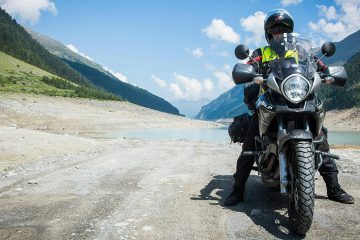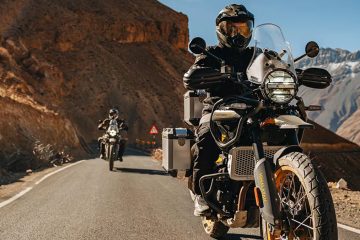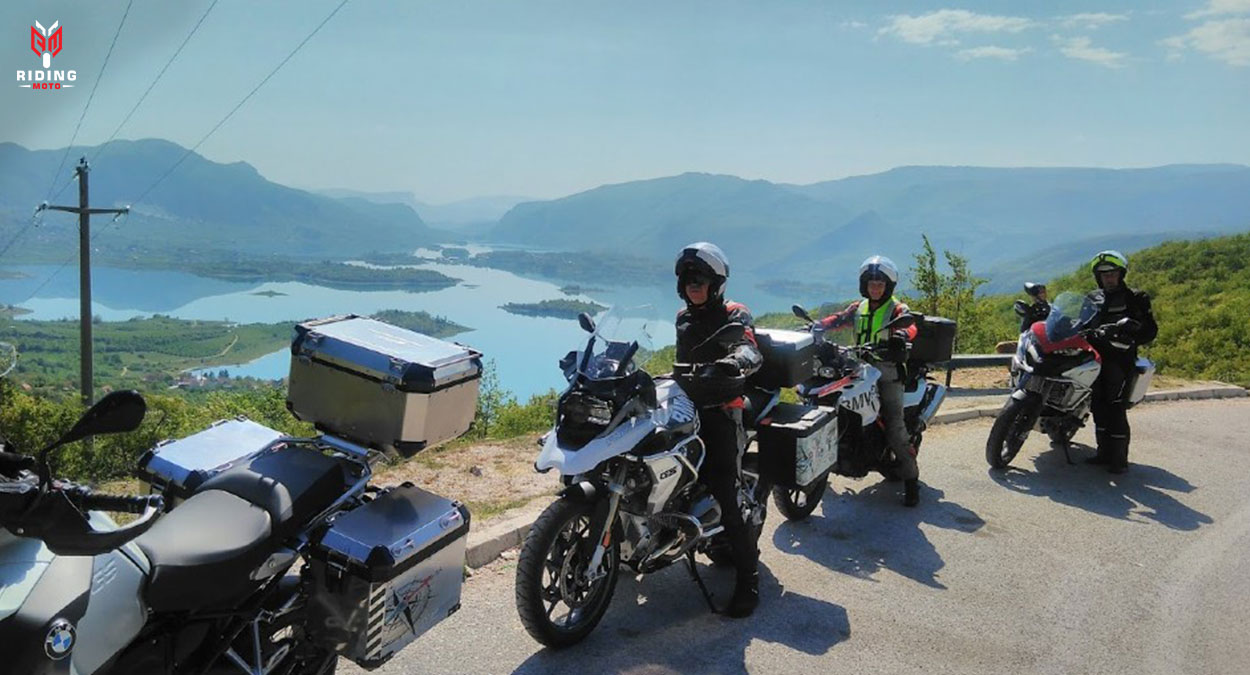
From the twisty alpine passes of Switzerland to the rugged coastal roads of Portugal, riding through Europe is a dream for many motorcyclists. But before you fire up your engine and hit the scenic routes, it’s crucial to prepare yourself with the right knowledge.
In this blog, we’ll dive into essential Tips for European Riders, whether you’re planning a cross-country tour or a weekend ride in the hills. You’ll also learn advanced Riding Techniques for Mountain Roads, helping you stay safe and confident on sharp curves, steep inclines, and unpredictable weather conditions.
Tips For European Riders | 7 Must-Know Tips
If you’re serious about enjoying your European motorcycle journey while avoiding rookie mistakes, keep reading—you won’t want to miss these expert insights.
1. Know the Local Laws — They Vary More Than You Think
One of the most essential yet often overlooked Tips for European Riders is understanding and respecting the unique traffic laws in each country. Unlike other continents, Europe is a mosaic of nations, each with its own driving regulations, safety equipment mandates, speed limits, and even toll rules. What’s completely legal in Spain might get you fined in Austria.
Take France, for example: it’s legally required to carry a high-visibility vest (for emergencies) and a breathalyzer kit in your panniers. In Italy, you’ll encounter ZTL (Zona Traffico Limitato) zones—restricted areas where motorbikes are only allowed during certain hours or not at all. Meanwhile, Germany’s Autobahns may be famous for their lack of speed limits in some areas, but lane discipline is enforced strictly. Overtaking without signaling or sitting in the left lane unnecessarily can lead to hefty fines and even license penalties.
Moreover, helmet laws, headlight use in daylight, and motorway tolls also differ across borders. Not knowing the local rules can not only spoil your ride but also get you entangled in legal issues.
Quick Tip: Before entering a new country, spend 10–15 minutes checking the country’s official road safety guidelines. Save a copy of mandatory gear checklists on your phone and always carry:
- Valid motorcycle license (with IDP if needed)
- Vehicle registration documents
- Proof of insurance
- Emergency contact information
Being prepared with legal essentials is one of the smartest moves for a hassle-free ride across Europe.
2. Master the Art of Cornering: Riding Techniques for Mountain Roads
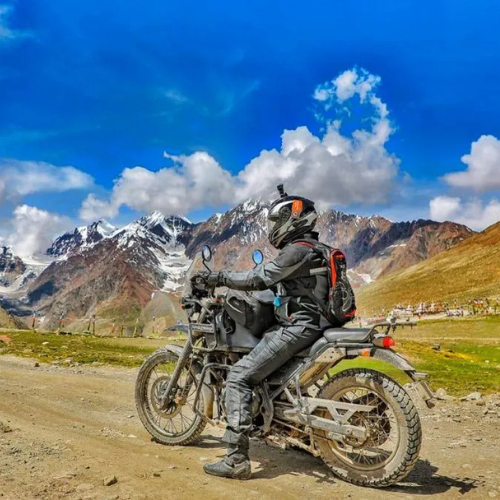
Europe’s mountainous regions—from the majestic Alps to the remote Scottish Highlands offer some of the most exhilarating riding experiences in the world. But with great views come great responsibilities. That’s why mastering specific Riding Techniques for Mountain Roads is critical, not just for performance but for your safety.
Unlike city roads, mountain terrain throws everything at you: tight switchbacks, steep inclines, gravel patches, sudden drops, and unpredictable traffic, including trucks and cyclists. Many accidents on these roads happen not due to speeding, but because riders fail to adapt their riding style to the terrain.
Here are three fundamental riding techniques or tips for European riders every mountain rider must learn:
- Look through the turn, not at the edge: Fixating on the edge or a cliff drop can cause “target fixation,” where your bike unintentionally follows your gaze. Instead, keep your eyes focused on where you want to go—the exit of the turn. This improves your line and helps you ride smoother through curves.
- Downshift before entering curves: Shifting gears mid-turn can destabilize your bike. Instead, shift down and brake before entering the curve, allowing you to accelerate through the bend while maintaining full control smoothly.
- Use both brakes strategically: On steep descents, your front brake does the heavy lifting, but overuse can cause it to fade. Practice progressive braking, where you apply pressure gradually, and mix it with engine braking for a more controlled descent.
Also, keep your body relaxed and lean with the bike, not away from it. This is especially important during hairpins or when maneuvering through tight corners.
Honing these riding techniques for mountain roads and tips for European riders will not only let you enjoy the ride more but also significantly reduce risk on some of Europe’s most thrilling routes.
3. Gear Up Smart — Function Over Fashion
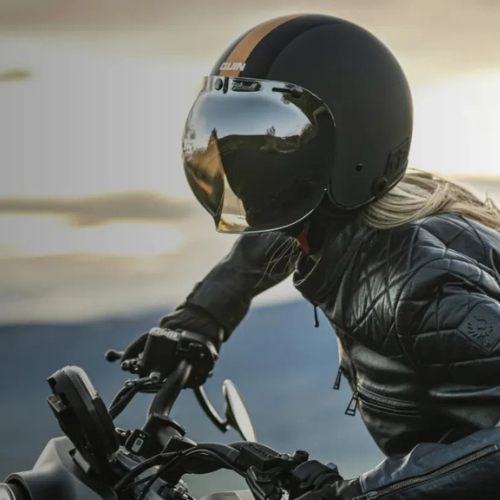
Apart from tips for European riders, riding gear is also important. When you’re riding through multiple European countries and terrains, your gear is your best defense against the elements and potential road rash. While it’s tempting to prioritize style, seasoned riders know that function always comes first.
For long-distance and mountain rides, invest in all-weather, breathable riding gear. Look for jackets and pants with:
- CE-certified armor for elbows, shoulders, knees, and back
- Waterproof and windproof layers
- Ventilation zippers for breathability in warmer regions
- Thermal liners for cooler altitudes
Gloves should offer both grip and protection, especially when navigating cold mountain passes where numb fingers can affect your control. Your boots should cover the ankles, provide a strong grip, and be made of abrasion-resistant material.
And when it comes to helmets, a full-face helmet with a clear visor and anti-fog coating is a must. European weather can switch in a heartbeat—riding with poor visibility can quickly become dangerous.
Rider Tip: Don’t forget reflective strips or a visibility vest—even if it’s not mandatory in every country, it dramatically improves your safety in fog, tunnels, or night riding.
4. Check the Forecast — Weather Can Make or Break the Ride

Here’s one of the most practical Tips for European Riders: always monitor the weather, not just for the day but for the specific regions you’ll be riding through.
Europe’s diverse geography means you could be enjoying sunshine in the Spanish plains and suddenly encounter snow in the French Alps on the same day. Mountain roads, in particular, are notorious for rapidly changing conditions—thick fog, rain showers, strong winds, or even hail can show up without warning.
Pre-ride checklist:
- Use weather apps like Windy, AccuWeather, or Yr.no
- Check for road closures due to snow or landslides
- Keep a compact rain suit or waterproof layer easily accessible
- Avoid riding at dusk in high-altitude areas, where temperatures drop and visibility gets poor
Weather isn’t just about comfort—it’s about survival on slippery curves, narrow lanes, and foggy downhill stretches. Adapting to it is part of mastering Riding Techniques for Mountain Roads.
5. Choose Your Route Wisely — It’s Not Just About Distance

Planning your European ride isn’t only about covering miles—it’s about experiencing the journey, especially when mountain roads and scenic routes are involved. While Google Maps is useful, it often prioritizes highways over scenic trails or twisty, rider-friendly paths. That’s where dedicated motorcycle routing apps like RidingMoto come into play.
RidingMoto helps you avoid boring motorways and discover stunning detours that car drivers might miss. Whether you’re weaving through the Stelvio Pass in Italy or coasting along the Atlantic Ocean Road in Norway, if you know your route, you can elevate your riding experience from ordinary to unforgettable.
A few bucket-list rides in Europe include:
- Stelvio Pass (Italy) – Famous for its 48 switchbacks and jaw-dropping views
- Grossglockner High Alpine Road (Austria) – Smooth surface, dramatic scenery
- Atlantic Ocean Road (Norway) – Bridges and curves over crashing waves
- Transfăgărășan Highway (Romania) – Called “the best road in the world” by Top Gear
When planning, also consider fuel stations, rest stops, and food availability. Some scenic routes are isolated, especially in off-peak seasons. We’ll know about these European bucket list rides in the next section. For now, let’s move to our next tips for European riders.
6. Fuel and Food Planning — Especially in Remote Areas
Planning your ride isn’t just about gear and roads—it’s also about fueling both your bike and your body. One of the most practical yet underrated Tips for European Riders is to never assume that fuel or food will be available when you need it, especially in remote mountain regions or during shoulder seasons.
Fuel First: Always Ride with a Buffer
While fuel stations are easy to find in cities and along highways, they can be few and far between in mountain passes or countryside routes. Some small towns may only have one pump station, which might be closed on Sundays, during siestas, or due to local holidays.
To avoid getting stranded:
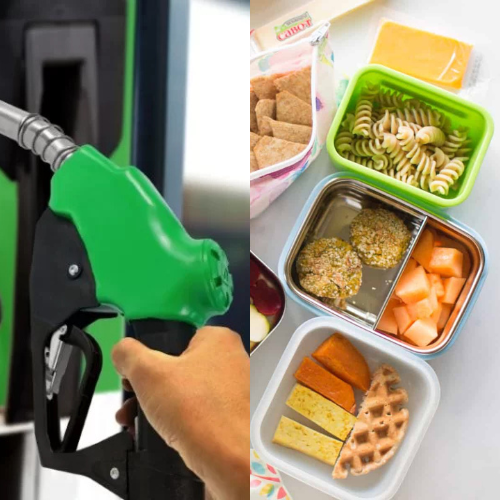
- Keep your fuel tank above 50% when approaching rural or high-altitude zones.
- Use apps like PetrolPrices, Waze, or iOverlander to spot the nearest stations along your route.
- In countries like Norway, Austria, or Romania, fuel stations may not accept all foreign credit/debit cards, so keep some local currency with you.
If you’re planning to ride long stretches like the Transfăgărășan Highway or the Alps’ lesser-known passes, fill up before entering the mountain region. Some areas also have limited mobile network access, so downloading offline maps and saving fuel stops in advance can be a lifesaver. Using the RidingMoto application will surely help you a lot in all this.
Food and Hydration: Stay Energized for Safer Riding
Another tips for European riders is to always be hydrated and energy-packed. Riding for hours, especially while navigating curves and steep gradients, is physically demanding. If you’re not eating or hydrating properly, fatigue, loss of focus, and slower reaction times can creep in without warning, making mountain roads far more dangerous.
Here’s how to stay ride-ready:
- Carry high-energy snacks like protein bars, nuts, dry fruits, or trail mix. They don’t spoil quickly and are easy to munch on during short stops.
- Use a small hydration pack or keep a water bottle handy to sip frequently. Dehydration can hit quickly, especially when riding under the sun or in full riding gear.
- Stop every 90–120 minutes to rest, stretch, and fuel up. These micro-breaks drastically improve focus and stamina.
In remote European towns, restaurant timings can vary. In countries like Spain or Italy, lunch may be served between 1–3 PM, and restaurants might close until evening. Always have a backup plan if you’re relying on food stops, especially on lesser-traveled mountain routes.
Pro Tips for European riders:
- Breakfast heavy: This is one of my tips for European riders, always have a heavy breakfast, it might be your last solid meal before a long ride if you’re heading into remote areas.
- Avoid heavy or oily meals: A Heavy meal before mountain riding can make you sluggish and uncomfortable on tight turns or long descents.
- Check Google Maps reviews: Another important tips for European riders is to before you walk in for your meal, make sure you check the google reviews for that particular eatries. In remote areas, eateries sometimes get permanently closed or operate seasonally.
Proper fuel and food planning is not just about convenience; it’s a key part of safe and smart motorcycle touring. It ensures you stay energized, alert, and ready to tackle whatever the ride throws your way, whether it’s a surprise detour or a remote alpine road with no services in sight.
Top Scenic Routes Every European Rider Must Experience
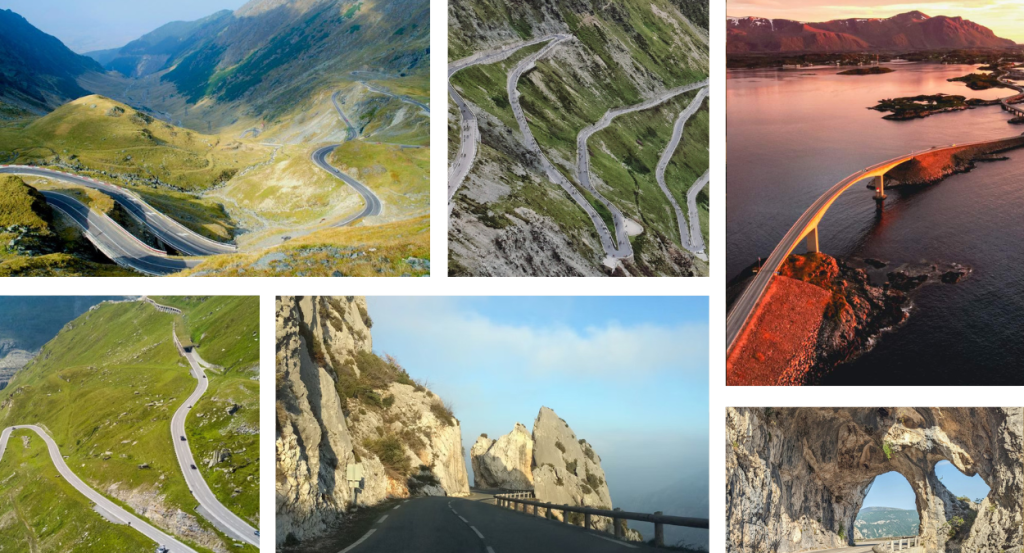
Europe offers a treasure trove of iconic motorcycle roads that combine technical challenges with awe-inspiring views. Whether you’re chasing adrenaline or serenity, these routes deliver a lifetime of memories.
Stelvio Pass, Italy – 48 Hairpins of Pure Motorcycle Bliss
Regarded as one of the greatest mountain roads in the world, the Stelvio Pass (Passo dello Stelvio) is a rite of passage for serious riders. Located in the Italian Alps near the Swiss border, it reaches a breathtaking altitude of 2,757 meters.
- Why ride it?
It features 48 tightly-packed switchbacks on the northern ascent, making it ideal for mastering advanced Riding Techniques for Mountain Roads like controlled braking, body positioning, and tight cornering. - Best Time to Ride: Late June to early September
- Pro Tip: Avoid weekends; it gets packed with cyclists and tourists. Start early for less traffic and cleaner lines through the corners.
Grossglockner High Alpine Road, Austria – Smooth Asphalt Meets Wild Beauty
Winding through the heart of the Austrian Alps, this 48-km masterpiece takes you up to 2,504 meters near the towering Grossglockner, Austria’s highest peak.
- Why ride it?
This road is incredibly motorcycle-friendly, offering wide curves, excellent tarmac, and spectacular viewpoints. It’s a dream for both beginner and seasoned riders to practice cornering techniques and gear control. - Highlights: Edelweissspitze lookout, Pasterze Glacier view, and tight yet smooth switchbacks.
- Entry Fee: Yes (but worth every cent!)
- Best Time: June to mid-September
Atlantic Ocean Road, Norway – Ride Over the Sea
This short but stunning 8.3-km stretch connects a chain of islands between Kristiansund and Molde in Norway, with winding bridges that seem to float over crashing waves.
- Why ride it?
Though not a mountain road, it’s a bucket-list ride for its surreal views and the experience of riding directly over the ocean. High winds and unexpected rain challenge your riding posture and balance control. - Best Time: May to August
- Pro Tip: Weather changes fast—bring waterproof gear and a camera. Sunset rides here are pure magic.
Transfăgărășan Highway, Romania – Raw, Wild, and Wickedly Curvy
Dubbed “the best road in the world” by Top Gear, the Transfăgărășan Highway cuts through the Carpathian Mountains, reaching heights over 2,000 meters.
- Why ride it?
This 90-km road has long tunnels, hairpin bends, steep climbs, and epic descents. It’s a masterclass for applying Riding Techniques for Mountain Roads in real-time, especially engine braking, throttle control, and switchback negotiation. - Highlights: Balea Lake, Balea Waterfall, and the 800m Capra Tunnel
- Best Time: July to September (closed in winter due to snow)
Route Napoleon, France – A Rider’s Historical Journey
Following Napoleon’s historic march from Elba to Grenoble, this route offers smooth, flowing curves through the southern Alps and Provence countryside.
- Why ride it?
This is one of the most balanced rides in Europe—long sweeping turns, great grip, and minimal traffic. Ideal for intermediate riders refining cornering, braking, and gear transitions at moderate speeds. - Highlights: Grasse, Castellane, Sisteron
- Best Time: April to October
- Pro Tip: Combine with a ride through the Gorges du Verdon for a mind-blowing canyon experience.
These routes aren’t just rides—they’re experiences that define what it means to be on two wheels in Europe. Whether you’re practicing riding techniques for mountain roads or just chasing your next adventure, these scenic journeys deliver thrill, technique, and unforgettable beauty.
Conclusion
Exploring Europe on two wheels is not just about the open road—it’s about the freedom, culture, and challenges that come with every curve, climb, and country border. Whether you’re cruising along the Atlantic Ocean Road or tackling the tight corners of the Stelvio Pass, these Tips for European Riders are your blueprint for a safer, smoother, and unforgettable journey.
From understanding local laws and mastering riding techniques for mountain roads, to planning fuel stops and packing smart gear, preparation is everything. The terrain can be tricky, the weather unpredictable—but with the right approach, you won’t just ride Europe, you’ll conquer it.
Ready to ride smarter? Bookmark this guide, share it with your riding buddies, and always gear up for the ride ahead. Your next European adventure could be your best one yet.
FAQs
-
What are the most important tips for European riders?
The most essential tips include knowing the local traffic laws of each country, carrying legal documents and safety gear, Planning fuel stops in rural areas, using apps for route planning, and practicing mountain road riding techniques like downshifting and looking through turns. These tips for European riders ensure a safer and more enjoyable journey.
-
Do I need an international driving permit (IDP) to ride in Europe?
Yes, if your license isn’t from an EU country, an International Driving Permit (IDP) is usually required to legally ride in Europe. Always carry both your original license and the IDP.
-
What gear is essential for riding in European mountains?
At a minimum, you need A full-face helmet, CE-certified armored jacket and pants, Waterproof boots and gloves
A hydration pack for longer rides, and Reflective gear for visibility in tunnels or fog. This gear supports both comfort and riding techniques for mountain roads where conditions change rapidly. -
Which are the best mountain roads to ride in Europe?
Top picks include Stelvio Pass (Italy), Grossglockner Road (Austria), and Transfăgărășan Highway (Romania)
Atlantic Ocean Road (Norway). These roads are not only scenic but also perfect for applying advanced cornering and braking techniques. -
How do I prepare for weather changes while riding in the Alps or Pyrenees?
The weather can shift within minutes in high altitudes. Always: Check forecasts for your full route, Carry a waterproof outer layer, Ride slower in fog or rain, Plan flexible stops in case of extreme weather. This is one of the most practical riding tips for mountain roads.
-
Are mountain roads in Europe safe for beginner riders?
Yes—but only with caution. Stick to less technical passes at first, like the Black Forest in Germany or Andorra’s roads. Practice your riding posture, braking, and gear control on moderate slopes before tackling more extreme alpine routes.