✨ The Allure of a Personalized Ride
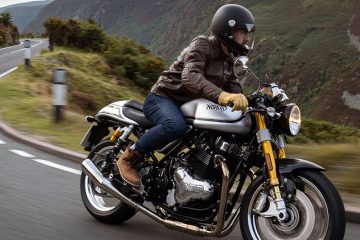
There’s something magical about riding a vintage motorcycle. It’s not just about transportation; it’s about reliving a bygone era of engineering and design. But what if you could make that classic bike even more you? Customizing a vintage motorcycle allows you to transform a piece of history into a personal statement, reflecting your style and passion.
Whether you’re a seasoned mechanic or a curious newcomer, this guide will walk you through the exhilarating world of Custom vintage motorcycle customization. From the joys and challenges to practical tips and legal considerations, we’ve got you covered.
🛠️ Navigating the Customization Landscape
Customizing a vintage motorcycle can range from simple cosmetic tweaks to full-blown restorations. Understanding the scope of your project is crucial:
- Cosmetic Changes: Paint jobs, seat replacements, and handlebar swaps.
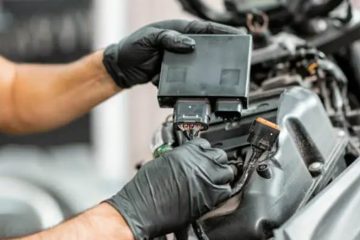
- Performance Upgrades: Engine tuning, suspension enhancements, and brake improvements.
- Complete Overhauls: Frame modifications, engine rebuilds, and electrical system rewiring.Motorcycle Cruiser+6Geiger Legal Group, LLC+6Dairyland Insurance+6
Each level of customization comes with its own set of challenges and rewards. Assess your skills, budget, and time commitment before diving in.
✅ The Pros of Customizing Vintage Motorcycles
🎨 Unleashing Your Creativity
A vintage motorcycle is a blank canvas, allowing you to express your individuality. Whether you envision a sleek cafe racer, a rugged scrambler, or a minimalist bobber, the possibilities are endless.
🚀 Enhanced Performance and Reliability
Upgrading components like carburetors, ignition systems, and exhausts can significantly boost your bike’s performance and reliability. Modern parts can breathe new life into an old machine, making riding more enjoyable and safer.
💰 Increased Value
A well-executed customization can elevate the value of your custom vintage motorcycle. Unique, high-quality builds often attract enthusiasts willing to pay a premium, especially if the customization is well-documented.
🤝 Building a Community
The vintage motorcycle customization community is vibrant and supportive. Engaging with fellow enthusiasts through forums, clubs, and events can provide invaluable advice, resources, and camaraderie.
⚠️ The Cons of Customizing Vintage Motorcycles
💸 Cost: A Deep Dive into Expenses
Customization can be expensive. Costs can quickly escalate due to parts, tools, labor, and unforeseen repairs. Developing a detailed budget and sticking to it as closely as possible is essential.
⏳ Time: A Commitment of Dedication
Customization projects often take longer than anticipated. From sourcing parts to performing intricate repairs, each step demands patience and persistence. Be prepared for a project that may extend over months or even years.
🧰 Mechanical Expertise: Mastering the Art of Repair
You’ll likely need professional help at various stages without extensive mechanical expertise. This adds to the overall cost and can create unforeseen delays. If you’re not mechanically inclined, consider carefully selecting a reputable mechanic with experience in restoring and customizing vintage motorcycles.
🛑 Risk of Damage: Avoiding Costly Mistakes
Working on a vintage motorcycle risks damage to both the machine and yourself. Improper repairs or modifications can significantly impact the bike’s value and performance or lead to dangerous riding conditions.
📝 Planning Your Vintage Motorcycle Customization Project
🎯 Define Your Vision: From Concept to Reality
Before you even touch a wrench, clearly define your vision. What style are you aiming for? What specific modifications do you want to implement? Create detailed sketches, gather inspiration from online resources and magazines, and ensure your plans are realistic and achievable.
When planning your vintage motorcycle customization project, consider the Indian Bobber Scout a perfect base for creating a unique, classic-inspired ride. With its timeless design and powerful engine, the Scout offers endless customization opportunities, from retro-inspired modifications to modern enhancements, allowing you to blend vintage aesthetics with personalized performance upgrades.
🔍 Sourcing Parts: Finding the Right Components
Sourcing parts for a vintage motorcycle can be challenging. You must explore various avenues, including online retailers, salvage yards, and specialist suppliers. Ensure you’re purchasing high-quality parts from reputable sources.
📅 Budgeting and Time Management: The Importance of Realism
Develop a detailed budget incorporating all anticipated costs, including parts, labor, tools, and consumables. Establish a realistic project completion timeline, acknowledging potential delays and unforeseen complications.
📸 Documentation: Preserving Your Journey
Document the entire process, from the initial design phase to the final test ride. Take photos, videos, and detailed notes. This helps you track your progress and creates a valuable record of your work, potentially increasing the bike’s value in the future.
🧰 Essential Tools and Equipment for Customization
- Torque Wrench: 🔧 Crucial for ensuring bolts are tightened to manufacturer specifications — especially important for engine and suspension components.
- Multimeter: 🔋 Handy for diagnosing electrical issues and wiring custom electronics.
- Welder and Grinder: 🔥 For fabricating or modifying frames, brackets, and mounts.
- Air Compressor and Paint Tools: 🎨 Great for applying custom paint jobs or powder coating parts.
- Motorcycle Lift or Jack: 🏍️ Making working on your bike easier and safer.
- Specialty Tools: 🛠️ Carburetor synchronizer, chain breaker, bearing puller — depending on the bike model, you may need extras.
💡 Pro Tip: Investing in quality tools saves time and money in the long run — cheap tools often lead to mistakes or break mid-project.
📋 Legal Considerations: Staying Road-Legal
Customizing your vintage motorcycle isn’t just about aesthetics and performance — it must also be street-legal ✅
🔍 Know Your Local Laws
- Registration: In most countries, heavily modified bikes may need re-registration or a special inspection.
- Lighting & Signals: Ensure your custom setup includes a functioning headlight, brake light, indicators, and reflectors as required by law.
- Noise Limits: Custom exhausts often get loud! Make sure yours meets local decibel limits.
- Number Plates & VIN: Always retain your VIN and ensure number plates are displayed.
⚠️ Bonus Tip (India): Custom builds should still pass RTO inspections in India. Modifying the chassis may void registration. Always consult with a local mechanic familiar with RTO compliance.
🧠 Learning Resources: Gaining Knowledge as You Build
If you’re a first-timer, no worries! There are tons of great places to learn and grow 📚
- YouTube Channels:
- Fortnite
- RidingMoto
- Shadetree Surgeon
- MotoPilot
- Online Forums:
- BikeExif
- The Custom Fighters Forum
- r/motorcycles and r/caferacers on Reddit
- Books:
- The Essential Guide to Motorcycle Maintenance by Mark Zimmerman
- How to Build a Motorcycle by Gary Inman
💬 “The more you learn, the less you break.” – every garage mechanic ever 😄
🏁 Test, Tune, and Ride with Pride!
Once your vintage motorcycle is finally customized and ready to roll, it’s time for the most rewarding part: riding it! 🛣️✨
✔️ Pre-Ride Checklist
- Double-check all bolts and nuts
- Test brakes and clutch
- Verify electrical components
- Ensure tire pressure and chain tension
- Go for a short local ride to feel it out
🔄 Tuning never ends — treat each ride as a mini-test and continue refining as needed.
📸 Show Off Your Masterpiece!
Once your vintage custom is done, don’t just park it — show it off!
- Attend local bike meets or shows
- Post on Instagram, Pinterest, or custom forums
- Share your build story on YouTube or a blog
- Join a custom motorcycle club or community
🚀 Who knows — your bike could be featured next in Pittsburgh Moto or Bike EXIF!
🧡 Final Thoughts: More Than Just a Machine
Customizing a vintage motorcycle is more than a hobby — it’s a labor of love. You’re not just fixing or modifying a bike; you’re reviving a piece of history and putting your soul into it 💥
It takes time, patience, sweat, and a bit of cash 💸 — but the result is a one-of-a-kind ride that turns heads and tells a story only you can tell.
🔑 Quick Recap:
| 📌 Step | 🚀 Action |
|---|---|
| 🔧 Choose Your Project | Select a vintage bike you love (e.g., Indian Scout, Honda CB, Yamaha XS650) |
| 🎨 Plan Your Build | Decide your style — bobber, café racer, scrambler, brat, etc. |
| 🧰 Gather Tools & Parts | Invest in reliable tools and source parts smartly |
| 📅 Budget & Timeline | Avoid burnout and unexpected expenses |
| ⚖️ Stay Legal | Meet local road safety standards |
| 🧠 Keep Learning | Tap into online guides, communities, and books |
| 🛠️ Build & Test | Be patient and take your time |
| 📸 Share & Ride | Show off your creation and enjoy the journey |
📢 Ready to Start Your Vintage Motorcycle Journey?
Leave the tedious commutes behind and embrace raw metal, roaring engines, and timeless design. If you’ve got the dream, the passion, and the drive — you’ve already taken the first step.
🎁 Bonus Tips for First-Time Builders
Here are some golden nuggets from seasoned builders to make your journey smoother 🏆
1. Document Everything 📷📝
Keep a journal or photo log of each step. This helps you track your progress and creates great content if you want to share your build story online.
2. Start Simple ✅
Don’t try to tackle a frame chop or engine rebuild on your first try. Swapping handlebars, upgrading lighting, or changing the seat is a great place to begin.
3. Ask for Help 🙋♂️
Don’t hesitate to contact local mechanics, online communities, or friends with experience. Collaboration makes the process fun and helps avoid costly mistakes.
4. Stay Organized 🧩
Use labeled containers or magnetic trays to separate bolts, parts, and tools. A messy workspace = mistakes waiting to happen.
5. Ride Often, Fix Often 🛵🔧
Every ride will reveal something that needs adjusting. Embrace the idea that a custom bike is never truly finished.
🙌 Final Words: Build Your Dream, One Bolt at a Time
Customizing a vintage motorcycle isn’t just for gearheads or garage pros. It’s a creative process that anyone with patience and passion can master. Whether you’re building a stripped-down brat, a fierce scrambler, or a head-turning cafe racer — this is your chance to tell the world: this is my ride, and it’s one of a kind.
So grab your wrenches, sketch your vision, and turn that rusted old frame into rolling art. 🏍️💨
💬 We’d Love to Hear from You!
👉 Have you built or customized a bike before?
👉 Thinking of starting a project soon?
Drop your story, questions, or photos in the comments below! 📸👇
Or shoot us a message for one-on-one help with your build.
FAQs
How much does it cost to customize a vintage motorcycle?
The cost varies greatly depending on the scope of the project. A simple cosmetic upgrade might cost a few hundred dollars, while a full restoration and engine overhaul can easily reach tens of thousands.
Do I need mechanical experience to customize a vintage motorcycle?
While some basic mechanical knowledge is helpful, extensive expertise isn’t always necessary. However, you’ll likely need to consult with experienced mechanics for certain tasks.
How long does it take to customize a vintage motorcycle?
The timeframe varies significantly depending on the project’s complexity and your skill level. It can range from a few weeks to several years.
What are the legal requirements for customizing a vintage motorcycle?
Legal requirements vary depending on your location. It’s crucial to research your local regulations before making any modifications.
How can Riding Moto help me with my vintage motorcycle customization project?
Riding Moto helps you connect with other enthusiasts, find parts, plan routes for test rides and more.
Where can I find reputable mechanics specializing in vintage motorcycles?
You can find recommendations through online forums, local motorcycle clubs, or through Riding Moto’s community features.
What type of insurance do I need for a customized vintage motorcycle?
You should ensure you have adequate insurance coverage that specifically covers your modified motorcycle. Check with your insurer.
Can I use RidingMoto to track my progress and budget for my project?
While RidingMoto doesn’t have built-in project management tools, you can use its notes section and community features to share updates and collaborate with fellow riders or mechanics.
What kind of tools do I need to start?
A basic set of hand tools, including wrenches, screwdrivers, sockets, and pliers, is a good starting point. More specialized tools will be needed depending on the project scope.
What resources are available for learning more about vintage motorcycle customization?
Many online forums, magazines, and books dedicated to vintage motorcycle restoration and customization exist. You can also find valuable information and insights within the RidingMoto community.
You can follow us on
Facebook | Twitter | Instagram | LinkedIn | Pinterest | YouTube
By: RidingMoto Rider