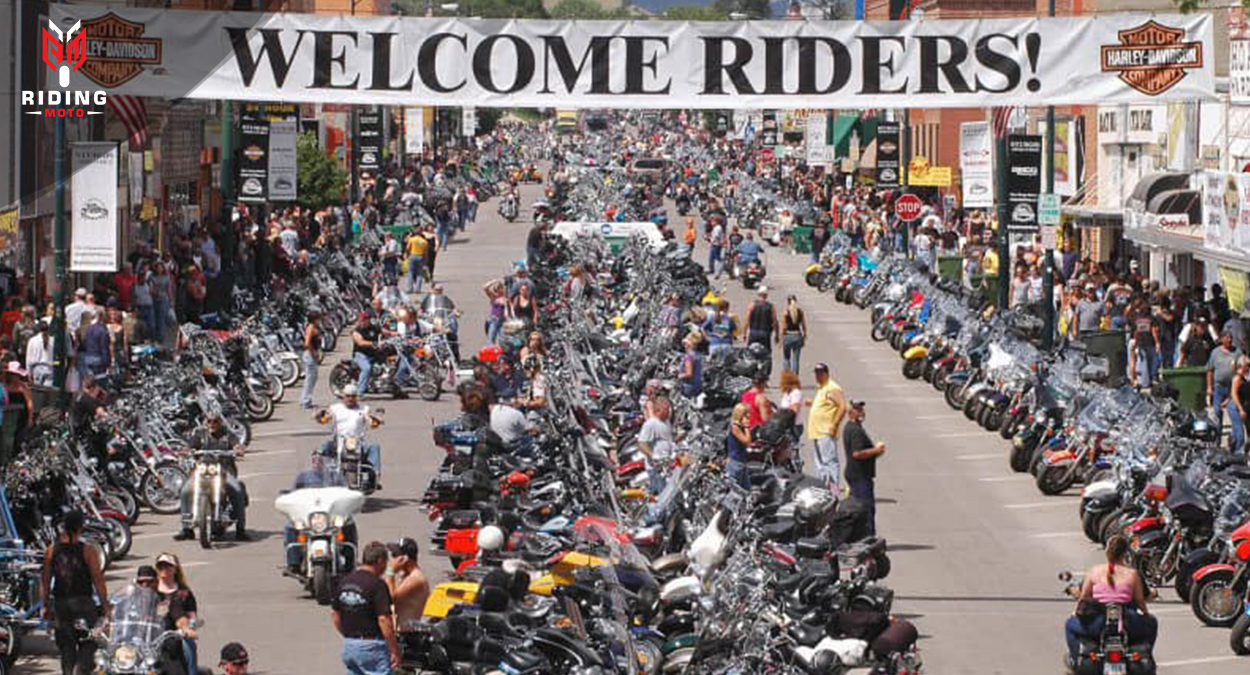
Community Ride Event with ‘RidingMoto’: There’s nothing quite like a group motorcycle ride. It’s more than just a journey; it’s a shared experience, a testament to the freedom and brotherhood (or sisterhood!) of the open road. But organizing a successful community ride event takes more than just a good idea and a few willing participants. It requires planning, coordination, and a touch of magic. That’s where RidingMoto, a fantastic motorcycle app, can step in and make the whole process smoother than a freshly paved highway.
Community Ride Event with ‘RidingMoto’: Why Organize a Community Ride?
Before diving into the logistics, let’s explore the why. Why invest the time and effort in putting together a community motorcycle ride? The benefits are plentiful: it fosters camaraderie, creating lasting bonds among community riders and offers an opportunity to share experiences, knowledge, and a passion for the open road.
- Building Community: Connecting with fellow riders, sharing stories, and forging lasting friendships. It’s about more than just the miles; it’s about the memories made.
- Exploring New Routes: Discover hidden gems and scenic byways you might never find on your own. A group ride offers the chance to explore collectively and share the experience.
- Promoting Safe Riding: Riding in a group promotes heightened awareness and safer riding practices. Having others around encourages responsible behavior.
- Giving Back: Many community rides incorporate charitable elements, raising funds for worthy causes and giving back to the community.
- Simply Having Fun: Let’s be honest, it’s incredibly fun! The thrill of the ride, the laughter, and the shared passion for motorcycles create an unforgettable experience.
Planning Your Dream Community Ride: A Step-by-Step Guide
Organizing a successful community ride is all about meticulous planning. Here’s a step-by-step guide to help you navigate the process: start by determining the ride’s purpose and route, ensuring it is safe and enjoyable for riders. Don’t forget to coordinate with local authorities for permits and support, and consider essential details like rest stops and fuel stations.
1. Define Your Vision
First, ask yourselves: what kind of ride are you envisioning?
- Distance: A short, leisurely day trip or a multi-day adventure?
- Terrain: Twisting mountain roads, scenic coastal highways, or a mix of both?
- Skill Level: Are you targeting experienced riders, beginners, or a mix? This will influence route selection and pace.
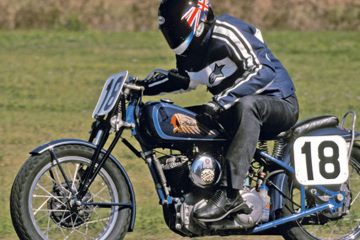
- Theme: Will there be a specific theme (e.g., vintage bikes, charity ride)?
- Purpose: Is this purely for fun, or is there a charitable cause you want to support?
2. Choose a Date and Time
Consider factors like weather, potential conflicts with other events, and rider availability. Weekends are generally preferred, and try to avoid holiday weekends that might see increased traffic. It’s also wise to check for any major construction or road closures along the route while planning route. Lastly, make sure to confirm the availability of key support services along the way, such as medical or mechanical assistance, just in case.
3. Craft the Perfect Route
This is where RidingMoto’s trip planning features truly shine. The app allows you to map out your desired route, factoring in:
- Distance and Time: Ensure the route is appropriate for the skill level and time commitment of the participants.
- Road Conditions: Check for road closures, construction, or other potential obstacles.
- Points of Interest: Incorporate scenic overlooks, interesting towns, or photo stops along the way.
- Rest Stops and Fuel Stations: Strategically plan stops for refueling, bathroom breaks, and refreshments.
Using RidingMoto’s real-time navigation ensures you and your group stay on course, even with unexpected diversions.
4. Recruit Your Riding Crew
Spread the word! Use social media, motorcycle forums, and local riding clubs to attract participants. Clearly communicate the details of the ride, including:
- Date, Time, and Location: Be precise and provide clear meeting points.
- Route Details: Offer a brief overview of the route and its challenges.
- Skill Level Requirements: Be upfront about the level of experience needed.
- Safety Precautions: Emphasize the importance of safety gear and responsible riding.
5. Safety First!
Safety should always be your top priority. Here’s how to ensure a safe and enjoyable ride for everyone:
- Rider Briefing: Before setting off, hold a short briefing to review the route, safety procedures, and communication protocols.
- Designated Riders: Assign experienced riders to lead and sweep the group, ensuring no one gets left behind.
- Communication: Utilize two-way radios or in-app communication features of RidingMoto to maintain contact between riders.
- Emergency Plan: Have a clear emergency plan in place, including contact information for local authorities and emergency services. RidingMoto’s safety alerts can be a lifesaver in unexpected situations.
6. Promote Your Event
Use social media and online platforms to promote your event. Include stunning photos of the planned route, highlight the event’s unique features, and encourage registration.
7. Post-Ride Celebration
After the ride, consider organizing a post-ride gathering at a local restaurant or bar. This is a great way to celebrate the successful event and foster camaraderie among the riders.
RidingMoto: Your Ultimate Riding Companion
Throughout this process, RidingMoto can be your indispensable companion. Its features are designed to enhance every aspect of your community ride, from planning to execution:
| Feature | Benefit for Community Rides |
|---|---|
| Route Planning | Easily map out intricate routes, including points of interest, rest stops, and fuel stations. |
| Real-time Navigation | Keeps everyone on track, even with unexpected detours. |
| Rider Groups | Create a group chat for easy communication and coordination among participants. |
| Safety Alerts | Provides peace of mind with features like emergency SOS and location sharing. |
| Social Features | Connect with fellow riders, share photos, and build a strong community. |
Conclusion: Gear Up and Ride Together!
Organizing a community motorcycle ride is a rewarding experience that strengthens bonds, explores new horizons, and celebrates the joy of riding. By following this detailed guide and leveraging the power of RidingMoto, you’ll be well-equipped to create an unforgettable event for you and your fellow riders. Download RidingMoto today and start planning your next adventure! Remember, the open road awaits!
Frequently Asked Questions (FAQs)
What if someone gets lost during the ride?
With RidingMoto’s real-time tracking, you can easily locate any riders who stray from the group. Pre-ride briefings should emphasize staying close to the group and utilizing the app’s communication features.
How can I ensure everyone is riding safely?
Emphasize the importance of safety gear (helmets, jackets, etc.) and responsible riding practices in your pre-ride briefing. Appoint experienced riders as leaders and sweepers to monitor the group’s progress and safety. RidingMoto’s safety features, like emergency alerts, also provide added security.
What if there’s bad weather on the day of the ride?
Have a backup plan in place, such as postponing the ride or choosing an alternate, shorter route. Monitor weather forecasts closely and communicate any changes to participants promptly.
How can I manage communication during the ride?
Utilize two-way radios or the in-app communication features of RidingMoto to maintain contact between riders. Establish clear communication protocols before the ride begins.
How do I handle mechanical issues during the ride?
Have contact information for roadside assistance readily available. Encourage riders to check their bikes before the ride and carry basic repair tools.
How can I promote my community ride effectively?
Use social media, motorcycle forums, and local riding clubs to spread the word. Create engaging promotional materials, including photos and videos of the planned route.
What kind of insurance is needed for a community ride?
Consult with your insurance provider to ensure you have adequate coverage for the event. Liability insurance is crucial.
What should I include in a pre-ride briefing?
Cover route details, safety procedures, communication protocols, emergency procedures, and any specific instructions for the ride.
How do I handle participants with varying skill levels?
Clearly communicate the skill level requirements for the ride. If there’s a wide range of experience, consider dividing the group into smaller, skill-level appropriate groups.
What should I do after the ride?
Send a thank-you message to participants. Share photos and videos from the ride. Consider organizing a post-ride gathering to celebrate the successful event.
You can follow us on
Facebook | Twitter | Instagram | LinkedIn | Pinterest | YouTube
By: RidingMoto Rider