From bicycle to motorcycle, the feeling of freedom on two wheels is undeniable, whether you’re navigating city streets or carving corners with power and precision. But transitioning from the nimble agility of a bicycle to the raw power and responsibility of a motorcycle is a significant leap. This isn’t just about upgrading your ride, it’s about embracing a completely new riding experience that demands respect, skill, and a commitment to safety. This comprehensive guide will walk you through the essential steps, offering advice and insights to ensure a smooth and safe transition. Think of RidingMoto as your co-pilot, providing essential tools and information to make your ride safer, smoother, and more enjoyable.
Many cyclists share a dream of transitioning to motorcycles – but road safety rules and increased speed are important to keep in check for bike safety. But it’s crucial to understand that motorcycles are vastly different machines. Bicycles require balance and pedaling power, while motorcycles demand precise control, anticipation, and an understanding of powerful engines, including mastering gear shifting to manage speed. Gear shifting plays a crucial role in controlling a motorcycle’s power, and with the right techniques, it becomes second nature. The journey from bicycle to motorcycle is a thrilling adventure, and with the right preparation and mindset, it can be an incredibly rewarding one.
Understanding the Fundamental Differences: From Bicycle to Motorcycle
Size and Weight:
The most immediate difference is the sheer size and weight. A bicycle is lightweight and easily maneuvered. A motorcycle, even a smaller model, is significantly heavier and requires more strength and control. This weight impacts handling, especially at low speeds, requiring a different approach to balance and maneuvering. Learning to manage a motorcycle’s weight at standstill and during slow-speed maneuvers is crucial.
Power and Acceleration:
The power difference is dramatic. Human-powered bicycles offer gradual acceleration, motorcycles offer instant and powerful acceleration. This requires a nuanced understanding of throttle control, something that takes practice and careful attention. RidingMoto’s detailed tutorials on throttle management can be invaluable in mastering this skill.
Braking:
Motorcycle braking is more complex, involving both front and rear brakes, requiring a delicate balance to avoid skidding or locking up the wheels. Unlike a bicycle’s simple braking system, understanding the braking dynamics of a motorcycle and the proper technique is critical for safe riding. The app provides helpful tips and resources on safe braking techniques.
Choosing Your First Motorcycle: Size and Style Matters
Engine Size and Type:
For beginners transitioning from bicycles, a smaller-engine motorcycle (250cc-500cc) is strongly recommended. These offer manageable power and are ideal for learning essential riding skills. Larger engines can be overwhelming for new riders, making it harder to control the bike and potentially leading to dangerous situations. Think about your riding style and the type of terrain you plan to ride on when making your decision. Our app offers detailed reviews and comparisons of various motorcycle models to help you make an informed choice.
Weight and Dimensions:
The motorcycle’s weight and dimensions are crucial factors. A lighter, more compact bike will be easier to handle at low speeds and during tight maneuvers. Consider your physical strength and comfort level. RidingMoto can help you find models that match your physical attributes and riding style.
Features and Technology:
Modern motorcycles offer a range of safety features, such as ABS (Anti-lock Braking System) and traction control, which can greatly enhance safety, especially for beginners. These features can mitigate the consequences of mistakes. The app’s database includes detailed specifications of motorcycles, highlighting safety features and technology.
Mastering Essential Motorcycle Riding Skills: A Gradual Approach
Motorcycle Safety Course:
Enrolling in a reputable motorcycle safety course is non-negotiable. These courses provide structured training on essential skills, from basic controls to advanced maneuvers. They’re designed to build confidence and safe riding habits, equipping you with the knowledge and skills necessary for riding safely and responsibly. Our app can help you locate motorcycle safety courses in your area, based on reviews and ratings from other riders.
Clutch and Gear Shifting:
Learning to smoothly operate the clutch and shift gears is fundamental. This takes practice of gear shifting and coordination but is crucial for safe and comfortable riding. The app provides interactive tutorials and videos to guide you through the process.
Cornering Techniques:
Cornering on a motorcycle requires a different approach than on a bicycle. This involves body positioning, counter-steering, and appropriate throttle control. Our app’s detailed resources on cornering techniques, including videos from experienced riders, will significantly enhance your skills.
Gear Up: Protecting Yourself is Paramount
Helmet:
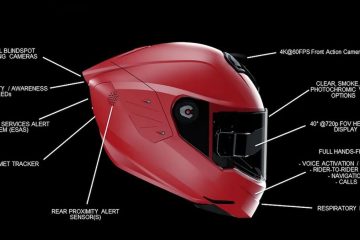
A high-quality, DOT-approved helmet is non-negotiable. This is your primary defense against head injuries. Choose a helmet that fits properly and provides adequate protection.
Jacket and Pants:
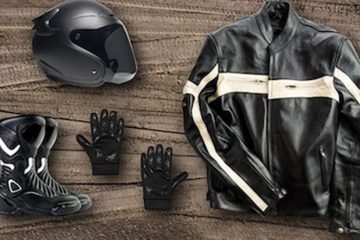
Protective riding gear, including a jacket and pants made of abrasion-resistant materials like leather or textile, is essential. These garments will protect you in case of a fall.
Gloves and Boots:
Gloves and boots provide protection for your hands and feet. Look for gloves with reinforced padding and boots with ankle support.
Other Protective Gear:
Consider adding additional protective gear like knee and elbow pads, especially during the initial learning phase. RidingMoto’s gear section offers reviews and comparisons of various safety gear options.
Navigating the Legal Landscape: Licenses, Insurance, and Regulations
Motorcycle License:
Obtaining a motorcycle license is mandatory. The process involves written and practical tests to assess your knowledge and riding skills. The app provides information on obtaining a motorcycle license in your state/country.
Insurance:
Motorcycle insurance is required in most jurisdictions. It protects you financially in case of an accident. Our app can help you compare insurance providers and policies.
Traffic Laws and Regulations:
Understand and obey all traffic laws and regulations. This includes speed limits, lane usage, and signaling. Our app provides summaries of traffic laws and regulations.
Utilizing RidingMoto for a Smoother Transition
Motorcycle Trip Planner:
RidingMoto’s integrated motorcycle trip planner is an invaluable tool. Plan your routes, considering road safety rules, traffic, and points of interest. The app optimizes routes for motorcycles, considering factors like elevation changes and sharp turns, making your rides safer and more enjoyable.
Best GPS for Bikers:
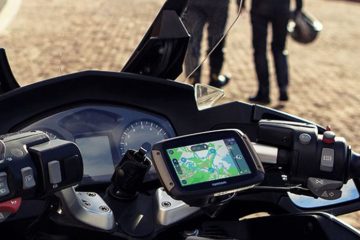
RidingMoto’s GPS is specifically designed for motorcycles. It provides clear, easy-to-read navigation even in challenging conditions, ensuring you always know where you’re going.
Community Features:
Connect with other riders through RidingMoto’s community features. Share experiences, ask questions, and learn from others’ insights. This interaction can prove incredibly valuable as you navigate your motorcycle journey. Our app fosters a supportive community of riders, providing a forum to connect with fellow enthusiasts and gain valuable tips and advice.
Maintenance and Repair Tools:
RidingMoto provides helpful resources on motorcycle maintenance and repair. Learn about basic checks, and find certified mechanics near you when needed. Our app ensures you can maintain your bike in top condition.
Building Confidence and Experience: The Ongoing Journey
Transitioning from a bicycle to a motorcycle is a process, not an event. It requires consistent practice, patience, and a commitment to safe riding. Start with shorter rides in familiar areas, gradually increasing the distance and complexity of your routes. Always ride within your skill level and be aware of your surroundings. Continue to refine your skills, learn from your experiences, and embrace the ongoing learning process. The RidingMoto app will be your constant companion, providing the support and tools you need along the way, making this transition as safe and enjoyable as possible.
Conclusion: Embrace the Open Road with Confidence
The transition from bicycle to motorcycle is a significant but rewarding undertaking. With careful planning, proper training, and the right resources, this transition can be smooth and safe. Remember that safety is paramount. Always prioritize safe riding practices, wear appropriate protective gear, and never ride beyond your skill level. By combining proper training with the invaluable resources available through the RidingMoto app, you can confidently embark on this exhilarating journey, making the most of every ride. Download the RidingMoto app today and start planning your next adventure!
FAQs
What is the minimum age to get a motorcycle license?
The minimum age for obtaining a motorcycle license varies by state/country. Generally, it’s between 16 and 18 years old, but some jurisdictions allow younger riders with certain restrictions. Check your local Department of Motor Vehicles (DMV) website for specific requirements.
How much does a motorcycle safety course cost?
The cost of a motorcycle safety course varies based on location and provider. Prices typically range from $200 to $500. Many jurisdictions offer subsidized courses or scholarships.
What type of motorcycle insurance do I need?
The type of motorcycle insurance you need will depend on your local regulations and your personal preferences. Liability insurance is usually mandatory, but you may want to consider additional coverage, such as collision or comprehensive coverage, depending on your budget and risk tolerance.
How do I find a reputable motorcycle mechanic?
Finding a reputable motorcycle mechanic is essential for maintaining your motorcycle. You can ask for recommendations from fellow riders, check online reviews, or look for mechanics certified by the Motorcycle Mechanics Institute (MMI).
What are the common mistakes beginners make when transitioning from bicycles to motorcycles?
Common mistakes include neglecting to use both brakes effectively, poor clutch control leading to stalling, overestimating cornering speeds, and underestimating the motorcycle’s power and weight. A motorcycle safety course helps significantly minimize these mistakes.
How can RidingMoto help me with motorcycle maintenance?
RidingMoto offers a wealth of resources on motorcycle maintenance, including articles, videos, and checklists to help you stay on top of routine maintenance tasks, troubleshoot minor issues, and find reliable mechanics in your area.
Is RidingMoto compatible with all types of motorcycles?
While RidingMoto is designed to be adaptable to a wide range of motorcycles, specific features may vary depending on your bike’s model and year. The app strives to provide compatibility with as many makes and models as possible.
Can I use RidingMoto offline?
While many features of RidingMoto require an internet connection, certain features, like some of the maintenance guides and safety tips, can be accessed offline. However, full navigation functionality and real-time traffic updates depend on internet access.
How do I report a bug or provide feedback on the RidingMoto app?
RidingMoto has a dedicated feedback channel within the app settings. You can use this to report any bugs you encounter or provide suggestions for improvement. Your feedback is crucial to enhance the app’s usability and functionality.
What makes RidingMoto’s GPS better than other GPS apps for motorcycles?
RidingMoto’s GPS is optimized for motorcycle riding, taking into account factors like tighter turns, steeper inclines, and road safety. The interface is designed for easy use while riding, and it prioritizes route safety over pure speed, making it the best GPS for bikers seeking a safe and enjoyable ride.
You can follow us on
Facebook | Twitter | Instagram | LinkedIn | Pinterest | YouTube
By: RidingMoto Rider