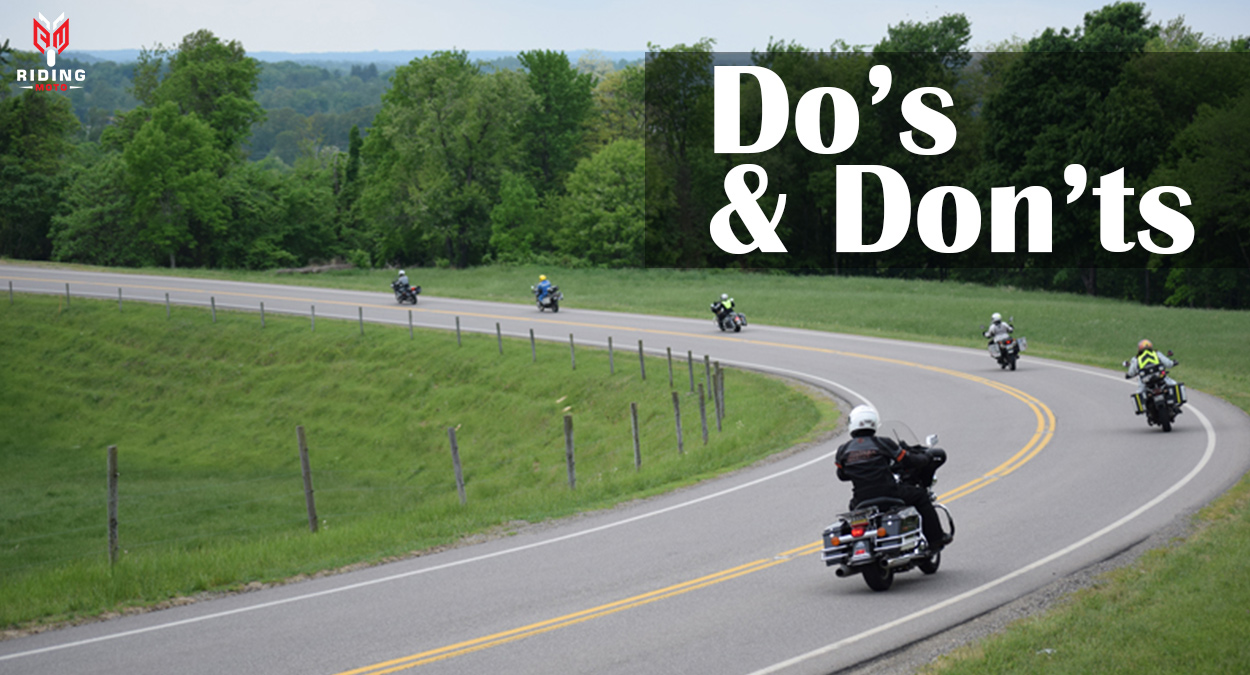
Group bike riding offers an unparalleled thrill. But the open road demands more than just horsepower; it demands respect, communication, and a solid understanding of group riding etiquette. Whether you’re a seasoned rider leading a pack of experienced bikers across state lines or a newer rider joining a casual weekend jaunt, navigating the nuances of group bike riding is crucial for a safe and enjoyable experience. This isn’t just about avoiding accidents; it’s about fostering a positive atmosphere where everyone can share the passion for the ride.
Imagine this: you’re on a stunning coastal highway, the wind in your hair, the sun on your face. Suddenly, a miscommunication leads to a near-miss, shattering the idyllic scene. This is why understanding group riding etiquette is paramount. RidingMoto, with its intuitive interface and advanced features like integrated communication and a powerful motorcycle trip planner, can play a vital role in ensuring a smooth and safe journey. We’ll explore how the app enhances group bike riding, helping you plan meticulously, communicate efficiently, and ultimately, share unforgettable moments on two wheels.
Pre-Ride Planning: The Foundation of a Smooth Journey
Before even firing up your engine, meticulous planning is essential. This is where RidingMoto shines. Our app provides a robust motorcycle trip planner, allowing you to map your route, identify potential hazards, and share the itinerary with your group. Pre-ride planning isn’t just about choosing a route; it’s about assessing rider skill levels, communication strategies, and emergency procedures.
Assessing Rider Skill Levels:
Group rides should be tailored to the least experienced rider. This means establishing a clear understanding of everyone’s riding abilities and experience. Are you riding with novices or seasoned veterans? Adapting the route and pace to the capabilities of the least experienced rider ensures everyone feels safe and comfortable. Honest self-assessment is crucial here; don’t overestimate your skills or underestimate the challenges of a particular route.
Route Selection and Communication:
Choosing the right route is paramount. Consider factors like road conditions, traffic patterns, and the overall length of the ride. Using RidingMoto’s best GPS for bikers, you can access real-time traffic updates, weather forecasts, and even explore scenic alternatives. Share the planned route with your group beforehand, allowing everyone to familiarize themselves with the journey.
Establishing Communication Protocols:
Clear communication is vital, especially during the ride. Decide on hand signals, radio communication, or a combination of both. Practice these signals before you hit the road. RidingMoto offers integrated communication features, facilitating seamless interaction within the group. This allows for quick updates on any changes in the plan or potential hazards.
Establishing the Riding Formation: Safety in Numbers
The choice of formation significantly impacts group safety and efficiency. Staggered formation is the most common and generally safest for various reasons: it offers better visibility, improves braking response, and provides a buffer in case of sudden stops.
The Staggered Formation:
In this formation, riders follow each other in a staggered pattern, usually two abreast, maintaining a safe distance between bikes. The lead rider sets the pace, and the following riders maintain a safe following distance, adjusting their speed according to the lead.
The Single-File Formation:
This formation is suitable for narrow roads, tight corners, or challenging sections of the ride. All riders follow each other in a single line, maintaining a safe distance. This formation is more compact and requires more attention to maintaining the distance.
Maintaining Safe Following Distance:
The most crucial element of any formation is maintaining a safe following distance – the “2-second rule” is a widely accepted guideline. This means keeping at least two seconds of space between your motorcycle and the one in front. Increase this distance under adverse conditions like rain or low visibility. RidingMoto’s GPS features can be helpful in estimating distance.
On the Road: Respect, Communication, and Courtesy
Once you’re underway, continuous communication and courteous riding are crucial. Remember, it’s not just about reaching your destination; it’s about sharing the journey safely and respectfully.
Maintaining a Consistent Pace:
The lead rider should maintain a consistent, safe pace appropriate for the road conditions and the group’s skill levels. Avoid sudden acceleration or deceleration. Smooth transitions are key to a safe ride.
Effective Hand Signals:
Hand signals are essential for communicating with other riders, particularly in situations where verbal communication is difficult. Ensure everyone understands and can use the standard hand signals for turns, stops, and hazards. Regular practice is vital to ensure everyone can use and understand them.
Handling Hazards:
Unexpected hazards like potholes, debris, or wildlife crossings are unavoidable. The lead rider should identify and communicate these to the group. If a hazard necessitates a sudden maneuver, the lead rider should signal appropriately, giving ample warning to the rest of the group.
Dealing with Mechanical Issues and Emergencies: Preparedness is Key
Despite meticulous planning, mechanical issues or emergencies can occur. Being prepared is critical. This includes having a basic understanding of motorcycle maintenance, carrying necessary tools and equipment, and establishing emergency procedures.
Mechanical Issues:
If a rider experiences a mechanical problem, the group must safely pull over to the side of the road. Ensure that everyone is visible to oncoming traffic, and wait for assistance if necessary. RidingMoto’s emergency features provide the ability to quickly alert other riders and emergency services if needed.
Emergency Procedures:
Establish clear procedures for handling emergencies, such as accidents or medical issues. This should include designating a person responsible for contacting emergency services, providing first aid, and coordinating efforts. A well-defined emergency plan reassures every rider.
Riding in Various Conditions: Adapting to the Environment
Weather conditions can significantly impact riding safety. Group rides should always be adjusted based on the forecast, with appropriate precautions taken.
Riding in Rain:
Rain reduces visibility, traction, and braking effectiveness. Riders should reduce their speed, increase following distances, and avoid sudden maneuvers. Proper rain gear is a must.
Riding in Windy Conditions:
Wind can affect motorcycle stability, especially at higher speeds. Riders should maintain a secure grip, reduce speed, and be aware of wind gusts. The chosen riding formation may need adjusting to mitigate potential instability.
Riding at Night:
Riding at night presents unique challenges, primarily reduced visibility. Proper lighting is crucial, and riders should increase their following distances and maintain extra caution.
Post-Ride Debriefing: Learning from the Experience
A post-ride debriefing offers a valuable opportunity to reflect on the ride, identify areas for improvement, and reinforce safety practices. This is a time to share feedback, address any concerns, and strengthen the bonds of camaraderie.
Sharing Feedback:
Encouraging open and honest feedback from all riders helps identify potential weaknesses or issues in the ride’s execution. This process identifies opportunities for improved safety and coordination in the future.
Addressing Concerns:
The post-ride debrief should be a safe space for riders to voice concerns or anxieties. Addressing these issues head-on helps build confidence and trust within the group.
The Role of RidingMoto in Enhancing Group Riding
RidingMoto is designed to elevate the group bike riding experience. Our app’s features are tailored to enhance safety, communication, and planning, making every ride smoother and more enjoyable.
Motorcycle Trip Planner:
Our intuitive motorcycle trip planner allows you to create detailed routes, share them with your group, and track progress in real-time. This ensures everyone is on the same page, reducing the likelihood of getting lost or separated.
Integrated Communication:
Our integrated communication features provide a seamless way to communicate within the group, without needing to rely on potentially unreliable cell service. This enables quick updates, real-time warnings about hazards, and easy group coordination.
Best GPS for Bikers:
RidingMoto’s best GPS for bikers features provide precise navigation, real-time traffic updates, and integration with other apps. It’s your all-in-one solution for planning, navigating, and communicating during your group rides.
Conclusion: Ride Safe, Ride Smart, Ride Together
Group motorcycle riding offers an unparalleled sense of adventure and camaraderie. By adhering to proper etiquette, planning meticulously, and utilizing resources like RidingMoto, you can ensure a safer, more enjoyable, and memorable experience for everyone involved. Remember, responsible riding isn’t just about you; it’s about the safety and enjoyment of the entire group. Download RidingMoto today and experience the difference a well-planned and seamlessly communicated ride can make. Let’s hit the road, safely and together!
FAQs
What is the ideal group size for a motorcycle group ride?
The ideal group size varies depending on the experience level of the riders and the complexity of the route. Smaller groups (4-6 riders) are generally easier to manage and communicate within, particularly for less experienced riders. Larger groups might require more organization and communication protocols.
What should I do if I fall behind the group?
If you fall behind, maintain a safe speed and carefully pull over to a safe location. Contact your group via the RidingMoto communication features or other pre-arranged method to let them know your location. Do not attempt to catch up rapidly, especially if the road conditions are challenging.
How do I handle a rider who is consistently breaking group rules?
Before the ride, establish clear expectations and rules. If a rider consistently violates these rules, especially those related to safety, address the situation directly and politely. For egregious violations, the rider might need to be asked to ride separately or not participate in future group rides.
What if a rider has a medical emergency during the ride?
Have a pre-determined emergency plan. Designate someone responsible for contacting emergency services immediately. If possible, provide first aid and ensure the rider is safe and comfortable until help arrives. RidingMoto’s emergency features can help significantly in this scenario.
What are the essential items I should bring on a group motorcycle ride?
Essential items include a fully charged cell phone, a motorcycle tool kit, first-aid kit, rain gear, and appropriate clothing for the weather conditions. Consider a portable charger for your phone, especially on longer rides.
How can I use RidingMoto to improve communication during group rides?
RidingMoto provides integrated communication features allowing riders to send messages, share locations, and initiate emergency calls within the app, all without relying on unreliable cell service in remote areas. Utilize these features regularly to keep communication clear.
How does RidingMoto’s motorcycle trip planner help in group rides?
Our trip planner helps create detailed routes, which can then be shared with the group. This allows everyone to know the plan, potential challenges, and planned stops, fostering a better shared experience.
What if a motorcycle breaks down during a group ride?
If a motorcycle breaks down, pull over safely to the side of the road. Ensure visibility to oncoming traffic, alert the group via RidingMoto, and assess the situation. If the problem is minor and can be quickly fixed, proceed with caution. If major assistance is needed, contact roadside assistance.
How do I ensure all members of my group understand the hand signals?
Before the ride, hold a brief session to review and practice commonly used hand signals. Ensure everyone is comfortable using and understanding them. During the ride, utilize these signals and reinforce their understanding as needed.
Is it essential to have a designated leader for a group ride?
While not always mandatory, having a designated leader is often beneficial, especially for larger groups or challenging routes. The leader sets the pace, identifies hazards, and makes key decisions for the group’s safety and progress. This enhances coordination and ensures safer navigation.
You can follow us on
Facebook | Twitter | Instagram | LinkedIn | Pinterest | YouTube
By: RidingMoto Rider