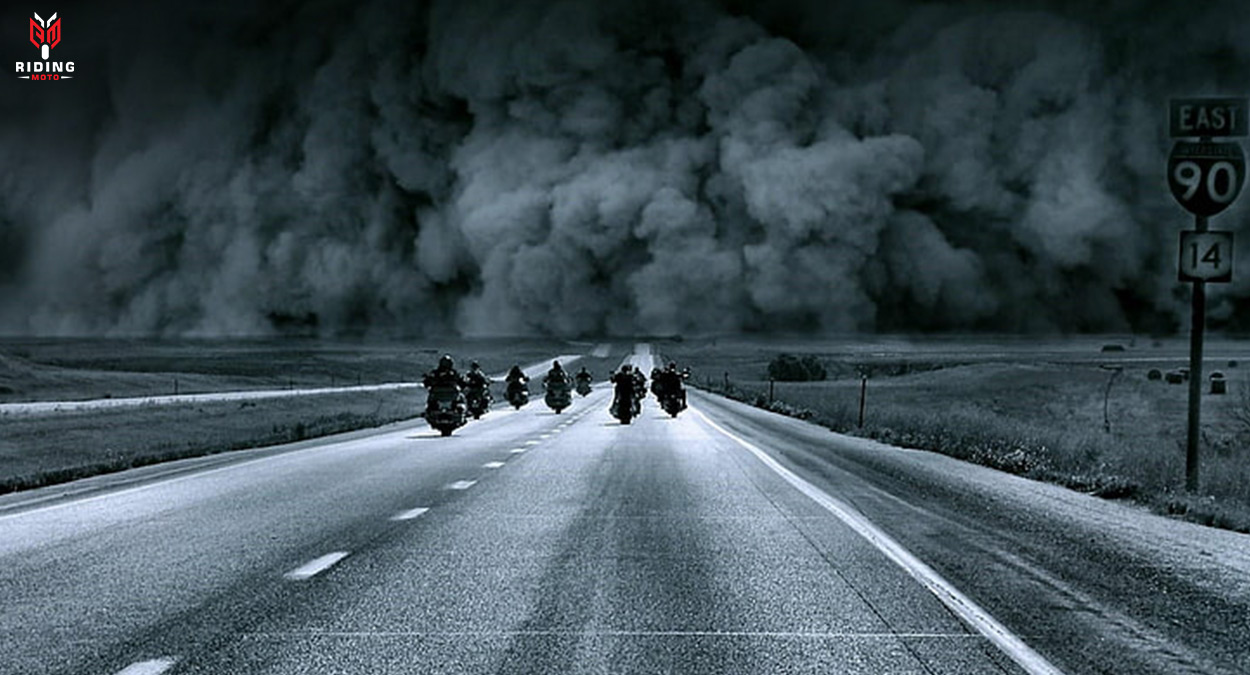
How to Plan Safe Rides The rumble of thunder. The ominous darkening sky. That familiar, unsettling feeling in the pit of your stomach… For motorcycle riders, the approach of a hurricane or severe storm isn’t just a weather event; it’s a potential crisis. But with the right planning and resources, you can significantly reduce risk and even transform a potentially dangerous situation into a manageable one. This guide, created with the motorcyclist in mind, will walk you through everything you need to know to ensure safe riding during – and, critically, *before* – these challenging weather patterns. We’ll also explore how tools like RidingMoto can assist in making these preparations and keeping you informed on the go.
How to Plan Safe Rides and Understanding the Risks: More Than Just Rain
Remember, riding a motorcycle during a hurricane or severe storm is inherently dangerous. It’s not just about the rain; the risks are multifaceted:
- High Winds: Strong gusts can knock you off balance, especially on exposed stretches of road. Imagine battling crosswinds that feel like trying to wrestle your bike from your control!
- Reduced Visibility: Heavy rain, fog, and flying debris significantly impair visibility, making it difficult to anticipate hazards like potholes, downed power lines, or other vehicles.
- Flooding: Standing water can be deceptively deep, hiding potholes and even debris that can damage your bike or cause a serious accident. A seemingly shallow puddle could easily stall your bike.
- Debris on the Road: Hurricanes and storms leave behind a treacherous landscape of downed trees, broken glass, and other debris, posing a constant threat to your safety.
- Hazardous Road Conditions: Rain makes roads slick, and the combination of rain and debris makes them even more treacherous.
Pre-Storm Preparation: Your First Line of Defense
Preparation is key to surviving a storm safely on two wheels. Start your planning *well* before the storm arrives. This proactive approach is the best way to reduce your risks. Imagine using the RidingMoto trip planner to meticulously chart your route and identify potential risks *before* they become problems.
1. How to Plan Safe Rides : Secure Your Motorcycle:
- Garaging is Ideal: If possible, park your motorcycle in a secure garage or carport to protect it from high winds and flying debris.
- Protective Cover: If garaging isn’t an option, invest in a heavy-duty motorcycle cover designed to withstand strong winds.
- Secure it Firmly: Use straps or tie-downs to further secure your bike to prevent it from being blown over.
- Elevated Parking: If flooding is a concern, park your motorcycle on higher ground.
2. heck Weather Forecasts Regularly:
- Utilize Reliable Sources: Rely on official weather sources, not just social media, to understand the storm’s path and intensity.
- Stay Informed: Regularly check updates to stay informed about any changes in the forecast. RidingMoto’s real-time weather alerts could make this a significantly simpler process, providing direct information to your mobile device.
3. Plan Your Escape Route:
- Identify Safe Locations: Identify potential safe locations like sturdy buildings or designated storm shelters. RidingMoto’s route planning capabilities are great for finding the most sheltered and quickest routes to safety.
- Consider Alternatives: If evacuation is necessary, have alternative transportation plans in place (especially important for longer trips).
4. Prepare Your Emergency Kit:
- Essentials: Include essentials like a first-aid kit, water, non-perishable food, a flashlight, a mobile phone charger, and a multi-tool.
- Weather Gear: Pack rain gear that can withstand heavy downpours. This is critical for visibility and comfort.
- Communication: Ensure your phone is fully charged and you have ways to contact emergency services.
Riding During the Storm (Only if Necessary!)
Riding during a hurricane or severe storm should be a last resort. If you absolutely *must* ride, remember safety is paramount:
1. Avoid Riding if Possible:
- Safety First: This is the most important point! If the storm is severe, stay off the roads.
2. Dress Appropriately:
- Visibility: Wear bright, highly visible clothing to improve your visibility to other drivers.
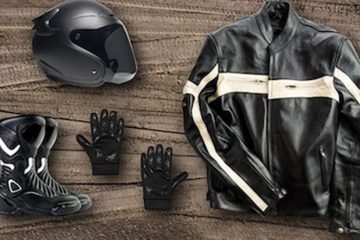
- Protective Gear: Wear full riding gear, including a helmet, jacket, pants, gloves, and boots, to protect yourself from the elements and potential impacts.
3. Ride Defensively:
- Reduced Speed: Reduce your speed significantly and maintain a safe following distance from other vehicles.
- Increased Awareness: Be hyper-aware of your surroundings and anticipate potential hazards. Look far ahead; anticipate what could happen before it does.
- Avoid Puddles: Avoid riding through standing water whenever possible.
- Be Predictable: Signal your intentions clearly and avoid sudden movements.
4. Utilizing RidingMoto Features for Real-time Safety
During a storm, the advantage of having a reliable motorcycle app such as RidingMoto is invaluable. Its real-time navigation can reroute you around flooded areas or road closures. The safety alerts can warn you about immediate hazards. The ability to share your location with friends or family provides an extra layer of security and peace of mind.
Post-Storm Riding: Assessing the Damage
Once the storm passes, assess the damage before venturing out on your motorcycle:
- Check Road Conditions: Roads may be damaged, flooded, or blocked by debris.
- Inspect Your Motorcycle: Check your bike for any damage from high winds or flooding.
- Report Hazards: Report any hazards like downed power lines or road damage to the appropriate authorities.
- Ride Cautiously: Even after the storm, road conditions might still be hazardous. Proceed slowly and cautiously.
Leveraging RidingMoto for Enhanced Safety
RidingMoto offers several features that can make your ride safer, both before and after a storm. Its intuitive interface and comprehensive features are designed to enhance your riding experience and safeguard you on the road. Features like real-time navigation, customizable safety alerts, and integration with weather services make it an indispensable tool for responsible riders. Our thriving rider community also provides a valuable platform for sharing road conditions and warnings, ensuring you have up-to-the-minute information, a crucial resource before, during, and after severe weather.
This guide, along with the power of RidingMoto, can help you navigate the challenges of riding during hurricanes and storms. Remember, your safety is paramount. Download RidingMoto today and experience the difference a comprehensive, rider-focused app can make in your safety and ride planning. Embrace the thrill of the open road, but always ride responsibly and safely!
FAQs
Can I use my motorcycle during a hurricane warning?
No, you should avoid riding your motorcycle during a hurricane warning unless absolutely necessary for evacuation. The risk is far too high.
What should I do if I encounter a flooded road while riding?
Turn around immediately! Do not attempt to cross a flooded road. The depth of the water may be deceiving, and you risk getting stuck or swept away.
How can I stay updated on weather conditions during a storm?
Utilize official weather sources and apps like RidingMoto to get real-time weather updates and safety alerts.
What type of emergency kit should I keep on my motorcycle?
Your kit should include a first-aid kit, water, non-perishable food, a flashlight, a charged mobile phone, and a multi-tool.
How do I protect my motorcycle during a hurricane?
Ideally, park it in a garage or carport. If that’s not possible, use a heavy-duty cover and secure it with straps. Consider elevated parking to avoid flooding.
How does RidingMoto help me during a storm?
RidingMoto provides real-time weather alerts, alternative route planning to avoid hazards, and allows you to share your location with loved ones for added safety.
Should I ride my motorcycle if it’s just raining lightly?
Exercise caution. Light rain can still make roads slick, so reduce your speed and increase your following distance.
What should I do if I’m caught in a storm while riding?
Find a safe place to pull over immediately, away from hazards like trees and power lines. Stay put until the storm subsides.
Is it advisable to ride a motorcycle in high winds?
Absolutely not. High winds can easily destabilize your motorcycle, making it difficult to control and increasing the risk of an accident.
You can follow us on
Facebook | Twitter | Instagram | LinkedIn | Pinterest | YouTube
By: RidingMoto Rider