Every rider knows the joy of the cool breeze and that freedom of riding on an open road, but to master motorcycle riding techniques, you have to go beyond simply twisting the throttle. Real riding involves a deep understanding of advanced techniques that boost your experience to an enjoyable, safe, and unforgettable experience. This article dives into those motorcycle riding techniques so that you can unlock your full potential on your bike and shows how the RidingMoto app’s emergency alerts can help you sharpen your driving skills and stay safe during your ride.
Whether you’re a weekend rider or a long-distance tourer, learning advanced riding techniques will transform the way you ride. Here in this blog, we cover simple things like mastering emergency braking and explain each technique step-by-step because it’s all about awareness and understanding how your body and machine move together.
1. Understanding the Art of Motorcycle Riding Techniques
Planning your ride is one of those moments where you really find out about what kind of rider you are. When you pay attention to the small details like checking tyre pressure, fuel levels, weather and road conditions, you’re not just preventing problems but setting yourself up for a smoother, more enjoyable ride. The more you understand how your bike responds to different situations during your ride, the more naturally you’ll be able to drive better.
It’s better to start small, focus on staying smooth and avoid sudden jerks or hard braking because such quick, panicky movements can easily throw your bike off balance, especially once you have picked up good speed. Instead, think of flowing into the turn. Let your body guide the bike naturally, with a slow and relaxed grip. Experienced riders don’t just react instantly; their response is already a few steps ahead. They read the road, the weather, even their own mood before they ride. Gradually, with time, your instincts sharpen to the point where you can almost feel what the bike’s going to do before it actually happens. That’s where the skill turns into intuition.
That’s where RidingMoto fits perfectly into your journey, as it offers tools like real-time navigation that make a big difference here. It helps you to anticipate turns ahead, plan your rides, and approach every turn with more confidence, especially when you are riding through unfamiliar routes. With its real-time route insights, weather alerts, and rider community tips, it helps you ride smarter as you get aware of challenges before they even appear on the road.
Before we jump deeper into these advanced riding techniques, it’s worth remembering what advanced riding really means. It’s not about chasing speed or showing off, it’s about being completely in tune with your bike and the road. Real skill is to have full control, reading your surroundings, and knowing how to adjust when things don’t go as you planned.
2. Advanced Motorcycle Braking Techniques: How to Stop Your Bike Safely in Any Situation
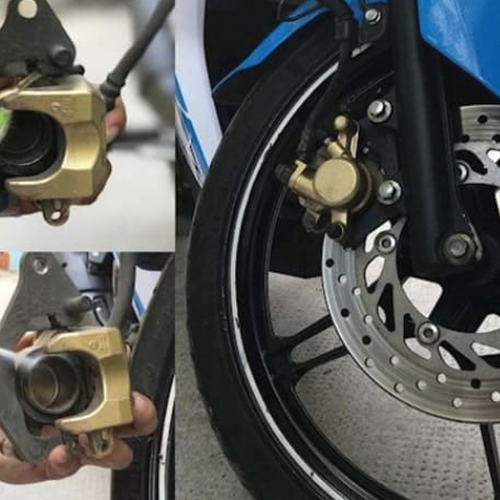
Emergency braking is important if, by chance, you happen to fall between a situation of picking up a phone call and a serious crash. It’s about applying the brakes smoothly at high speed so that the bike stays in your control, preventing a dangerous skid.
Every motorcycle has its own limits, and learning how to use both the front and rear brakes together is what you need to learn. Apply both brakes simultaneously, but remember that the balance between them changes depending on your bike’s speed and the surface of the road you’re riding on. On dry roads, your front brake does most of the work, while on wet or gravel surfaces, you have to apply the rear brake, which will help keep you stable.
Take time to practice somewhere safe, like in a parking lot or an empty training ground. The goal is to make emergency braking feel natural, not scary. And always remember to apply the brake before the turn on the road, not during it. Enter the turn under control and accelerate smoothly as you exit. Suddenly applying brakes mid-corner is one of the most common causes of low-side crashes.
With RidingMoto’s real-time safety alerts, you’ll get a warning alert about potential hazards ahead on the road, like sharp curves, traffic or slippery surfaces, which helps you react early and reduce the need for applying sudden brakes. In such situations, you need to be prepared so that you can experience a smoother and safer ride.
Body Positioning
- Stay loose but in control: Keep your upper body relaxed and your knees gently gripping the tank. Muscle tension only makes the bike harder to handle.
- Look through the turn: Your bike follows your eyes, not your handlebars. Focus on where you want to go, not on the obstacles.
- Shift your body slightly inside the corner: This balances your lean angle and keeps the bike more upright for better traction and stability.
Throttle and Brake Control
Cornering is all about maintaining smooth and controlled bike movements. Roll off gently before entering the corner and roll back on as you slowly exit. Abrupt changes in throttle, braking or body position can disbalance your bike, reduce traction, and make the turn feel unstable.
RidingMoto’s safety alerts help you stay aware of hazards like traffic, construction or sudden obstacles, reducing the chances of you applying a sudden brake, so that you can enjoy your ride safely.
3. Countersteering: The Key to Smooth and Safe Turns

Countersteering is one of those concepts in riding that is mostly misunderstood for its meaning, but in reality, it’s the key to smooth and controlled driving, especially when you are driving at higher speeds. Here, the mechanism is about pushing the handlebars in the direction you want to turn. It might sound complex, but it’s simple to follow. Many new riders try to lean during turns on the road without realising that true control starts with a gentle push on the handlebars.
Start practising at low speeds and gradually increase them as you build confidence. It’s a skill that comes through practice and repetition. With the RidingMoto community, you’ll get a supportive team of experienced riders who share and guide beginner riders.
What It Means
To turn left, you push slightly on the left handlebar, and to turn right, you push right. This counterintuitive motion causes the bike to lean in the direction of the push, creating a smooth and controlled turn.
Advanced Steering Techniques for Precise Control
Throttle Steering
Smooth throttle control plays an important role when performing countersteering. Any sudden acceleration or abrupt throttle changes should be avoided during a turn. Before you enter a curve, ease off the throttle gently, keep a steady speed through the turn, and then gradually increase it when you exit. Controlled throttle inputs maintain traction, and your bike responds better to your steering inputs.
Front Brake Help
Using the front brake properly can help in stabilising the bike during countersteering. Light and controlled front braking before the turn reduces speed without disturbing the bike’s balance. Braking mid-corner should be avoided, as this can compromise traction and cause wobble. It’s important that you apply just the right amount of input—enough for the bike to turn naturally with correct balance.
Leg Pressure
Yes, your legs rest gripping the tank while you ride, but they play a critical role in countersteering. When you press your knees lightly against the tank, it stabilises your upper body and gives the motorcycle a solid grip. Proper leg engagement allows smoother handlebar movements, making each turn feel balanced and controlled.
Rear Brake Drag
In advanced maneuvers, gentle rear brake application can subtly adjust your lean angle or slow down the bike without disturbing stability. Controlled rear brake “drag” is especially helpful when entering tight corners or correcting your line mid-turn. Avoid heavy braking, which can unsettle the chassis.
Weighting Your Footpegs
Your foot position affects how well you countersteer. When you want to lean, apply a slight pressure to the inside of the footpeg. This naturally shifts your body weight, enhancing the bike’s responsiveness. Along with handlebar input and leg grip, this helps you maintain precise control and smooth transitions while you are turning on a curve.
How to Practice Safely
- Start at low speeds (25–30 mph) on a straight and empty road so that you can safely practise for a long stretch.
- Push gently and notice how your bike responds.
- Gradually increase speed as you get comfortable.
Gradually, with time, once you master it, you’ll acquire razor-sharp control, especially during quick lane changes. Join the RidingMoto rider community to get real-world tips from experienced riders who’ve mastered countersteering and other advanced control techniques. With built-in safety alerts in the app, you’ll learn to react smarter.
4. Riding in Different Conditions: Adapting Your Skills
In the real world, motorcycle riding techniques are rarely perfect because you never know when you’ll face sudden rain, loose gravel, strong winds or slippery roads on your way. In such a situation, a rider should have adaptable skills, which a beginner rider struggles with. Advanced riders know how to read the road, adjust their speed, and modify their body position based on changing conditions. During riding, when the weather shifts, smooth throttle control and gentle braking are what you should follow.
Staying alert and understanding how to handle your motorcycle on various road surfaces and in weather conditions will help you drive safely and confidently. With tools like RidingMoto’s real-time weather updates and emergency alerts, you’ll be able to plan smarter rides and stay prepared for whatever the road throws at you. You get additional safety alerts that help you stay aware of potential threats in real time, giving you the information you need to react effectively while you drive.
| Condition | Technique Adaptation | RidingMoto Feature Assistance |
|---|---|---|
| Rain | Reduce speed, increase following distance with other vehicles, and accelerate smoothly. | Real-time weather updates with informed route planning for your best experience. |
| Wind | Maintain a firm grip, anticipate wind and adjust body position. | Wind forecasts for optimised route selection before and during your ride. |
| Night | Increase vigilance, drive using the beam appropriately, and be extra cautious. | Enhanced map visibility in night mode. |
| Gravel or Uneven Roads | Stay relaxed, use steady throttle, and keep your weight slightly back. | Surface hazard alerts via RidingMoto sensors. |
5. Rebuilding Your Riding Confidence, One Skill at a Time
Confidence after a motorcycle crash or even during skill growth doesn’t appear overnight; it’s something you build through regular practice—one step at a time. Every mile on the road is a chance to strengthen your control, awareness about riding safely, and trust in yourself while you ride. Confidence is just like a muscle — the more you work on it, the stronger it gets.
Consistent Practice with Purpose
Start riding slowly and often, but don’t just ride for the sake of it. Each session should have a clear focus so that you can improve your braking at a distance and learn to stay calm in city traffic. The goal is to progress towards perfection slowly. Even short, mindful rides can help you reconnect with your motorcycle and rebuild that natural rhythm between you and your bike.
Also, take help from an expert who can see what you can’t and spot your mistakes to guide you better. Enrol in a motorcycle training course or ride with some experienced riders who share with you real-time tips. While driving, ensure your posture is correct, your throttle control is smooth, and your braking technique is precise, which will make you feel stable and confident.
Why Rider Support Community Matters
Confidence builds and grows faster when you’re not doing it alone. Connecting with others not only builds your confidence, makes you feel connected but also reminds you that every rider, no matter how skilled today, once started exactly where you are now. Join our thriving community of riders and elevate your riding experience to a whole new level.
The RidingMoto community brings together riders from across the world who’ve faced the same fears, challenges, and breakthroughs throughout their life. Here you can share your progress, ask questions, and celebrate milestones with community members because every small win counts. With its safety alerts, the community also stays informed about potential threats that may come ahead on the road, helping everyone ride smarter and safer together.
6. Leveraging Smart Motorcycle Technology for Safer, Smarter Rides
Riding a motorcycle today with the help of modern technology has made riding safer and smoother, giving every rider a more enjoyable and hassle-free riding experience. From crash detection to real-time performance tracking, smart tools are changing the way riders ride their bikes on the road. Let’s look at some of these powerful tech tools that are helping riders ride smart while also staying connected with their fellow mates on the road.
Crash Detection and Emergency Alerts
Modern motorcycles and riding apps now come with crash detection technology that has become a true game changer for solo riders. Under any circumstances, if an accident occurs, these systems can automatically detect the impact and alert emergency contacts with your exact GPS location. This helps you get faster help when seconds count and gives you peace of mind because you know you’re never truly alone on the road.
With RidingMoto’s built-in crash detection and emergency alert system, you’ll surely ride with confidence, as the app is smart enough to call for help the moment you need it.
Real-Time Data for Smarter Riding
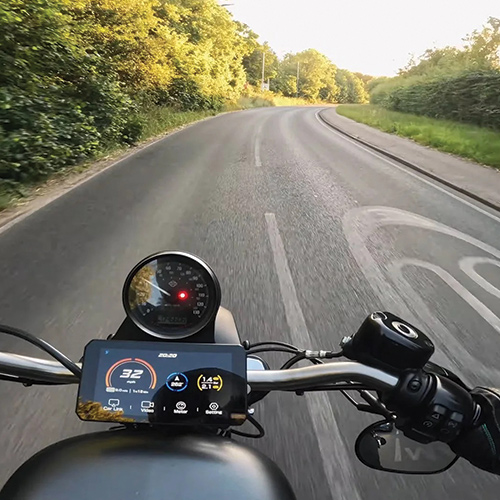
Correct knowledge is important, and when it comes to riding, data can literally make it smoother for you to ride. Gradually, with the use of these smart tools, you’ll get helpful insights that will make you understand your riding style, identify improvement in certain areas, and ride more efficiently. This smart digital coach helps you spot and correct each of your mistakes, thereby enhancing your performance after every trip.
With RidingMoto’s real-time analytics and emergency alerts, you can track your speed, lean angle during curves, braking patterns, and even environmental conditions when you drive.
7. The Rider’s Mindset – Where Skill Meets Awareness
More than a physical skill, motorcycling is a mental game. You can have the best bike, the slickest tyres, and perfect technique, but without the right mindset, even a simple ride can become stressful or unsafe. Experienced riders know that it’s the mind that controls the body. One has to stay alert, focused, and calm while riding a bike—it’s crucial, not an option. Visualisation and emotional awareness further strengthens your riding performance.
The RidingMoto app enhances your mental approach by tracking rides, recording how you felt, and highlighting areas of improvement. Looking back at this data, when you go for a drive next time helps you find patterns of your progress, improving both technique and mindset. When this tracking combines with daily practice, it builds skill and awareness over time, allowing riders to navigate roads confidently and safely.
Download the RidingMoto app today and see how smart technology can change your riding journey. It will make every ride feel safer and truly a memorable one.
FAQs
How can I improve my cornering skills?
Practice smooth inputs, use your body weight effectively, and gradually increase speed as you gain confidence.
What’s the best way to practice emergency braking?
Find a safe, open area and practice controlled braking, using both brakes simultaneously.
How do I learn countersteering?
Start at low speeds, gently push the handlebar in the direction you want to turn, and gradually increase speed.
How does RidingMoto help with riding in different conditions?
It provides real-time weather and wind updates, enhancing map visibility at night.
What are the benefits of joining the RidingMoto community?
You can connect with fellow riders, share experiences, get advice, and participate in group rides.
Is RidingMoto suitable for both beginners and experienced riders?
Yes, the app offers features and resources to benefit riders of all skill levels.
How does RidingMoto enhance safety?
Through safety alerts, real-time navigation, and community support.
How can I plan a motorcycle trip using RidingMoto?
The app offers comprehensive trip planning tools, including route optimization and point-of-interest identification.
Does RidingMoto offer offline functionality?
While many features rely on a data connection, certain map areas can be downloaded for offline use.
What type of devices is RidingMoto compatible with?
RidingMoto is compatible with both iOS and Android devices.
You can follow us on
Facebook | Twitter | Instagram | LinkedIn | Pinterest
By: RidingMoto Rider