
Table of Contents
The last blog Riding World’s Most Dangerous Roads: Complete Preparation, involved preparing for the world’s most dangerous road journey. Our next part starts where we’ll conquer Death Road and Adventure these hazardous roads.
We’ll start our ride from Bolivia’s Death Road and end the journey at Corioco, a town in western Bolivia. From there, we’ll begin stage 2. We’ve got to prepare ourselves accordingly for each road, as there is different weather. So, let’s start with Bolivia’s Death Road.
The allure of adventure calls, and in my opinion, only a few places in the world are more captivating and challenging than Bolivia’s death road. This route is renowned as treacherous and is officially known as Yungas Road.
It is a breathtaking, adrenaline-pumping stretch that attracts many motorcycle riders and is a must-ride for daring bikers who want to test their limits.
The Historical Significance of Bolivia Death Road Adventure
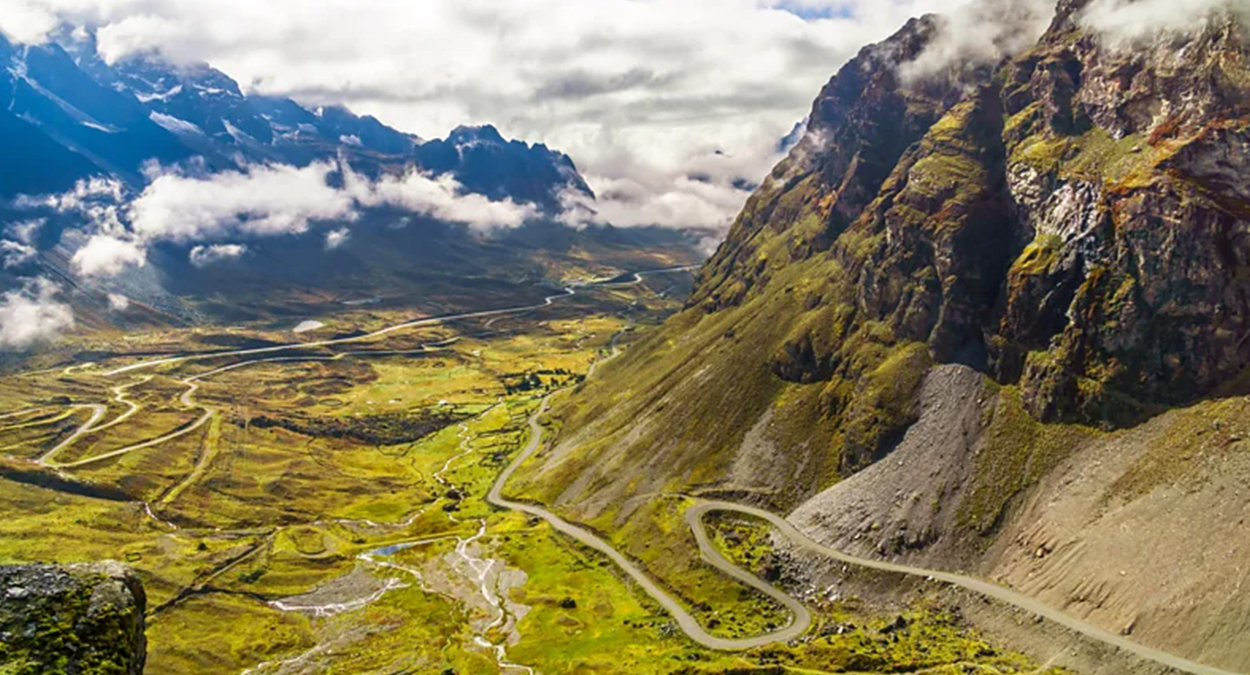
Bolivia’s Death Road is famous for its challenging train and historical significance, which adds to its mystique. The Death Road goes through the Yungas region of Bolivia and connects the administrative capital, La Paz, with Coroico, a town in the lower Yungas region.
The Death Road was initially built in the 1930s to connect the remote areas of Bolivia with La Paz. Since then, it has been the only interlink between the Amazon rainforest and Bolivia. Due to its long stretch and rugged terrain, the Death Road has gained popularity as one of the most dangerous roads in the world.
Since its establishment, the Death Road has been dangerous for travelers and is also considered the most notorious road in the world. Many motorcycle riders suggest being fully prepared for any worst-case scenario. With narrow lanes, high altitudes, sharp turns, unpredictable weather, and one of the deadliest forests (the Amazon forest), it can undoubtedly affect the lives of any riders, and a little misstep can put bikers in trouble.
The Death Road has sheer cliffs at one end; according to a report, around 200-300 people die yearly during peak time, which is why motorcycle riders fear raiding the route. The dangers were made worse by the lack of guardrails, poor visibility during the rainy season, and a combination of human error and challenging terrain.
The Road Today – An Adventure for the Brave
Today, Bolivia’s Death Road is not the primary route for travel, as there are other safer highways to connect cities with remote places in Bolivia. However, with fewer travelers and motorcyclists passing, the road has become more dangerous, making it a perfect spot for adventure seekers who want to test their limits in a stunningly beautiful yet dangerous environment.
For motorcycle riders, it’s a chance to challenge themselves while enjoying the region’s scenic beauty.
The road offers dramatic scenery, and you will ride from high altitude (around 3,650 meters or 12000 feet above sea level) to plain areas (around 1200 meters or 3900 feet). During the Death Road route, you will cross through lush tropical areas, forests, waterfalls, and some of the most challenging curves in the world.
Apart from this, the unpredictable weather makes raiding the route more challenging, even for experienced riders. The climate changes dramatically as you ride: from the cold, dry air of the highlands to the humid, green environment of the lower Yungas region.
So now you know the history and present of the Death Road, and you will probably be excited to raid it. But as we always say, precautions aren’t better than cure; you’ve got to be fully prepared for the route.
Preparing for the Challenge: Safety and Equipment for South America to Bolivia
Nature is beautiful, no doubt, but it is also home to hazards, especially on one of the most dangerous roads. Motorcycle riders are more prone to accidents compared to other modes of transportation. While the Death Road route is exciting, it is also prone to accidents or severe conditions. Also, during the long ride, riders should acknowledge the inherent risks such as dangerous roads, steep curves, lack of road safety equipment, etc. Riders must preplan everything and consider every worst scenario to mitigate the risk factors and experience adventurous rides.
Before hitting the road to death, make sure you’re ready not only physically but mentally. On these dangerous roads, you’ll need focus, skill, and respect for the conditions. Planning must start with picking suitable, high-quality riding gear.
Riding Gear For Bolivia Death Road Adventure
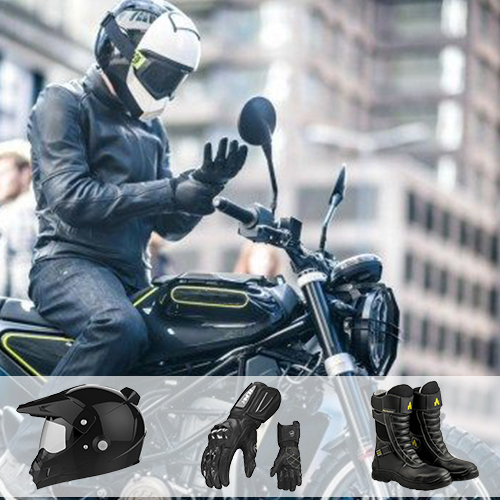
We all know riding gear is necessary for any rider, whether commuting or planning a cross-country trip. On death roads in Bolivia, riders have to wear riding gear no matter what due to the rugged terrain and unpredictable weather.
During the Death Road raid, you should have the below-given riding gear:
- Helmet: According to a report by the U.S. Transport Department, helmets reduce the 70% chance of death in road accidents. A full-face helmet with proper ventilation on dangerous roads must ensure safety and comfort throughout the route.
- Protective Jacket and Pants: If the bike crashes, there is a high chance that your body might get stuck for a long distance, which may result in skin peeling. This can be very dangerous, especially in remote places. A high-quality jacket and pants protect riders from these scenarios. Make sure the jacket and pants you pick are lightweight, armored clothing designed for long-distance riding that offers comfort and protects you in case of a fall.
- Gloves: Gloves are vital, especially for extended trips or in chilly places. I always prefer gloves that provide grip and control and are also designed to withstand the humidity and heat of the lower elevations.
- Boots: Many riders ignore the boots and ride their motorcycles with sports or other types of shoes. Wearing boots is one of the best things riders can do during the death road terrain. The terrain passes through the narrow cliffs and dangerous turns. A sturdy boot will help you balance well and keep your feet dry in the wet seasons.
Bike Preparation For Most Dangerous Roads
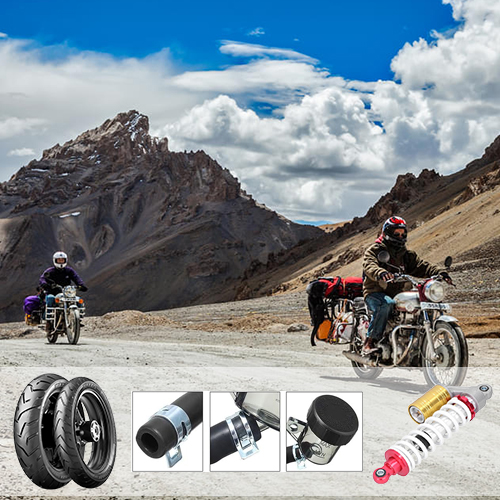
The Death Road of Bolivia is one of the most dangerous roads in the world, and you must also prepare your bike to tackle the obstacles. Before heading out on the Death Road expedition, ensure your motorcycle is in peak condition.
- Tires: Tyres are the only component that will touch the road during the entire ride. Your motorcycle tires should be in top condition, and you should always opt for dual sports tires to maintain good balance on the motorcycle.
- Brakes: Your motorcycle’s brakes should be quick and in good condition. A fraction of a second can significantly impact the ride during the ride. Check the brakes thoroughly before the ride, and make sure they are strong and responsive and work quickly on steep and tight turns.
- Suspension: A motorcycle suspension serves two purposes: handling and braking, and both are important for enhanced riding experience. Before heading out to tackle the steep curve of Death Road, ensure your suspension is set up correctly to handle the road’s bumps, rocks, and rugged parts.
Essential Tools and Equipment
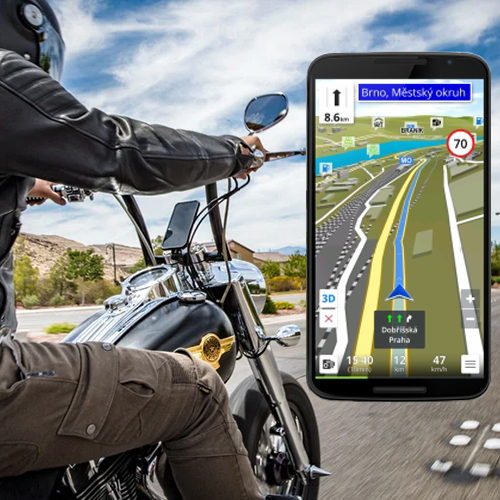
You’ve prepared yourself and your bike so far. In addition to these things, it’s a good idea to pack an essential toolkit, extra fuel, and a repair kit, as you’ll be traveling through remote areas where you’ll hardly find any repair shops. Also, always carry a phone with emergency numbers saved, a map, and a GPS to help you navigate if needed.
Pro Tip: You can use the RidingMoto application in your app and get rider-oriented features like live location sharing, download maps offline, and a crash guard that will notify the emergency numbers if the app detects any crash.
Now, let’s start our journey to tackle the Death Road of Bolivia. Firstly, you need to reach Bolivia for the adventure. The plan below is the best one for you.
How to Reach Bolivia Death Road Adventure
Bolivia is a landlocked country; hence, it is surrounded by the land, and getting to Bolivia for the iconic Death Road adventure requires careful planning. Below is how you can reach the world-renowned death route.
Decide on Your Entry Point into Bolivia
The two most preferred and suitable airports for the Death Road expedition are:
- El Alto International Airport (La Paz): Closest to the Death Road, located 4,061 meters above sea level.
- Viru Viru International Airport (Santa Cruz) is Bolivia’s largest airport, better for connections but farther from La Paz.
Generally, you can land directly at the El Alto International Airport in La Paz and continue your journey. Below is how to reach the El Alto International Airport.
Book Your Flights
From North America
- Airlines like Avianca, LATAM, American Airlines, and Copa Airlines offer flights to Bolivia, typically with layovers in Lima (Peru), Bogotá (Colombia), or Miami (USA).
- Routes:
- Miami (MIA) → La Paz (LPB)
- Los Angeles (LAX) → Santa Cruz (VVI)
From Europe
- Major carriers like Iberia and Air Europa have direct flights to Bolivia, usually landing in Santa Cruz.
- Routes:
- Madrid (MAD) → Santa Cruz (VVI)
From Neighboring South American Countries
- Regional airlines like LATAM, Boliviana de Aviación (BOA), and Avianca connect Bolivia to cities like Lima, São Paulo, Buenos Aires, and Santiago.
You can book your flight ticket to Santa Cruz or La Paz, whichever suits you. If you land at Santa Cruz airport, you must travel to La Paz for the Death Road expedition.
Travel from Santa Cruz to La Paz (if needed)
If you land in Santa Cruz, you need to move to La Paz, and there are two preferred ways to do this.
- Domestic Flight: Flights are the quickest way to reach La Paz; flights will take around one hour to take you to La Paz, and the ticket will cost you around $50–$100 one-way.
- Motorcycle rides: If you’re one of those riders or explorers who want to travel by only their motorcycle, then you should go from Santa Cruz to La Paz on your bike. This will take 18-20 hours, and you will navigate through the Andes range. I suggest going on a motorcycle and witnessing nature at its best.
Pro tip: Carry a camping tent with you to live a nomad life and get the most out of your journey.
Arriving in La Paz
La Paz will be your base for the Death Road adventure, and I recommend spending at least a day here to get comfortable with the altitude. If you’re riding a motorcycle for the first time in a high altitude, you will indeed spend at least one or two days there.
Book Your Death Road Tour
Once you reach the La Paz and get comfortable with the altitude, you can continue your journey to Death Road. You can join any local group or ride individually on the Death Road. Following will be your riding plan:
Riding the Death Road: A Journey to Remember Most Dangerous Roads
Start your ride in the early morning, around six or seven o’clock. First, you must drive to the Le Cumbre pass, a scenic drive starting at 4,700 m. Before the ride, know all the traffic rules and have complete gear.
Ride Begins
- First Segment: The first segment of death is about 22km and will hardly take about 40 min. to complete the route. It is a Paved road, and you can experience the cold breeze hitting your face. This 22km will be a good exercise and warm-up for you and your motorcycle before starting the hard part.
- Unduavi Checkpoint: After 22km of paved road, you’ll reach the Unduavi Checkpoint. Here, you may have to pay a small fee of $2 and show your ID. The Unduavi checkpoint is about 11.96 miles long and has many hairpinned curves, so you have to drive carefully on this route. Ensure your body is relaxed and your bike is in good condition to tackle the road without hassle.
Main Descent
Once you finish the Unduavi trail, you’ll ride the main death route to Corioco, your endpoint.
The death route is a gravel and dirt path with a steer drop at one side, which makes it more dangerous. Riders need to focus on the road to avoid accidents and unwanted conditions. During this ride, you’ll witness the astounding mountain range alongside cascading streams, but remember you’ll be riding, so keep your focus.
Before we proceed with riding the world’s most dangerous road, the Death Route, let me mention what you’ll face or see during the ride.
What You’ll Face on the Most Dangerous Roads, Death Road
Starting Point: La Cumbre (4,700m / 15,420 ft)
1. Environment:
- Cold, high-altitude conditions. Temperatures here sometimes can drop below freezing or may be harmful.
- Also, during the cold and hostile temperature, the air here gets thin and extra chilled, which can freeze or shut down your motorcycle, so choose to plan your trip accordingly.
2. Terrain:
- You’ll start with 22km of paved road, but after that, you’ll ride the most dangerous roads; when I say dangerous, I mean it. Prepare for your entire level for enhanced adventure.
3. Challenges:
- The first thing you’ll face is altitude sickness, as you’ll ride from 3900ft to 15,000 ft during the ride. You may also face headaches, nausea, fatigue, and sickness.
- As mentioned earlier, the air at Death Road is cold winds, and the oxygen levels sometimes drop drastically. So, you must take frequent breaks to avoid fatigue and ensure your safety.
4. Scenery:
- At starting you’ll have panoramic views of the Andes and snow-covered peaks that offer stunning photo opportunities.
The Descent: Transition to Gravel (3,200m / 10,500 ft)
- Key Section: The Unduavi checkpoint starts the gravel section, and as mentioned above, you may be charged a small fee of $2. During this section, you’ve got to be more focused as the road narrows.
- Terrain: The terrain of Unduavi consists mainly of dirt paths with loose rock and uneven surfaces. One needs to be very focused to control one’s motorcycle’s speed and balance.
- What to Expect: You’ve to cross several hairpin turns, and some of them are blind spots, so you’ve to be aware and honk in almost every turn. Here, narrow roads make this more difficult even for experienced riders.
- Challenges: During death road riding, you’ll face challenges in maintaining balance on uneven surfaces, and speed is the second thing you need to look after. Along with this, stay alert when navigating blind and tight curves, as sometimes you may pass by the local vehicle or oversized vehicles.
- Tips: I crossed the road around 3 years back, and one thing I learned from my fellow riders is to always stick to the left-hand side of the road to stay farthest from the edge and use brakes gently and steadily to prevent skidding.
Waterfall Crossings and Jungle Section (1,800m / 5,900 ft)
During and after crossing the Unduavi terrain, you will witness an astounding waterfall and the lush greenery of the Amazon forest.
- Environment: The temperature in the jungle and waterfall section is a bit warmer compared to other areas, which might be due to humidity. Also, sometimes, you may face visibility issues and unpredictable rain.
- Terrain: The road in this section is slippery due to mud and algae-covered rocks. Also, waterfalls usually keep the road wet, reducing tire grip and increasing the chances of getting skit. Hence, be careful and aware.
- What to Expect: This part is probably the best part of the ride. It is filled with vibrant greenery and a sense of immersion in nature. This section shows tropical plants, colorful birds, and butterflies, enhancing your ride and experience.
- Challenges: As you’ll be riding through the jungle section with a waterfall, there will always be a thin stream of water, which makes roads wet and slippery. Also, damp conditions make traction unpredictable, and some areas require maneuvering through shallow streams or puddles.
- Tips: Keep yourself dry, avoid frequent brakes, especially on wet surfaces, and avoid sudden stops in water-crossing areas. Also, watch for algae, which makes rocks slick.
Finishing Point: Yolosa and Coroico (1,200m / 3,940 ft)
Yes, you read it right. You’ll also cross through a fishing point near Yolosa and Corioco during the Death Road. Corioco will also be the ending point of your journey; it is a small town in La Paz with a height of 1200 m, making it the lowest elevation you’ll ride during the Death Road.
- Environment: The last phase of the death road is warm and tropical until you reach the correct. The environment in Corioco is the best during the trip, with its welcoming atmosphere.
- Terrain: The road near the Corioco town is more expansive, which makes balance and navigation easy for riders.
- What to Expect: This will be your finishing point, so get happy and look for a warm meal to give you a sense of triumph. Once you reach Corioco, enjoy local cuisine and rest completely.
So this is how you can start and complete the 2nd stage of conquering the world’s dangerous routes by completing Bolivia’s Death Road. Overall, the trip requires around ten days. However, before you start the ride, make sure you have packed the necessary documents.
Travel Documents You’ll Need
- Passport: Keep your passport with you wherever you go.
- Visa: A visa is another thing that you need to keep with you.
- Citizens of some countries (e.g., EU, Canada, Australia) don’t need a visa for short stays.
- Bolivian govt. provide on-arrival visas for people of the USA, which they can obtain upon arrival for $160.
- Yellow Fever Vaccine Certificate: You might need a yellow fever vaccine certificate during your ride, which you can get from nearby hospitals. It is not mandatory, but keep it with you if you travel from another country.
These are the documents you must carry with you. With this checklist, our second stage is completed. Now, our next destination will be Dalton Highway in North America, Alaska. We’ll meet in the next stage. Till then, ride safe, be happy, and keep grinding. Keep riding.
You can follow us on
Facebook | Twitter | Instagram | LinkedIn | Pinterest | YouTube
By: RidingMoto Rider