Table of Contents
Imagine the hum of your motorcycle’s engine and crossing winding mountain roads, endless desert highways, and lush coastal paths, riding world’s most dangerous roads. The wind whisks past your face, carrying the smells of pine forests, salty seas, and busy street markets. Every twist of the throttle takes you deeper into an adventure, closer to landscapes you have only dreamed of and cultures that broaden your horizons.
Not just a ride but a journey of six months on the most iconic roads around the world, a test of endurance, an immersion into the unknown, and a celebration of freedom – that only two wheels can bring. From Bolivia’s Death Road at a hair-raising height on perilous cliffs to Italy’s Stelvio Pass switchbacks with dizzying curves, every road has its story and promises a ride to remember.
In this guide, we’ll roadmap the entire route in detail to experience the world’s most dangerous roads in an enhanced experience. We will get down to every little detail on how to choose the perfect bike, pack for the journey, and navigate diverse terrains and challenges on the road. Raiding these routes will inspire you to embrace the road and make the world your playground. Whether you’re an experienced rider or just a dreamer longing to take that first step, these roads will give you confidence and will surely make your life adventurous.
So, buckle up the helmet and get ready to ride the world. The world is waiting for you- let’s ride the world.
Why Choose Motorcycle Travel?
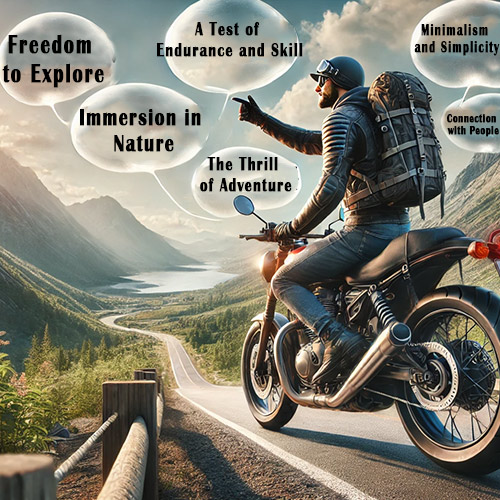
Traveling by motorcycle is beyond and is not just a mode of transportation; it is a lifestyle, an adventure, and an experience at a personal level. Unlike cars, trains, or planes, motorcycles eliminate the barriers between you and the world, and you can connect in special, unique ways with the world around you. Below are a few reasons why I prefer to ride on a motorcycle.
- Freedom to Explore: A motorcycle gives you freedom, unlike any other mode of transportation. You’re not tied to a train schedule, flight route, or even the boundaries of a car. You can stop wherever inspiration takes you: a secret trail, a roadside café, or a stunning view. When riding a bike, the Adventure is equal to the destination.
- Immersion in Nature: Motorcycling travel would bring you closer to the other natural elements than other modes of transport. On a motorcycle, you can feel the sun warming your back, the mountain’s cool mist, and the thrill of wind rushing across your face when you speed up on the open highways. It is an exhilarating sensory experience connecting you profoundly with the environment.
- A Test of Endurance and Skill: Every journey on a motorcycle is a personal challenge. Navigating bad roads like Bolivia’s Death Road or the Guoliang Tunnel in China requires concentration, skill, and endurance. Such experience will test your limits, making every journey accomplished a kind of victory.
- The Thrill of Adventure: Undoubtedly, motorcycle traveling is an adventure. You will experience the unknown looms around every corner; new landscapes, cultures, and experiences will be waiting to be discovered. Every ride is unpredictable, which keeps the excitement alive throughout the journey.
- Minimalism and Simplicity: Traveling on a motorcycle forces you to be minimalist. You only have a small space and can carry essentials like clothes, tools, and a tent. This simplicity shifts the focus from material possessions to experiences, people, and landscapes that define your journey.
- Connection with People: Travelling by motorcycle will break down barriers. When you stop in a small town, go to a roadside café, or discuss something in a specific context, people will be curious about your journey. Your motorcycle becomes the icebreaker, and you will experience the things you’ll miss through another mode of transportation. These interactions often lead to experiences one will not forget—being invited to sit in someone’s home, sharing a meal, or learning about a place from those living there.
- Unique Perspectives: With a motorcycle, you see and experience the world on a human scale. Unlike flying, which often removes you from what is happening during the ride, on a bike, you can experience the landscape changing gradually: from a bustling city to a serene countryside, from a desert to dense forests. This allows you to appreciate the beauty and diversity of our planet.
- Cost-Effectiveness: Traveling by motorcycle is also a very budget-friendly activity. Motorcycles consume less fuel than cars and can access less costly campsites to spend a night, or you can simply go camping anywhere. Also, the costs of maintaining and repairing the vehicle are typically lower, and you can easily avoid toll roads.
- Freedom and Self-Sufficiency: Riding a motorcycle gives you self-sufficiency. You learn to trust your skills and resourcefulness to find your way through unknown terrain, fix your bike, and plan your route. This feeling of self-reliance is extremely empowering. Whether you’re repairing a flat tire on the Sani Pass in South Africa or finding your way through Norway’s misty Trollstigen, each challenge overcome will boost your confidence and ability to handle anything that may come your way.
- The Life-Changing Experience: Motorcycle travel is not only a transportation or a way of seeing the world. It’s about transforming the way you enjoy and experience life. The experience of freedom, bonding, and conquering challenges during the journey completely changes your personality.
Motorcycles are life for many of us, and honestly, the adrenaline rush and camaraderie feeling that we share can’t be matched by other activities. But as we say, every coin, like a motorcycle ride, has two sides. Along with the advantages, motorcycle rides also have challenges, and when you are planning a 6-month cross country for the most dangerous rides, preparing for these challenges is vital.
Challenges of Motorcycle Travel
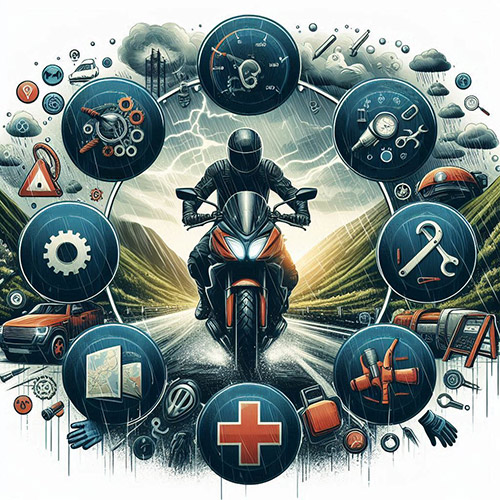
Although motorcycle travel adventure is exciting and rewarding, the challenges cannot be forgotten. Some of the obstacles make the journey memorable and also teach new things. Below is an in-depth view of the major challenges you may face and get around them during this ride.
Unpredictable Weather
Nature is pretty wild, and you’re wide open to it as a motorcyclist. Rain, extreme heat, cold, or strong winds can flip a pleasant ride into a test of endurance.
How to Handle It:
- Invest in Quality Gear: Waterproof riding jackets, pants, gloves, and boots are a must for staying dry. Heated gear is invaluable in colder climates.
- Plan Ahead: Before leaving, check the weather forecast. Based on that report, change your route or the journey time if bad weather is predicted.
- Keep Hydrated and Covered: In hot climates, drink more and more water. In addition, conduct activities wearing breathable gear to avoid dehydration.
Physical Fatigue
Riding for long hours can be tiring, resulting in sore backs or aching muscles. Riding is work, and it can be mentally taxing and physically demanding.
How to Manage It:
- Take Breaks. Make sure to stop at regular intervals to get some exercise, drink fluids, and rest.
- Maintain Fitness. Keep up those core and back muscles with exercises that help to build endurance.
- Readjust Your Bike: Make sure your seat is comfortable, and your handlebars are right in position, yielding minimal stress.
Navigational Challenges
Losing your way is somewhat frustrating and time-consuming. Bad signs, lack of GPS signal, or aged maps can make navigation sticky. How to Handle It:
- Carry Multiple Tools: Carry a GPS device, download offline maps, and keep a physical map as a backup.
- Ask Locals: Never be afraid to ask locals – they often know shortcuts and hidden gems.
- Plan Your Route: Research your journey beforehand and note important waypoints.
- Download RidingMoto: It is a customized motorcycle route planner app that offers the best route for motorcycle riders and several features.
Mechanical Issues
Motorcycles are prone to mechanical issues or may become faulty, especially when riding on the world’s most dangerous routes or for long distances on rough terrain.
How to Handle It:
- Learn Basic Maintenance: Familiarize yourself with tasks like fixing a flat tire, tightening chains, and changing oil.
- Carry Tools and Spares: Pack a basic toolkit, spare parts like fuses, tubes, or spark plugs, and repair kits.
- Regular maintenance: Check your motorcycle frequently to identify potential issues before they become major problems. Examine the tires, brakes, and fluid levels.
Safety Hazards.
Motorcycle riders are more vulnerable to being involved in an accident and getting injuries than car users. Bad road conditions, aggressive drivers, or wild animal crossing can be dramatic risk factors.
How to Manage It:
- Protective equipment- helmet, gloves, and armored riding gear.
- Ride Defensively: Be alert, keep safe distances, and avoid riding at night in unfamiliar territory.
- Know Your Limits: Do not exceed your abilities with your bike, especially on technical trails.
Restricted Bagging Space
Motorcycles have limited storage capacity, making packing for an extended trip challenging.
How to Deal With It:
- Pack Smart: Opt for lightweight, multi-functional items and roll clothes to save space.
- Use Luggage Systems: Invest in panniers, saddlebags, and a tank bag for efficient storage.
- Ship Non-Essentials: If necessary, mail extra items to your destination to avoid overloading your bike.
Language Barriers
Communication is the key to an enhanced riding experience. When traveling in an unfamiliar region where you don’t understand the language, communication can be hectic.
How to Handle It:
- Prepare important phrases like “help,” “mechanic,” or “gas station” in the local language.
- Using translation apps like Google Translate can effectively bridge communication gaps.
- Depend on Body Language: Sometimes, it is possible to get the point by using body language and hand gestures.
Availability of Petrol and Food
You may get stuck in remote areas where access to food and fuel may be a problem. This is the worst thing that can happen to you as the empty fuel tank and stomach are very serious concerns, and you can’t continue your ride.
How to deal with this:
- Prepare Your Refueling Sittings: Search for fuel stations along your route and carry extra fuel if needed.
- Pack Snacks: Carry energy bars, nuts, or dried fruits for emergency snacking.
- Taste the local delicacies, no matter how weird they may be.
Local Laws and Cultural Expectations
Each country/region has unique traffic regulations, local customs, and rules that must be followed.
How to Deal with It:
- Do Your Homework: Ante-research about local traffic laws and customs.
- Respect the Culture: Be considerate, dress decently, and maintain manners.
- Prepare Documentation: Carry all permits, visas, and insurance as required.
Loneliness and Mental Fatigue
Solo motorcycle travel sometimes feels isolated and can drain mental energies, resulting in a lack of focus or other minor issues.
How to React:
- Stay in Touch: Use technology to get connected with loved ones. RidingMoto has the necessary features.
- Combine Socialization and Solitude: Spend time at stops with locals or fellow travelers to balance socialization with solitude.
- Mindfulness: Accept the solitude as an opportunity for self-reflection and growth.
Limited Budget
We all know motorcycle travel is inexpensive but can still be a financial burden, especially if anything goes wrong or an emergency arrives.
How to Handle It:
- Monitor Expenses: Use budgeting applications to track your spending.
- Find cheaper alternatives like camping instead of staying in hotels and cooking your meals wherever possible.
- Set aside money for emergency repairs or emergencies.
High-Altitude challenges
Riding at high altitudes in the Himalayas and Andes may lead to altitude sickness, engine wear, and harsher weather experiences.
How to Manage It:
- Acclimatize Yourself: Spend some time at intermediate altitudes to get your body familiar with it.
- Bike Preparation: Get your engine optimized and get enough other support.
- Hydration Level: Drink enough water to counter altitude sickness.
The challenges that come with motorcycle travel are part of its reward. Conquering them generates the test of endurance, resourcefulness, and self-confidence. With good preparation, a positive attitude, and adaptability, you can turn them into chances for growth and lifelong stories.
Every challenge conquered has become a testament to your spirit of Adventure and a reminder that the journey is as valuable as the destination.
So these are the challenges and advantages of a motorcycle ride. Now, let’s prepare yourself to ride the most dangerous roads worldwide.
We’ve split the journey into 5stages. In the first stage, we’ll prepare all the equipment, including motorcycle and riding gear. So, let’s start with the first phase:
Stage 1: Preparation – Setting the Stage for Adventure
Preparation lays the foundation for a smooth, safe, and enjoyable ride. A preplanned ride will give you the Adventure, and honestly, preplanning is vital for a successful road trip, especially on the world’s most dangerous roads.
So, let’s discuss the preplanning of our first phase before starting with anything else. This stage is about organizing your motorcycle, gear, and route. It’s a step that cannot be rushed—every detail needs your attention. Here’s how to get everything ready for your motorcycle adventure:
Choosing the Right Motorcycle

The first step in prepping is finding the right bike for your journey. Not all motorcycles are created equal, and the type of bike you choose will have a massive effect on your ride. Whether you’re riding across city streets or mountainous rough paths, the bike you pick should match your riding style and the terrain you’ll be encountering.
- Touring motorcycles are designed for long tours due to their comfort and maximum luggage-carrying capability. I suggest this motorcycle for riding on the most dangerous roads. I recommend the Honda Gold Wing or BMW K 1600; its comfortable seats, large saddlebags, GPS in some of them, and cruise control make these motorcycles perfect for riders who value luxury and performance.
- Adventure and Dual-Sport Motorcycles: Built for Adventure and versatility, Adventure and dual sport motorcycles are another best option for dirt and mountain trails. With off-road capability and comfortable riding positions, bikes like the Suzuki V-Strom or BMW GS Series for riders are the go-to options for mixing paved roads with dirt tracks.
- Cruisers and sports bikes: When it comes to short trips or weekend rides, cruisers and sports bikes are the perfect options. These bikes can go fast, and you can cover longer distances with fuel efficiency.
When picking a motorcycle to raid dangerous roads, you should consider the following:
- Comfort: The seat, handlebars, and suspension must be comfortable for long periods on the highway.
- Performance: Choose a bike with enough power for the ride and one that can cope with all the dangerous roads.
- Storage: The bike you pick must have enough space to store all your luggage in built-in compartments or add-on saddlebags.
So, till now, you have to pick a motorcycle for your ride. Since you’ve been riding across the globe to raid the most dangerous routes, you must prepare your bike as it will be your only companion.
Preparing Your Bike for the Journey

Once you decide on a motorcycle, the next thing would be to make it road-ready. There is no room for breakdown and malfunction when miles away from a repair shop. Here’s how you can get your bike ready for the highway:
Maintenance Basics:
- Tires: Know if they are all out or on their limit. Inflate according to pressure and change your tires as soon as they reach their limits.
- Oil and Fluids: Ensure your fresh engine oil and check other must-have fluids, including brake fluid, coolant, and chain oil.
- Brakes: Make sure that the condition of the brake pads is good and that the brake fluid levels are sufficient.
- Battery: Check the battery terminals for corrosion and ensure the battery is fully charged.
- Check the Electrical System: Ensure your bicycle’s lights, indicators, horn, and battery work well. These help ensure your bike safety, especially in poorly lit hours or in challenging weather conditions.
- Check the Suspension and Steering: Test your suspension for a gentle, comfortable, firm feeling. The steering on your bike needs to be smooth and free of rigidity or play in the handlebar.
- Test the Gears and Clutch: You want to know whether the gear shifter and clutch work smoothly. Problems with shifting can be frustrating, especially when on a long ride.
- Pack a Motorcycle Toolkit: Carry a basic toolkit for minor repairs, such as tire-changing equipment, a chain tool, and a few extra fuses. Include tire plugs, a patch kit, and a portable air compressor in your emergency kit.
Packing your Gear

Your gear will be crucial to your comfort and safety on the road. Here’s a breakdown of essential items to pack:
Protective Gear:
- Helmet: A high-quality helmet is non-negotiable. Look for one that’s comfortable, lightweight, and meets safety standards like DOT, ECE, or SNELL.
- Riding Jacket and Pants: Select jackets and pants from the toughest material, leather or textile, with built-in armor to protect your body from impact. Another important thing for gear is that it should be able to manage both heat and cold.
- Gloves and Boots: Invest in weather-resistant, comfortable, and protective gloves. Look for sturdy and waterproof boots that at least cover your ankles.
Weather Gear:
- Pack waterproof rain gear: Nobody wants to get wet, especially when challenging the world’s most dangerous roads. Don’t think it’s summer and there will be no rain. Weather is the most unpredictable thing, and you must be ready for all types of weather.
- Pack heated gear: During the dangerous road ride, you’ll be traveling in one of the coldest places, so you must pack the gear to stay warm.
Luggage:
- Saddlebags or Panniers: You just can’t carry all your stuff in your hands and have to invest in a reliable saddlebag or pannier. Always go for a waterproof saddlebag and panniers.
- Tank Bag: A tank bag is optional but will allow you to conveniently access the required items, such as maps, wallets, snacks, or other items needed immediately.
- Dry Bags: Dry bags help dry clothes and electronic equipment in heavy rain. But if you have a waterproof saddle bag, this one is optional.
Camping Gear:
- When encountering the most dangerous roads, you’ll ride almost 20+ countries, and it’s not everyone’s cup of tea to afford a nice and warm bed every day. I suggest you pack a lightweight tent with a sleeping bag and cooking equipment. Carrying these things will allow you to stay anywhere, even in remote areas, and enjoy nature.
First-Aid Kit:
Last but not least, a small first aid kit must be carried. Your first aid kit should include bandages, antiseptic wipes, pain relievers, and prescribed personal medications.
Now, you’ve prepared your riding gear and motorcycle to ride the world’s most dangerous roads. Next, we’ve to choose a route that will cover all the dangerous roads, so let’s start:
Motorcycle Route Planning

Planning your route is a must, especially for a long motorcycle journey that will take you through 20+ countries and some of the most challenging routes in the world. Preplanning the route will prevent undue detours, save time, and ensure you do not miss anything particular at any given or specific service point. When planning your route:
Use online mapping tools:
- Use Google Maps or RideWithGPS to plan your route and search for rides based on your skill level and what kind of experience you seek.
- You can also use the RidingMoto application, which is well-known for offering customized motorcycle routes worldwide. Also, you can pick routes created by other riders with all the route highlights here.
- Always choose a mix of highways and back roads for a perfect combination of speed and nature.
- Plan rest stops and fuel stations if you plan a route through unpopulated areas. Don’t count on finding a gas station just when you get there—plan for refueling.
- There will be unexpected detours or road closures. Always get ready with a plan B so you’re not left stranded without any options.
Planning your Budget for the Trip
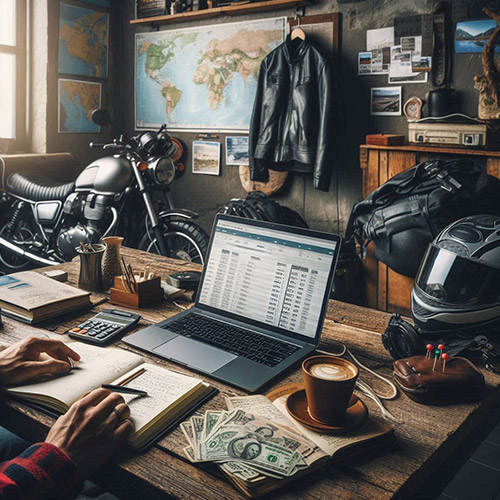
Adequate budgeting will be required when you want to experience an adventure by motorcycle without stress on the financial side. You don’t want to exhaust your funds mid-journey. Riding on the world’s most dangerous roads will take almost 6 months, and you’ve to plan a budget for many things, including:
- Fuel Costs: Fuel will be the most expensive thing during the ride. Consider your bike’s mileage and plan a budget for fuel expenses. Also, consider fuel-efficient routes and account for the fuel cost in any regions or countries you travel through.
- Accommodation Costs: Accommodation will be the next thing you must take care of. Where you’ll stay depends largely on your location, but campsites tend to be the cheapest. Research where you’ll stay beforehand, and you can also carry a camping tent to save a few bucks on accommodation.
- Food and Water: Pack snacks and water and save money to dine. Use natural water resources to fill your water bottles. Also, consider local eateries for food; they might be cheaper than your usual tourist area and add up to an experience.
- Emergency Fund: Always keep extra funds for unexpected costs like repair, visiting a medical doctor for some minor sickness, or unscheduled hotel stay.
We are at the end of our first phase of riding the world’s most dangerous roads. Last but not least will be Our documents and safety.
Personal Safety and Documents
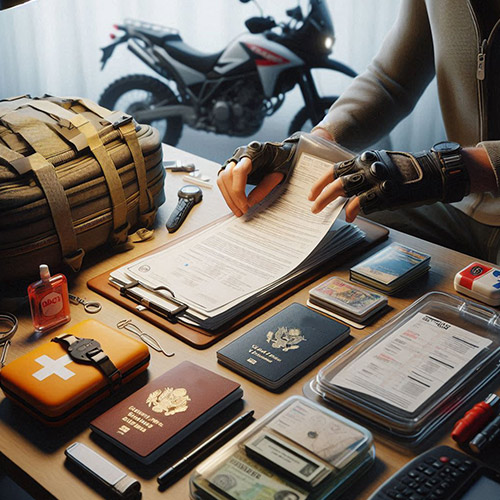
Be prepared for anything that can go wrong on the road. Make the proper provision for all documents and safety precautions before embarking on your journey.
- Motorcycle License: Make sure your motorcycle license is valid for countries/regions you will be traveling to, especially if crossing borders. Some countries may also require an IDP.
- Travel Insurance: Get travel insurance that includes coverage for a motorcycle, as well as medical evacuation if needed. Both things are extremely useful when traveling internationally or to remote areas.
- Health and Emergency Contacts: Know the local emergency contact telephone numbers of police stations, hospitals, and fire stations. Carry a list of important contacts with medical information.
- Visas and Permits: If crossing borders, you must ensure you have the visas, permits, and vehicle documents required for legitimate cross-border travel.
So that’s all for today’s blog, and we’ll continue with our next part, where we’ll start our journey to ride the world’s most dangerous roads. You can redirect to the next part by clicking.
Stage 2: Conquering the Bolivia, Death Road Adventure
You can follow us on
Facebook | Twitter | Instagram | LinkedIn | Pinterest | YouTube
By: RidingMoto Rider