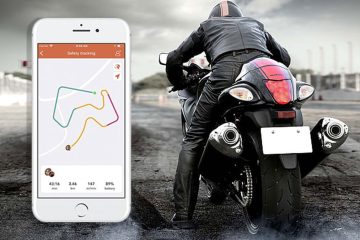
Riding your bike on the road with the wind blowing on your face gives a feeling of freedom. Biking is not just a mode of transport, but it’s also adventurous if you feel that way. But even the most passionate riders do make mistakes while riding, and some of these mistakes seem small but affect your safety, comfort, and confidence on the road.
Whether you’re a beginner who has just bought your first motorcycle or a seasoned motorcyclist with years of experience, these riding mistakes are common on roads, but every mistake has a simple solution.
In this detailed and beginner-friendly guide, we’ll look at ten major riding mistakes, why they happen, and how to avoid them. You’ll also learn how correctly using the riding tools can make your rides safer and even more enjoyable.
1. Neglecting Pre-Ride Checks: The Simplest Mistake With the Biggest Consequences
A lot of riders see pre-ride checks as a boring task. But what if you consider it as a short ritual – a moment to check your bike before hitting the road. Many accidents could be avoided if riders spent just 2–3 minutes on this small check before going on a ride. Some of them include:
- Tyres: Your tyres are in direct contact with the road. So ensure they have proper air pressure in them and don’t forget to check for any cracks or punctures. Low tyre pressure is risky during long rides.
- Engine Oil and Other Fluids: Low oil can cause overheating of the engine and may threaten its damage or complete engine failure. Remember to check for oil levels, coolant level and brake fluid.
- Lights and Indicator: A defaulted taillight or indicator may seem small, but it can be deadly. Ensure that the headlights are bright, the Indicators are blinking, and the brake lights respond when you press the brake.
- Brakes: Your brakes are your lifeline while you ride on the road. Examine the fluid level and even for brake pad wear and tear. Even a slightly loose brake response is a serious warning sign.
- Chain and Sprocket: A dry or loose chain has a risk of breaking at high speed. To avoid that, it’s important to lubricate and adjust your chain regularly.
By doing these simple checks, you can drastically reduce the risk of sudden failures in the middle of the ride. The RidingMoto app helps you track service reminders, low tyre pressure, and regular motorcycle maintenance schedules, so nothing slips through your list.
2. Ignoring Weather Conditions: A Serious Riding Mistake

The weather can turn a smooth journey into a risky one in seconds. Many riders underestimate how quickly road conditions change, especially during rain or high winds. Understanding the weather conditions that might come along the way, while knowing how to keep yourself prepared and safe in such situations, is important.
Why Weather Matters So Much
- If it rains while you are riding, it drastically reduces the visibility.
- Heavy storms and harsh winds can push your bike sideways.
- Fog reduces visibility, making it very difficult and risky to drive.
- Extreme heat can cause fatigue faster, and you might feel tired.
How to Stay Safe
- Check weather before leaving home
- Slow down whenever road feels slippery
- Avoid sudden braking in wet conditions
- Keep a larger distance from other vehicles
Some dedicated motorcycle apps offer correct weather updates directly on your navigation screen. It warns you about storms, strong winds, or heavy rain ahead on your route so that you can stay prepared. You can also plan your route using their trip planner feature to avoid any risky routes.
3. Why Turning In Corners Feels Tough for Many Riders
Correctly taking a turn is cornering and is one of the trickiest parts of riding. Many riders enter corners too fast, and some lean incorrectly, which creates panic mid-turn. Let’s look at some of the most common mistakes riders make during a turn.
| Mistake | Solution |
|---|---|
| Braking hard mid-corner | Brake before entering the turn and once inside, maintain steady throttle for smooth control. |
| Leaning too much or too little | Practice finding the right lean angle that suits your bike and that you are comfortable in. |
| Looking down instead of ahead | Keep your eyes focused on the road to avoid any mishap. |
| High speed before a curve | Avoid fast riding before a curve to avoid any panic or over-braking that might cause your bike to skid. |
You’ll learn these correct turning techniques with time, not speed. But practising them is crucial, otherwise even a small mistake on a road can lead to a big mishap.
4. Overconfidence and Fast Riding: A Big Risk Many Riders Forget About
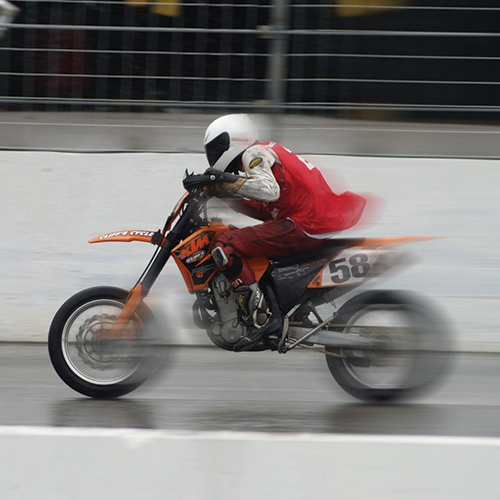
Fast riding surely feels thrilling, but it’s often the biggest cause of motorcycle accidents in the world. Many riders push their speeds to satisfy their ego, which excites them, forgetting that within seconds of a crash, they might lose their life.
Some Common Signs of Fast Riding
- Sudden acceleration – when you feel excited and want to feel that thrill.
- Hard braking during high-speed drives.
- Sharp lane cutting while overtaking vehicles.
- Riding too close to other vehicles.
- High speeds on unfamiliar roads.
How Fast Riding Becomes Dangerous
- Fast riding at high speeds reduces your reaction time significantly. In case of an emergency brake situation, it becomes risky.
- The motorcycle shakes at high speed.
- Other drivers can’t predict your movements.
How to Fix It
- Match your speed to your skill level, but still don’t overspeed.
- Use smooth acceleration and braking techniques.
- Ride at a steady pace where you feel comfortable.
- Know that there is a difference between confidence and recklessness.
Modern motorcycle apps come with a route planner feature that helps you choose safer and smoother paths, which is better than taking a risky shortcut or any unfamiliar route.
5. Failing to Plan Your Route and Riding Blindly
Spontaneous rides are great, and those “let’s just go” moments carry their own kind of excitement. But when it comes to long rides, that same carefree mind can turn into stress real quick. A proper plan protects your adventure by making your journey smooth and hassle-free. When you already know the route, fuel stops on the way, weather, and how much time you’ll take to reach your destination, you can comfortably enjoy your journey. This way, with the mix of a little preparation, you can enjoy the thrill of your ride and get ready for a smoother, more memorable journey.
Why Planning Matters
- You avoid unexpected mishaps on the route.
- You know where fuel stations are beforehand, which saves your time.
- You can avoid bad roads as you researched and planned the safe ones.
- You save a lot of fuel.
What Good Route Planning Includes
- Knowing your start and end point.
- Understanding road quality so that you can choose the best path.
- Checking the traffic ahead on the GPS.
- Knowing resting stops and fuel stations.
- Sharing your route with someone for safety.
Riding smart means you need to be aware, not perfect. These common mistakes during a ride can be easily fixed with a bit of attention and practice. When you understand why these mistakes are happening, you’ll possibly avoid them in future. If you prepare for the ride beforehand, stay mindful, and keep sharpening your skills, then every journey will become safer and more enjoyable.
6. Losing Sight of the Road: The Mistake That Sends You Off Track
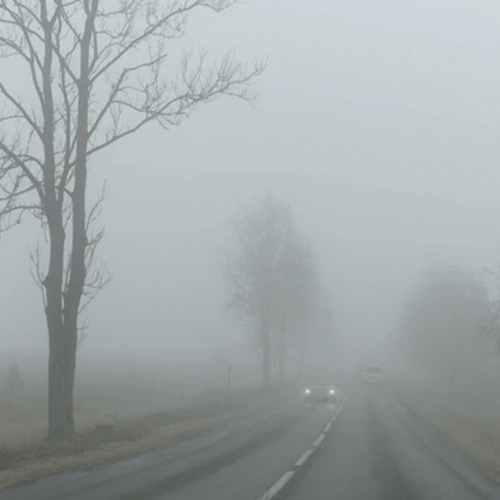
Many accidents happen due to a lack of focus while riding, and these careless mistakes are ones that almost every rider has made without even realising them. Whichever direction you look, your body and hands unconsciously guide the motorcycle in that direction. So don’t be surprised if you happen to fall in a pothole if you are stuck looking at something in there. It’s a natural human reaction, but if such a mistake happens during driving, it can quickly turn into a big accident.
To avoid this, a rider should look far ahead instead of down at the road immediately in front of them. When you turn on the road, make a habit of turning your head toward the exit of the turn, not somewhere else. This helps you maintain the stability of your motorcycle and avoid any panic reactions if something unexpected appears on the way ahead. Always keep your eyes focused on the path you are driving on, not the obstacle you’re trying to avoid.
If you master your visual focus while driving, you remove half the guesswork involved, making each ride calmer and more enjoyable.
7. Gear & Bike Setup Mistakes: Small Issues That Affect Safety in a Big Way
When riders drive, they focus on maintaining the correct speed limit and other correct ways to avoid riding mistakes, but overlook the gear and the right bike setup. These little things might look unimportant at first, but they actually make a big difference in how safe and comfortable we feel while riding. Even the smallest mistakes, like wearing loose clothes or having low tyre pressure, can cause problems, but don’t worry, they are completely avoidable.
Common Gear & Setup Mistakes
Many riders make these mistakes while driving without realising how much they affect the control of the motorcycle and one’s reaction time:
Wearing loose clothes or scarves
Very loose clothing catches the wind, sometimes causing the scarves to flap around, which can distract you.
Shoes with long laces
Long laces can loop around the gear, brake pedal, or foot pegs, making it difficult to move your foot quickly when needed. So make sure to tie them properly for a safe ride.
The bike size is too tall or too heavy
If your bike doesn’t fit you, balancing it will surely become harder. When stopping your motorcycle, it becomes unstable, and balancing during speed rides becomes a challenge.
Low tyre pressure
Even a slight drop in PSI affects handling, cornering stability, and braking, especially when driving on a highway. Low tyre pressure also wears out faster.
Dry or poorly maintained chain
A dry chain adds resistance, reducing smooth power delivery. It can also snap in rare cases, which is a major safety risk.
Loose handlebars, mirrors, or controls
If your mirrors vibrate or your bars shift under pressure, your control and vision are compromised. Make sure to position them correctly with tight screws.
How to Fix These Issues
You don’t need special tools or technical skills to ride. Awareness about a simple list of things to follow to drive safely is enough.
1. Wear proper fitted gear
- Choose jackets, gloves, and pants that fit you properly without restricting hand or leg movement.
- Avoid anything that flaps or hangs loose like a loose scarf or a very loose jacket.
2. Ensure your bike fits you in size
- When seated, both your feet should touch the ground comfortably.
- Your arms should reach the bars without stretching.
3. Maintain your tyre pressure at the correct levels
- Check for low tyre pressure weekly.
- Follow the manufacturer’s recommended PSI for your bike.
4. Lubricate your chain at regular intervals
- Clean and lubricate it once a week or after every long ride.
- This keeps your ride smooth and prolongs chain life.
5. Adjust mirrors and controls
- Set mirrors at the correct angles to eliminate blind spots.
- Make sure handlebars, brake levers, and clutch levers are tight and comfortable to reach.
Just a few minutes spent checking your gear, correctly adjusting your mirrors, or inflating your tyres can save you from unexpected accidents while driving. In a sudden braking situation, even a small defect in the motorcycle can turn life-threatening. When your motorcycle maintenance is top-notch, you ride with more confidence and a lot more peace of mind. These tiny habits might feel basic, but they make every ride smoother and safer.
8. Lack of Practice & Training: The Mistake That Slows Your Progress
Most riders learn the basics and then stop practising. But real confidence comes from continuous practice — especially slow-speed skills.
Practice These Regularly
- U-turns
- Braking smoothly
- Smooth clutch control
- Figure 8 pattern
- Slow straight-line balance
- Quick stops
Take a Safety Course
A professional course teaches:
- Advanced turning techniques
- Emergency braking
- Avoiding collisions
- How to build your confidence
Even experienced riders benefit from refresher training.
How a Motorcycle Dedicated App Like RidingMoto Helps You Avoid All These Mistakes With Its Advanced Features
RidingMoto is a motorcycle app that feels like you have someone to help and remind you of the things you might forget on the road. It keeps you prepared and updated about important riding gear, best routes and motorcycle maintenance, so that you can plan your next trip stress-free.
Smart Reminders from RidingMoto That Make Your Ride Smoother and Safer
- Regular tyre pressure reminders
- Service and motorcycle maintenance alerts
- Updated weather notifications
- Smart route planning
- Hazard alerts that might be ahead on the way
- Live location sharing for safety
- Provides your ride history and performance stats
This app helps you ride smarter with the help of all these tools working together, so that you feel safer and more confident on every journey. It brings peace of mind to riders, so the journey becomes enjoyable and hassle-free.
Conclusion
One of the greatest joys of riding a motorcycle is experiencing the freedom that comes from feeling connected to the road, enjoying the wind and nature that gives you that dopamine and serotonin shot and those little moments that make the ride memorable. However, avoiding riding mistakes to ride safely doesn’t happen by chance. It comes from good habits that you follow with discipline. They include checking your motorcycle before you go somewhere long-distance, giving importance to the weather updates, keeping your speed under control, not getting distracted while driving and maintaining a slow and steady speed for safety.
Ride safe, stay aware, keep enjoying your journey and make it adventurous.
FAQs
How does RidingMoto help with pre-ride checks?
RidingMoto offers customizable checklists to ensure you don’t miss critical checks.
Can RidingMoto predict weather changes during a ride?
Yes, RidingMoto provides real-time weather updates and alerts along your planned route.
How does RidingMoto assist with cornering techniques?
While it doesn’t directly teach technique, RidingMoto helps plan routes with less challenging corners.
Does RidingMoto help assess risk levels on different routes?
It displays road conditions and potential hazards based on community reports and data.
How does RidingMoto facilitate route planning?
It offers detailed maps, avoids toll roads (if selected), and suggests optimal routes for motorcycles.
Can I share my ride plan with others using RidingMoto?
Absolutely! The app allows you to share your route and estimated arrival time with friends and family.
Is RidingMoto compatible with all motorcycle models?
While it works seamlessly with most modern bikes, compatibility may vary. Please check the app store for details.
Does RidingMoto have offline functionality?
Partial offline functionality is available for map viewing and pre-downloaded routes.
What kind of safety alerts does RidingMoto offer?
Alerts include weather warnings, road closures, and accident reports from other users.
Is there a cost associated with using RidingMoto?
RidingMoto offers a freemium model, with premium features available via a subscription.
Table of Contents
You can follow us on
Facebook | Twitter | Instagram | LinkedIn | Pinterest
By: RidingMoto Rider