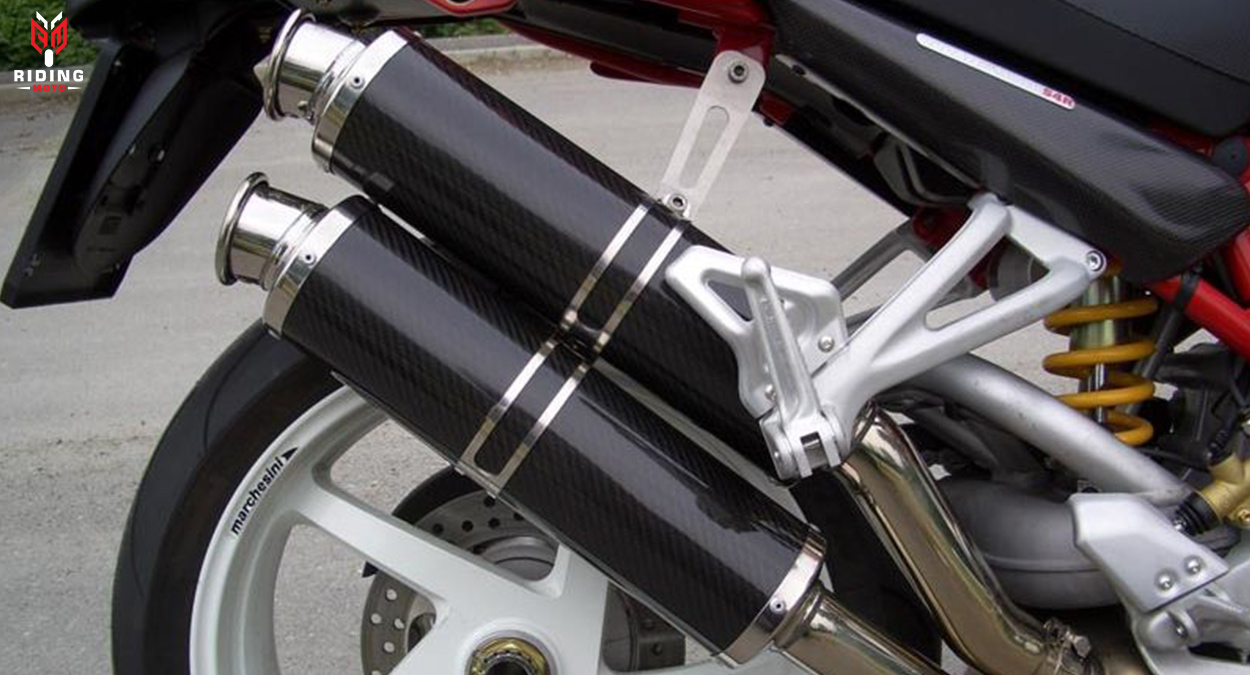
The exhaust systems on your bike is more than just a noisemaker, it’s a crucial component that significantly impacts both performance and fuel efficiency. From the subtle purr of a stock system to the throaty growl of a performance upgrade, the exhaust plays a vital role in how your bike breathes and, ultimately, how it performs on the road. This comprehensive guide will delve into the intricate relationship between your bike’s exhaust system and its overall performance, offering insights that will help you make informed decisions about modifications and maintenance.
We all crave that exhilarating feeling of power and speed, that effortless acceleration that leaves you breathless. But alongside the thrill, we’re increasingly aware of the impact our machines have on the environment and our wallets. Finding the sweet spot between raw power and fuel efficiency is a constant balancing act, and understanding your exhaust system is key to mastering this delicate dance.
This is where RidingMoto comes in. Our motorcycle riding app offers a powerful suite of tools designed to help you plan your rides, track your fuel consumption, and even find the best routes based on your bike’s specific performance characteristics. As you learn more about how your exhaust system affects your bike’s fuel efficiency and performance, you’ll see how RidingMoto can help you optimize your riding experience. We’ll be highlighting specific features throughout this article to show you how our app can enhance your understanding and enjoyment of motorcycle riding. Think of it as your digital co-pilot, helping you navigate the complex world of motorcycle mechanics and optimization. Let’s dive in!
The Fundamentals of Exhaust Systems
Understanding the Exhaust’s Role
At its core, the exhaust system’s primary function is to expel the burnt gases produced during combustion. These gases, a mixture of carbon dioxide, water vapor, and other byproducts, need to be efficiently removed from the engine to prevent back pressure. Back pressure is the resistance to the flow of exhaust gases, and excessive back pressure significantly hampers engine performance. Think of it like trying to blow air through a straw that’s almost completely blocked – it’s difficult and inefficient.
Components of a Typical Exhaust System
A typical motorcycle exhaust system consists of several key components:
- Exhaust Headers: These are the primary pipes that collect the exhaust gases from each cylinder.
- Catalytic Converter (where applicable): This component reduces harmful emissions by converting pollutants into less harmful substances.
- Muffler: This is where the noise reduction primarily occurs. The muffler’s design greatly influences the exhaust note and back pressure.
- Exhaust Pipe: This is the final pipe that carries the exhaust gases to the atmosphere.
Material Matters: Steel vs. Titanium vs. Carbon Fiber
The material of the exhaust system also impacts performance and weight. Steel is common due to its affordability and durability, but it’s heavier than other options. Titanium offers significant weight savings, improving handling and potentially performance, but comes with a higher price tag. Carbon fiber offers a similar weight advantage to titanium and is increasingly popular for its aesthetic appeal. The choice depends on your budget and priorities.
How Exhaust Affects Performance
Back Pressure and Power Output
As mentioned earlier, back pressure is a critical factor influencing engine performance. A restrictive exhaust system creates excessive back pressure, hindering the engine’s ability to expel burnt gases efficiently. This can lead to reduced power output, slower acceleration, and a loss of overall responsiveness. Conversely, a less restrictive exhaust can allow for better scavenging of exhaust gases, resulting in improved power delivery and increased horsepower.
Engine Tuning and Exhaust Upgrades
Exhaust modifications often necessitate engine tuning adjustments to optimize performance. Changing the exhaust system alters the engine’s breathing characteristics, which can affect the air-fuel mixture and ignition timing. Professional tuning ensures the engine runs optimally with the new exhaust, maximizing power gains and preventing damage. This is where understanding your bike’s specifications and leveraging tools like RidingMoto’s detailed performance tracking features are beneficial. Understanding your baseline data before and after modifications allows for precise assessments.
Case Study: Performance Gains with Aftermarket Exhausts
Numerous case studies showcase significant performance gains from aftermarket exhaust systems. For example, a study conducted on a popular sportbike model revealed a 5-7% increase in horsepower and torque with a well-designed aftermarket exhaust system, paired with appropriate ECU remapping. This demonstrates the potential for significant performance enhancements.
The Impact on Fuel Efficiency
The Exhaust’s Role in Fuel Consumption
While performance gains are often the primary focus, exhaust modifications can also affect fuel efficiency. A poorly designed or overly restrictive exhaust system can actually reduce fuel efficiency by increasing engine load and reducing combustion efficiency. Conversely, a well-engineered exhaust system, particularly one designed for optimal flow, can potentially improve fuel economy, albeit usually marginally. The key is finding the right balance.
Factors Influencing Fuel Efficiency with Exhaust Changes
Several factors contribute to the impact of exhaust changes on fuel efficiency:
- Back Pressure: As discussed, excessive back pressure leads to inefficient combustion and increased fuel consumption.
- Air-Fuel Mixture: A properly tuned engine, adjusted for the new exhaust system, is crucial for maintaining optimal air-fuel ratios and preventing excessive fuel consumption.
- Riding Style: Aggressive riding will always consume more fuel, regardless of exhaust modifications.
RidingMoto’s Fuel Tracking Features: Monitoring Your Consumption
RidingMoto’s built-in fuel tracking capabilities allow you to monitor your fuel consumption before, during, and after any exhaust system modifications. This data-driven approach allows you to quantify the impact of your changes and make informed decisions about future upgrades. You can precisely record fuel levels, mileage, and calculate your fuel efficiency to track improvements or reductions.
Legal Considerations and Emissions
Compliance with Noise and Emission Regulations
Modifying your exhaust system can have legal ramifications. Many jurisdictions have strict regulations regarding noise levels and emissions. Aftermarket exhausts that don’t meet these standards can lead to fines or even legal action. It’s crucial to check your local regulations before making any modifications.
Emissions Testing and Exhaust Modifications
In some regions, vehicles are subject to periodic emissions testing. Modifying the exhaust system without proper consideration can cause your bike to fail these tests. It’s essential to understand the implications of exhaust modifications on emissions compliance in your area.
Choosing Compliant Exhaust Systems
Several reputable manufacturers produce aftermarket exhaust systems that comply with noise and emission regulations. These systems often provide performance gains while remaining within legal limits. Always check for certification and compliance documentation before purchasing any exhaust upgrade.
Choosing the Right Exhaust System
Factors to Consider When Selecting an Exhaust
Choosing the right exhaust system requires careful consideration of various factors:
- Performance Goals: Are you aiming for maximum horsepower, improved torque, or a combination?
- Sound Preference: Do you prefer a subtle rumble or a more aggressive roar?
- Budget: Exhaust systems vary significantly in price, ranging from budget-friendly options to high-end performance systems.
- Weight: Consider the weight implications, especially if you’re aiming for improved handling.
- Legal Compliance: Ensure the exhaust meets local noise and emission regulations.
Researching and Comparing Different Exhaust Brands
Extensive research is essential when choosing an exhaust system. Explore reviews, compare specifications, and consider the reputation of various manufacturers before making a purchase. Online forums and motorcycle communities can be valuable resources for gathering information and insights from experienced riders.
Installation and Maintenance
Professional Installation vs. DIY
Installing an aftermarket exhaust system can be challenging, and attempting a DIY installation without proper expertise may lead to issues. For complex installations or if you lack experience, professional installation is highly recommended. A qualified mechanic can ensure correct fitment and avoid potential problems.
Regular Maintenance of Your Exhaust System
Regular maintenance of your exhaust system is crucial for its longevity and optimal performance. This includes inspecting the system for damage, leaks, and corrosion. Keeping your exhaust clean will improve the efficiency of the components within it.
RidingMoto’s Role in Optimizing Your Ride
RidingMoto is designed to be the ultimate companion for motorcycle enthusiasts, and its features are directly relevant to managing and understanding your exhaust system’s impact. Our app provides tools that go beyond simply tracking fuel efficiency; it helps you understand how modifications affect your riding experience. Features like route planning based on engine characteristics and performance data logging help to inform decisions regarding exhaust upgrades. For example, you can utilize RidingMoto’s route planner, choosing optimal routes for fuel economy or for routes ideal for testing the raw power of a new exhaust system. With detailed data recording and analysis capabilities, RidingMoto empowers riders to personalize their experience and gain valuable insights.
Conclusion: Harmonizing Performance and Efficiency
Understanding the intricate relationship between your motorcycle’s exhaust system and its performance and fuel efficiency is essential for maximizing your riding experience. While performance gains are often desirable, it’s equally important to consider the impact on fuel consumption and legal compliance. By carefully selecting an exhaust system that balances performance with efficiency and adheres to regulations, you can enhance your bike’s capabilities while remaining responsible. Remember to use RidingMoto to track your progress, record data, and plan your next adventure. Download RidingMoto today and unlock a world of possibilities!
FAQs
Will changing my exhaust void my warranty?
Modifying your exhaust system may void aspects of your warranty, depending on the manufacturer and the specific modifications made. Consult your owner’s manual and your motorcycle dealer for specific information regarding warranty implications.
How much does a typical aftermarket exhaust cost?
The cost of aftermarket exhaust systems varies considerably, ranging from a few hundred dollars to several thousand dollars, depending on the brand, material, and features.
Can I install an aftermarket exhaust myself?
While some riders successfully install aftermarket exhausts themselves, it’s often a complex process requiring specific tools and knowledge. For complex installations, professional installation is highly recommended to avoid potential damage.
Does a louder exhaust mean better performance?
Not necessarily. While a louder exhaust may suggest less restriction, it doesn’t directly equate to better performance. A well-engineered exhaust can provide significant performance gains without excessive noise.
How often should I clean my exhaust system?
Regular visual inspections are recommended. The frequency of cleaning depends on your riding conditions, but generally, cleaning is more relevant for off-road riding or dusty environments.
How can RidingMoto help me track the impact of an exhaust upgrade?
RidingMoto’s fuel tracking and performance monitoring features allow you to track fuel consumption before and after the upgrade. You can compare data points and assess the impact on your fuel efficiency and acceleration.
What if my aftermarket exhaust doesn’t comply with local regulations?
Operating a motorcycle with a non-compliant exhaust can result in fines or legal penalties. Ensure your exhaust meets all local noise and emissions standards before installation.
Can RidingMoto help me find routes suitable for testing my new exhaust?
Yes. RidingMoto’s route planning features allow you to filter routes based on factors like elevation changes and road type, enabling you to find stretches ideal for performance testing.
Does RidingMoto offer any resources on different exhaust brands?
While RidingMoto doesn’t provide specific endorsements, our app connects you with a wide community of riders who can share their experiences and recommendations for various exhaust brands.
My bike is losing power; could it be related to the exhaust?
A clogged or damaged exhaust system can restrict exhaust flow, leading to reduced power. Inspect your exhaust for damage or blockages. If the problem persists, consult a qualified mechanic.
You can follow us on
Facebook | Twitter | Instagram | LinkedIn | Pinterest | YouTube
By: RidingMoto Rider