Motorcycle rides are the best and easiest way of transport. I mean, imagine yourself cruising down a back road, wind in your face and feeling like you’re gliding through the air. However, as we know, not every journey is adventurous because who knows which one will become misshapen. The only bad thing about motorcycle rides is that the risks of motorcycle crashes are higher than those of four-wheelers. Also, you can get severely injured if you’re not using the right gear while riding.
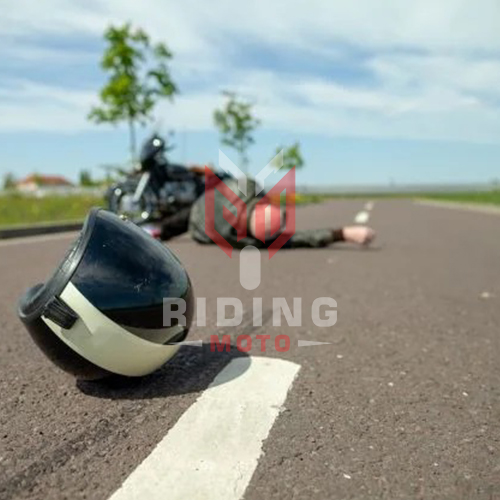
Getting into a motorcycle crash is not just about physical impact; what hurts the most is the fear that gets stuck in our minds after accidents. Sometimes, many riders get so injured or traumatised that they are scared to touch their motorcycle again. I’ve been there myself. I remember riding through the Himalayas in India and suddenly, on the steep curve, a local driver collided with me. This crash gave me a scary scar on my hand and feet, which always reminds me of that accident whenever I look at it. I wished there had been some crash detection technology for all two-wheelers that could automatically alert my emergency contacts or help the rescue team reach me faster.
A motorcycle crash not only injures your body but also shakes your confidence in driving with the same thrill as you used to. Modern motorcycles with crash detection systems and real-time safety alerts can help riders regain control, confidence and minimise risks during driving. However, after 5-6 months of careful recovery after the crash, I gradually rebuilt my courage to ride my motorcycle again. Today, I have visited over 27 countries and am lucky to have never had an accident again.
In this RidingMoto guide, I’ll share my story of how I recovered from my motorcycle crash incident and gathered the courage to hit the road and feel the thrill of riding again. I’ll also share my views on tools like crash detection, real-time navigation, and safety alerts that help riders feel more secure and confident on the road. So let’s begin:
Why You’re Freaked Out (And Why That’s Totally Fine)
When you experience a motorcycle crash, it’s not just a physical setback that ends like a one-time event — it deeply impacts your mindset. The physical pain and the scars usually fade with time, but mentally it often takes quite a long time to let that fear out and regain confidence on the road.
The hardest part that comes after a motorcycle crash is that every time you plan to go on a ride and grab your keys, your brain gives you a warning signal of fear, and you step back. Your brain subconsciously says, “Nope, we’re not doing that again.” Honestly, after an accident, your brain behaves like a mom — trying to protect you, which in turn causes you anxiety and hesitation, especially when your love for riding clashes with your fear.
Many riders feel frustrated about not being able to ride a motorcycle again, but once you realise it’s your brain’s protective instincts, you can start working with it instead of against it. Gradually, with the help of the right safety tools and riding within your comfort zone, you’ll be able to enjoy your ride again.
Common Symptoms You Might Experience Overcoming Fear After a Riding Accident
| Physical Symptoms | Emotional Symptoms | Mental Symptoms |
More heartbeat or chest tightness when your body responds to fear, and it kicks in when you think about riding. | Sudden waves of panic attacks that appear out of nowhere, especially around those crash sites. | Flashbacks or mental images of the crash replay in your mind automatically. |
Sweaty palms as your body stays in an alert mode, ready to react to danger. | Sleepless nights that leave you wide awake at 2 a.m. | Constant overthinking during your rides and getting “What if I crash again?” thoughts. |
Shaky hands or tight shoulders before you go on a ride. | Mood swings, feeling frustrated or disappointed in yourself for being afraid. | Feeling like you can’t focus and enjoy your ride. |
Can’t sleep because your brain won’t shut up | Feeling disconnected from yourself because you feel like you have lost your identity as a rider. | Constant negative self-talk — believing you’ll never be able to ride confidently again. |
Upset stomach or nausea before getting on your bike. | You feel emotionally drained, like your excitement for riding has disappeared. | Brain fog that makes it hard for you to plan your ride or stay present while riding. |
Heads-Up: What you’re feeling is completely normal. It’s just your brain and body that are trying to make sense of what happened. Fear, tension, and flashbacks are all part of your brain’s way of protecting you after such a shock. But don’t worry because these feelings don’t last forever. With time, patience, and the right support, you can regain your confidence.
Why It’s Okay to Be Scared After a Motorcycle Crash
Let’s be honest, we’ve all heard the “tough biker” stereotype that should not exist. The idea that real riders just jump right back after an accident on their bike like nothing happened? That’s not bravery. Screw that. Even the most experienced riders and the ones who’ve travelled thousands of miles feel shaken after a crash. If you admit that you’re scared, it doesn’t make you less of a rider. It shows self-awareness that will help you recover smarter. You can think of it like checking your bike before a long ride — you don’t ignore the warning lights but focus on fixing what needs to be fixed.
Modern technology and tools, such as crash detection, real-time navigation, and community support, help riders during their long ride. Knowing that you have the correct tools in place for safety makes you relax a little — so fear turns into focus, and hesitation turns into confidence.
Step 1: Recover Physically and Mentally Before You Ride Again

Before you think of riding your bike again, make sure your mind and body are both ready for it. Many riders focus only on fixing their motorcycle after a crash — but you are the real machine that needs tuning first. If you’re riding with pain in your body that hasn’t healed yet, it’s like taking a long trip with half a tank of fuel and low tyre pressure — you might surely make it, but it definitely won’t be safe or enjoyable.
- Get Checked Physically: Even “minor” injuries like a sore wrist, tight shoulders, or just a stiff neck can seriously mess with your control, balance, and reaction time during your ride. You must visit a doctor or physiotherapist to assess your range of motion and strength if you had a major injury during a past accident. A small misalignment or weak muscle group can turn painful when you turn the bike steering or apply the brakes.
- Check In Mentally: Flashbacks, nightmares, or straight-up panic might mean you’re dealing with something like PTSD. A therapist can help you unpack that. If you’re dealing with flashbacks or a sudden panic when you think about riding, that’s your brain processing trauma; it’s not weakness. It could be a sign of post-crash anxiety or PTSD, and it’s normal to feel like this after a crash. Most riders fear riding their bikes after a motorcycle crash, but they start riding after taking proper rest, and gradually their confidence on the road regains. Talking to a therapist can help you kill those fears and retrain your thought patterns so they stop disturbing your riding thoughts.
After my motorcycle crash, I thought my ankle was fine, but I was wrong. I kept limping, which further messed with my balance. When I finally saw a physiotherapist, he helped and guided me on how my injury affected my riding stance. Don’t skip this because healing will take time, and every day you invest in recovery brings you closer to a ride that feels right, not forced.
Therapies to Check Out
Here are a few that worked for me and other riders:
- Cognitive Behavioural Therapy (CBT): This will help you reframe your negative thought loops, like “I’ll crash again”, into realistic, empowering ones, such as “I’m riding smarter and safer now.” It turns out to be a practical, proven, and effective treatment for performance-related anxiety.
- Eye Movement Desensitisation and Reprocessing (EMDR): EMDR might sound futuristic, but it’s an effective method for processing trauma. It uses guided eye movements or tapping to help your brain dull the painful memories, so they lose their emotional control over you.
- Mindfulness-Based Stress Reduction (MBSR): This meditation therapy teaches you to stay calm and aware. MBSR is great for reducing your tension and staying present both on and off the bike.
Therapy can sound intimidating, but even one or two sessions can really turn out to be valuable and help you manage your fear and stress. Many professionals now also offer online sessions, so support has become more accessible than ever.
Step 2: Ease Back In – How to Start Riding Again After a Motorcycle Crash
Getting back on your bike isn’t about being a hero and starting a 100-mile ride immediately. It’s about small, doable steps that make you feel in control. Think of it like learning to ride all over again in small, manageable steps that rebuild confidence instead of forcing it.
How to Get Rolling Again
- Start Small: Begin with something short and simple — maybe a five-minute ride around your colony or an empty park. Focus on the feel of the ride, not the distance. Just hear the engine and feel the bike’s balance.
- Stick to Familiar Roads: Ride only in nearby areas that you know well. Familiar environments reduce surprises and let you focus on your comfort and control instead of worrying about exploring something new.
- Practice the Basics: Revisit the core skills—braking, turning and throttle balancing. I used to set up some old buckets in a lot to practice weaving—it felt like being a kid again.
- Bring a Buddy: Ride with someone you trust. It’s like having a wingman who knows you’re nervous and won’t judge.
- Set Small Goals: Maybe today you can just start the bike and sit on it. Tomorrow, maybe it’s a loop around the block. Build from there.
Hot Tip: RidingMoto’s location-sharing feature is clutch. You can let a friend or your mom track your ride in real-time, which feels like a safety blanket when you’re shaky.
My First Ride Back
My first ride after the motorcycle crash was a hot mess. I was sweating like I’d run a marathon, and my hands shook so badly I could barely grip the bars. I used RidingMoto to map out a boring little route around my neighborhood—no cars, no gravel, just smooth, quiet streets. I rode for maybe 12 minutes, and when I parked, I was grinning like an idiot. It wasn’t pretty, but it was a start.
Step 3: Let Tech Have Your Back – RidingMoto’s Got You
When you’re nervous about riding, every little thing feels huge. A wrong turn, a sudden rainstorm, or a sketchy road can send you spiraling. That’s where the RidingMoto App comes in—it’s like having a buddy who knows the road better than you do.
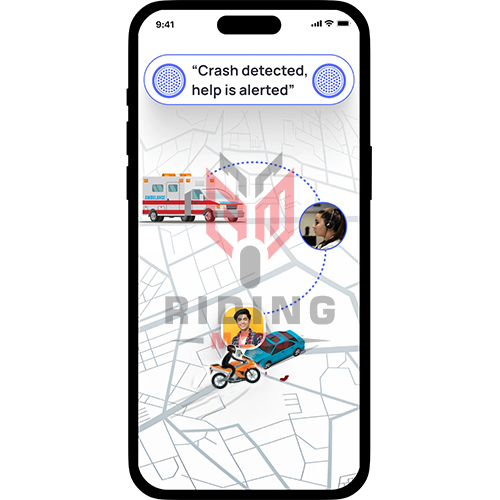
RidingMoto Features That Rebuild Confidence
| RidingMoto Feature | How it Helps in Overcoming Fear After a Riding Accident |
|---|---|
| Real-time Navigation | Keeps you from getting lost or stuck on some gnarly road you didn’t mean to take. |
| Trip Planning | Let’s you pick routes that avoid your triggers, like tight curves or crazy traffic. You call the shots. |
| Safety Alerts | Warns you about rain, construction, or traffic jams before they mess up your ride. |
| Rider Community | Hooks you up with other riders who can share tips, cheer you on, or ride along. |
🔗 Explore more in the RidingMoto App
Check It Out: Grab the RidingMoto App and play with its tools. It’s like having a GPS, a coach, and a support group in one.
How I Used RidingMoto
After my motorcycle crash, I was paranoid about hitting another slick spot. RidingMoto’s trip planner let me stick to dry, familiar roads, and the safety alerts gave me a heads-up about a construction zone one day so that I could avoid it. Knowing the app was watching out for me made me feel like I wasn’t riding solo.
Step 4: Get Your Head Right – Using CBT to Kick Fear’s Butt
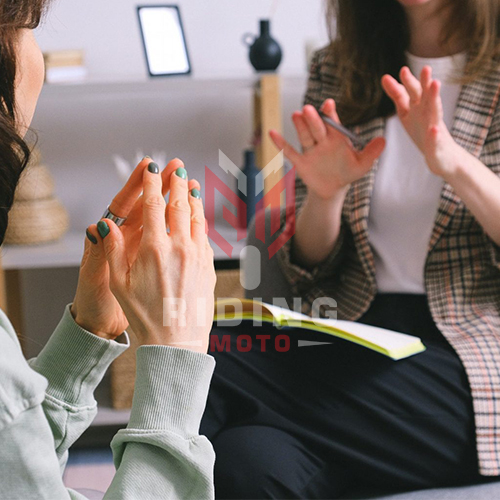
What’s CBT?
Cognitive Behavioral Therapy (CBT) is like a mental oil change. It helps you spot those nasty thoughts—like “I’m gonna crash again”—and swap them for something less doomsday, like “I’ve got this, and I’m riding smarter now.” It’s not about ignoring your fear but teaching your brain to chill out.
CBT Tricks to Try
You can start this independently; no therapist is required (though they’re super helpful). Here’s how:
- Write Down Your Fears: Grab a notebook or phone and jot down what freaks you out about riding. I realized I was terrified of intersections, so I started practicing them on quiet streets.
- Argue with Your Brain: When you think, “I’ll never ride like I used to,” ask, “Is that true? What’s the proof?” Then counter, “I’m taking it slow and getting better every day.”
- Face It Slowly: Try exposure therapy by tackling your fears bit by bit. Maybe sit on your bike without starting it, and then take a short ride. Baby steps.
- Talk Yourself Up: Before a ride, say, “I’m in control. I’m ready.” It feels goofy, but it works.
A Rider’s Comeback
My friend Maria wiped out when a dog ran into the road. She was scared of riding near animals after that. With CBT, she started by riding in areas with no dogs, telling herself, “I’m alert, and I can handle this.” She worked up to busier routes, and now she’s back to her old self, cruising like a champ.
Step 5: Stay Chill–Mindfulness Keeps You Grounded
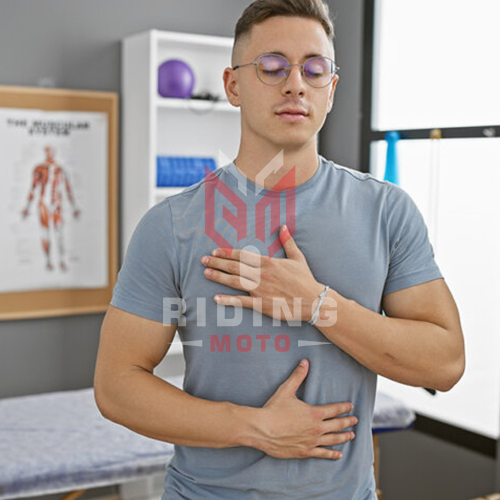
Fear does not exist only in the mind; it manifests physically through tense shoulders and shallow breathing. Your hands grab the bars as if they are hanging from a cliff. Mindfulness can keep you grounded and present, whether on the bike or merely thinking about it.
Easy Mindfulness Practices
- Box Breathing: Inhale for 4 counts, hold for 4 counts, exhale for 4 counts, hold for 4 counts. Use this just before getting on your bike or right after. You’re just trying to settle your nerves.
- Muscle Relaxation: Tense a muscle and let it go, starting at your toes. Consider this a reset for your body.
- Meditation Apps: Calm or Headspace have some great short guided sessions. Five minutes is all it takes.
- Yoga or Tai Chi: These are good for balance, too, so you’ll feel a little more connected to your bike.
What I Did to Help Myself: I started doing 10 minutes of yoga in the morning. Not that I am a yogi; it just helped me feel grounded. It was as if I had control over my body again, and that resonated with me on my rides.
Mindfulness on the Bike
When you’re riding, focus on the now—the hum of your engine, the feel of the wind, the way your bike leans into a turn. If your brain starts spinning out with “what ifs,” pull it back to the moment. It takes practice, but it’s a game-changer.
Step 6: Get Strong-Fitness for Confidence.
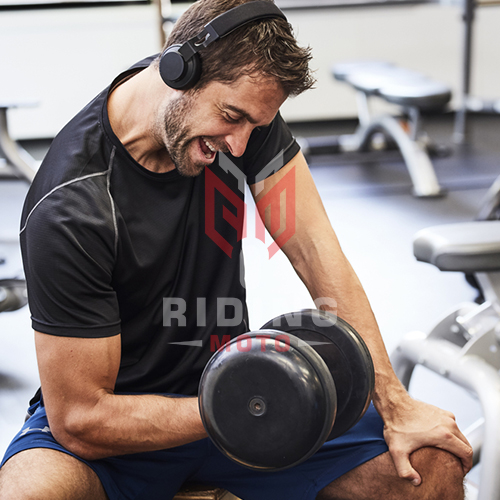
A person need not see themselves as a bodybuilder, but being in decent shape gives the vibe that you can handle anything. Being physically strong inspires you to take the road with confidence.
Why It Helps
- Control: Being more muscular with sharper reflexes will make you a better rider.
- Stamina: You will not feel tired midway through a ride.
- Boost: If you feel fit, you feel like the owner of everything, on or off the bike.
Workouts to Try
- Core Work: Plank or crunches to improve core strength and balance.
- Stretching: Yoga or simple stretching will keep your body flexible.
- Cardio: Walking, jogging, or swimming will enhance your stamina.
- Physio: In cases of injury, a physiotherapist will provide you with suitable exercises to strengthen the weak areas.
Tip: Try to visualize yourself working out like a pro while exercising. Visualize yourself smoothly climbing through a turn. This works simultaneously with your brain and your body.
My Fitness Journey
Post-crash, I started walking daily to clear my mind and gain stamina. It wasn’t fancy, but it made me feel like I was taking charge. When I got back on my bike, I felt ready to handle whatever came my way.
Step 7: Set Goals, Celebrate Wins – Every Ride Counts
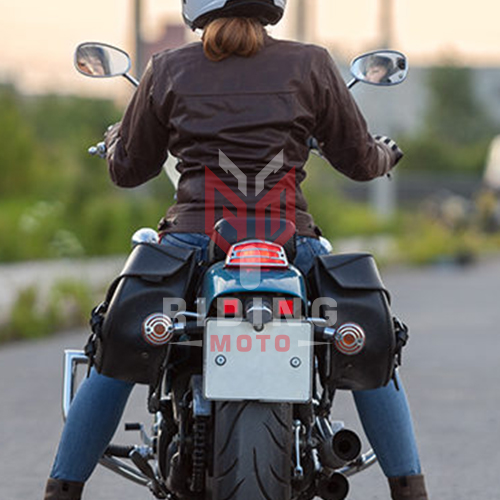
Recovery is a long road, but every step forward is a win. Setting goals keeps you moving, and celebrating them reminds you you’re killing it.
SMART Goals for Riding
- Specific: “I’ll ride around my block for 10 minutes.”
- Measurable: Use RidingMoto to track your rides—time, distance, and how you felt.
- Achievable: Start with something easy, like one ride a week.
- Relevant: Focus on goals that build your confidence, not just miles.
- Time-bound: Give yourself a deadline, like “I’ll ride 5 miles by next month.”
Wins to Celebrate
- First ride after the crash
- Riding through a busy street
- Joining a group ride
- Feeling chill on a ride
My First Win: After my first post motorcycle crash ride, I ate a milkshake at my favorite diner. It wasn’t about the shake – it was about saying, “Hell yeah, I did that.”
Step 8: Find Your Tribe – The Motorcycle Community
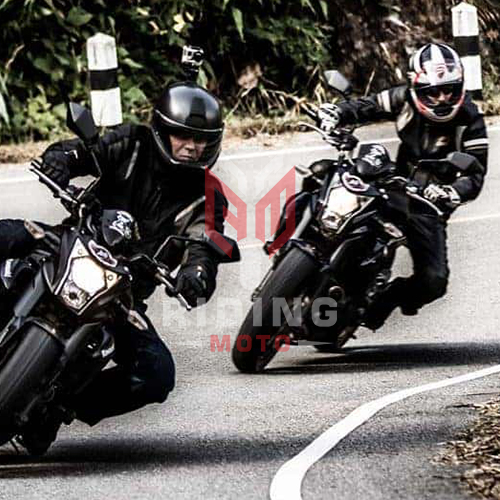
Riding is not just about the bike—it’s about the people—the late-night talks at bike meets, the group rides, the shared love for the open road. Getting back into the community can remind you why you started riding.
Why It Matters
- They Get You: Other riders know what it’s like to crash and come back.
- Support: They’ll share tips, listen to your fears, or ride with you.
- Belonging: Being part of a crew makes you feel at home.
How to Jump In
- Local Clubs: Find a riding group or meetup nearby. Look for chill rides that won’t stress you out.
- RidingMoto Community: The app’s forums let you connect with riders everywhere. Share your story or find a riding buddy.
- Events: Attend bike shows, charity rides, or coffee meetups. There is no pressure, just good vibes.
Conclusion
We all know that accidents are the worst thing that can happen to any rider. But honestly, sometimes, a motorcycle crash not only harms you physically but also mentally. I have seen many riders who just quit motorcycle rides or never feel the same during the rides.
We hope that after reading this blog, you’ll be able to overcome your fear and start hitting the road again. Don’t run, because Motorcycle riding is the one thing I love the most, and I think every rider loves it. You can use the RidingMoto app for better navigation and safety features and, most importantly, to connect with like-minded riders. Remember, you’re not just a rider—you’re a survivor, and every ride proves it.
FAQs
How long does it take to stop being scared after a motorcycle crash?
Honestly, it totally depends on you. Some riders recover and ride their motorcycle within weeks or months. I know a few riders who ride their bike even with broken bones. So nothing is taking you time to recover. But make sure you hit that road again.
Is it normal to freak out on short rides?
Yeah, sometimes you can freak out on short rides. But we suggest you don’t get anxious and celebrate these rides with all your heart.
What if I keep having flashbacks or nightmares?
The best way to avoid having flashbacks and nightmares of a road accident is to talk to a therapist. I think go on a ride with your most trusted partner. It is not necessary to ride; you can be a pillion rider.
Should I quit riding if I’m scared?
Naah! Never. Quitting riding is not an option. Take a short break and contact your crew; they will motivate you to ride the motorcycle again.
How do I know I’m ready to ride?
The best way to know that you’re ready to ride is that you’ll be physically fit and crave the rides. After the accident, you can go on short weekend rides; this will motivate you for longer rides.
Can RidingMoto help with anxiety?
Hell yeah. RidingMoto can help you with anxiety. It lets you connect with fellow riders and helps with navigation, alerts, and planning. All these things will surely help you with anxiety.
Should I tell my riding buddies about my crash?
Yes, you can tell your crew about your accident. There is nothing wrong with it. Even though there is a proverb: The one who walks falls sometimes.
Is it okay to talk to my riding buddies about my experience?
Absolutely! Sharing your feelings with trusted friends and fellow riders can be incredibly helpful in your recovery process.
What if I develop a phobia of riding?
A phobia requires professional intervention. A therapist can help you manage your phobia through specific techniques like exposure therapy.
How can I ensure my bike is safe before I ride again?
Have a qualified mechanic thoroughly inspect your motorcycle to ensure it’s in perfect working order after the accident. This will give you peace of mind and enhance your safety.
You can follow us on
Facebook | Twitter | Instagram | LinkedIn | Pinterest | YouTube
By: RidingMoto Rider